
Environmental Studies is the study of the relationship between human societies and the natural world, examining ecosystems, resources, climate, biodiversity, water, land, settlements, and the ways human activity affects ecological systems. It seeks to understand environmental challenges not merely as technical problems, but as questions involving social behaviour, institutions, economy, culture, and patterns of human life. An Indic approach further explores Prakriti, Panchamahabhuta, Rta, Dharma, Vanaspati, Jala, Bhumi, and Lokasangraha, asking how Bharatiya traditions understood ecological interdependence, restraint, stewardship, sacred landscapes, and the responsibilities of human beings towards the larger living world.
Environmental Studies
Interrogating Environmental Studies
Decolonizing Environmental Studies
Articles examining the colonial assumptions, categories, theories, models, and curricula through which Environmental Studies is conventionally taught. This section reconsiders nature, ecology, resources, sustainability, and human–environment relationships through Bharat’s ecological traditions and historical experience.
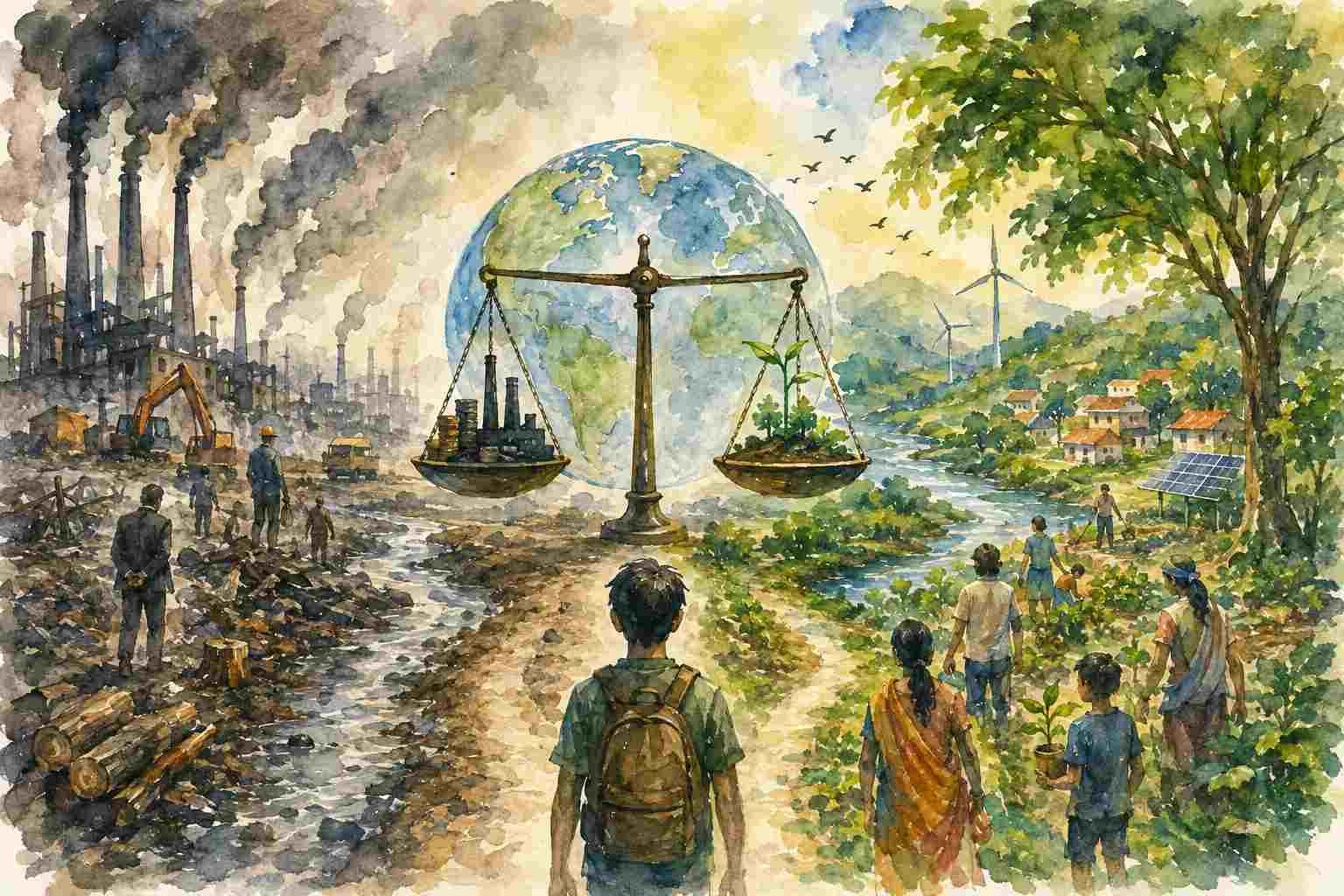
What Is Sustainable Development?
What Is Sustainable Development?
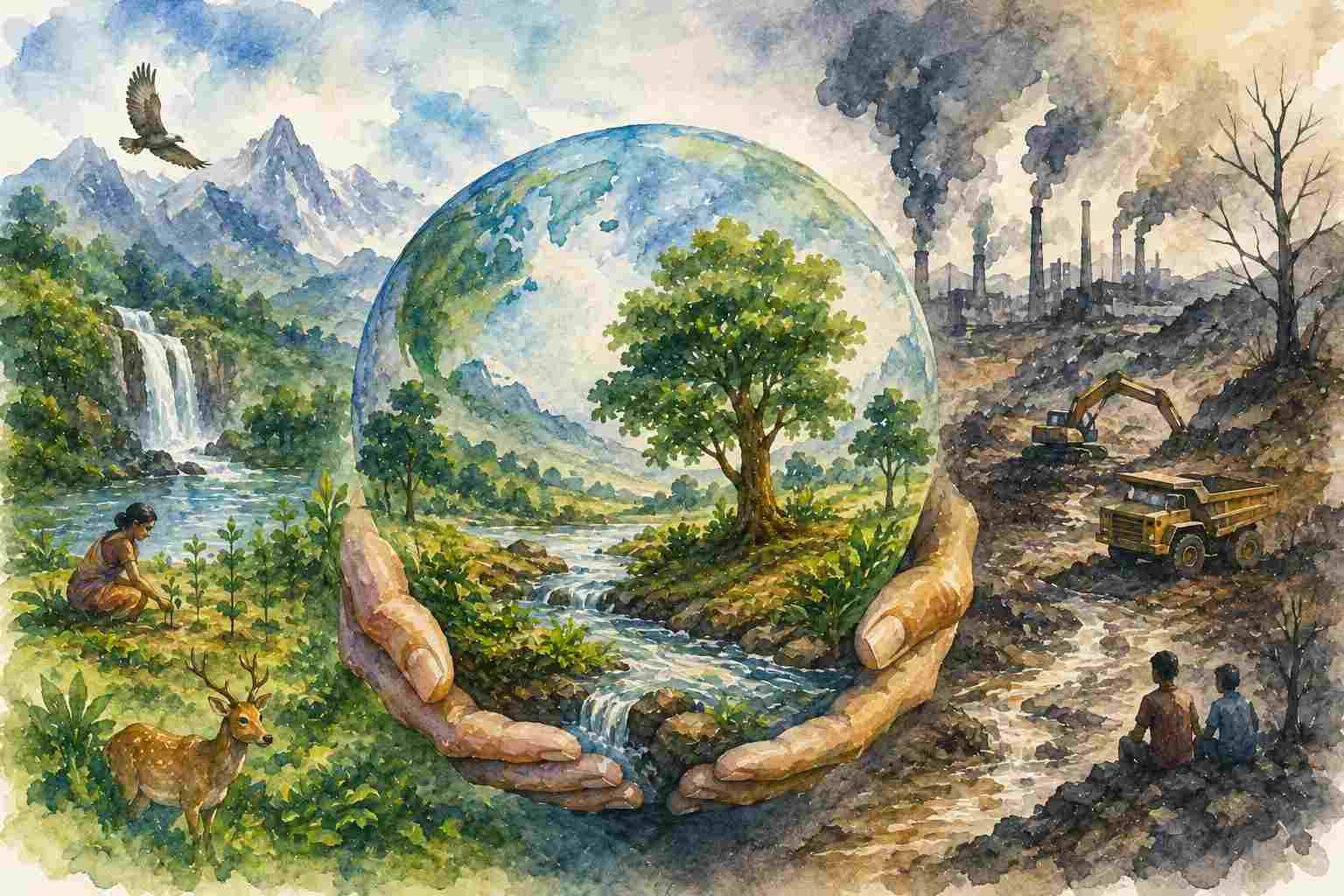
What Is a Resource?
What Is a Resource?
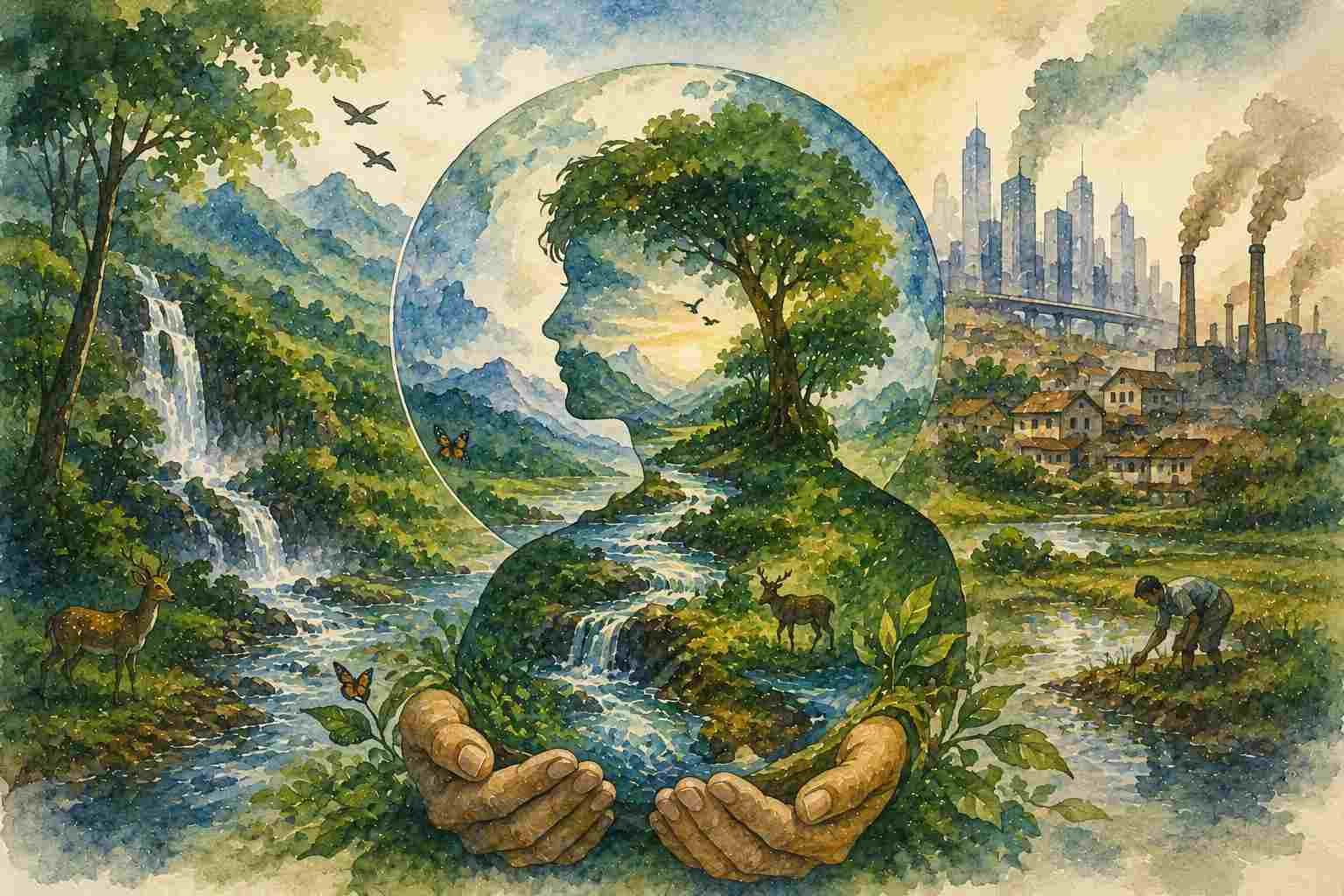
What Is Nature?
What Is Nature?
Paryāvaraṇa Dṛṣṭi
A space for exploring ecological life through Indic understandings of Prakṛti, Bhūmi, Ṛta, Dharma, and the interdependence of living systems. It moves beyond syllabus-bound Environmental Studies to develop contemporary approaches to ecology, conservation, sustainability, and human responsibility towards the natural world.
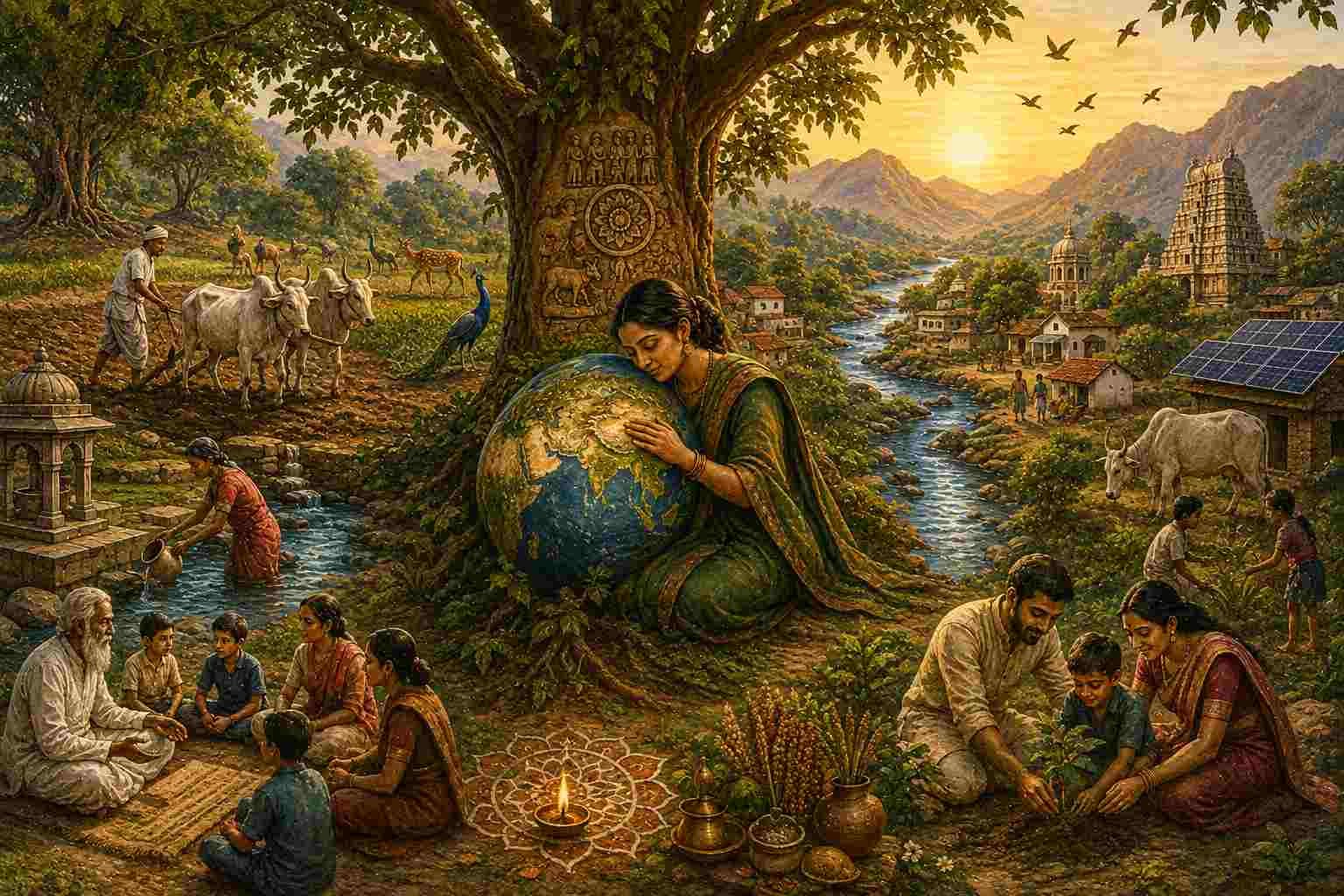
Bhoomi: The Ethics of Living on the Earth
Bhoomi: The Ethics of Living on the Earth
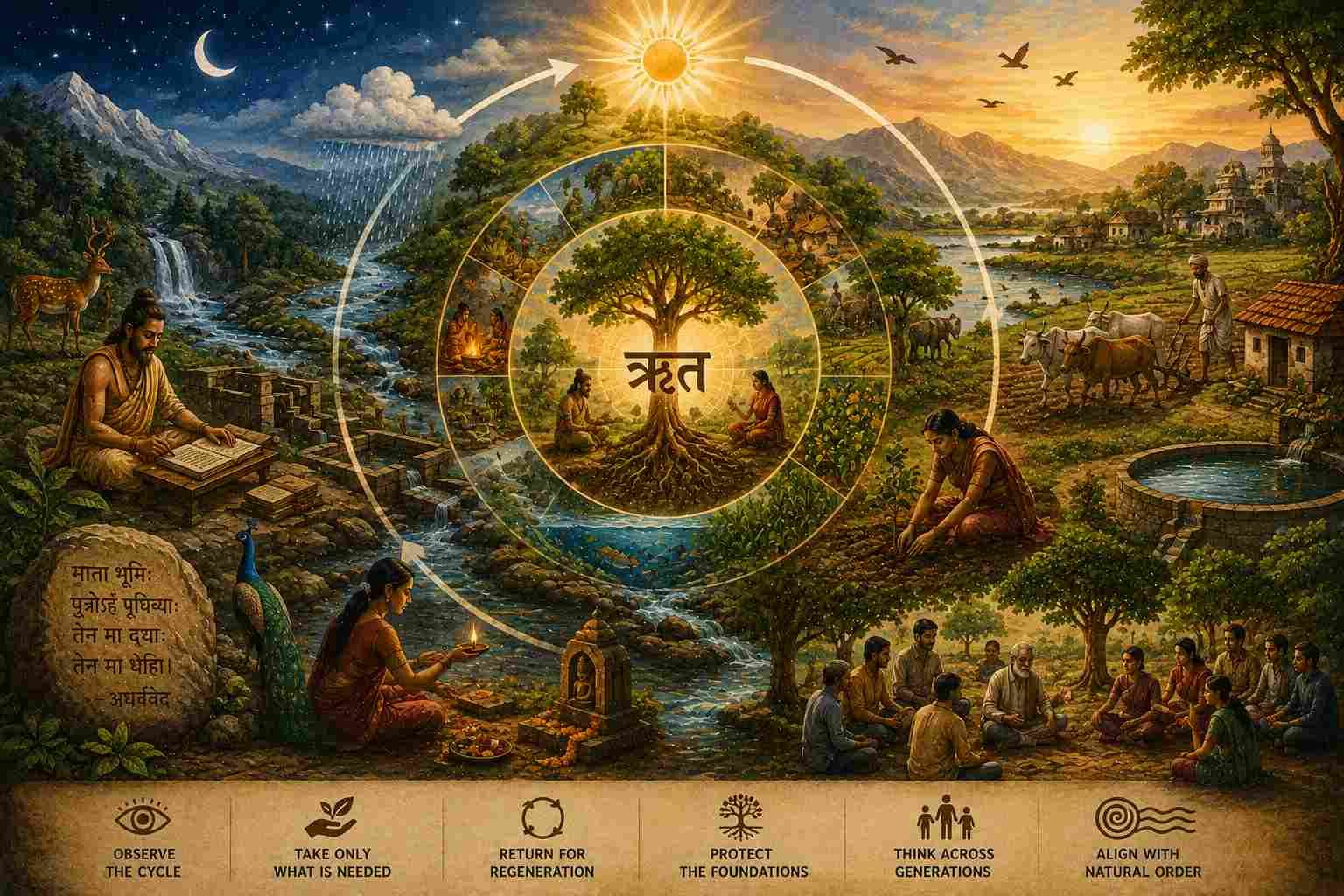
Rta: The Order That Sustains Life
Rta: The Order That Sustains Life

Prakriti: Rethinking Our Relationship with Nature
