
Political Science is the study of power, governance, political institutions, authority, statecraft, citizenship, law, political behaviour, and the relationships through which collective life is governed. It examines how societies organise authority, resolve conflicts, distribute responsibilities, establish institutions, and pursue collective purposes across different historical contexts. An Indic approach to Political Science further explores concepts such as Rajya, Dharma, Dandaniti, Sabha, Samiti, Janapada, Lokasangraha, and Rajadharma, asking how Bharatiya traditions understood governance, political responsibility, sovereignty, justice, and the relationship between the ruler, society, and the larger civilizational order.
Political Science
Interrogating Political Science
Decolonizing Political Science
Articles examining the colonial assumptions, categories, theories, and curricula through which Political Science is conventionally taught. This section reconsiders ideas of state, sovereignty, governance, power, citizenship, and political order in relation to Bharat’s own intellectual and political traditions.
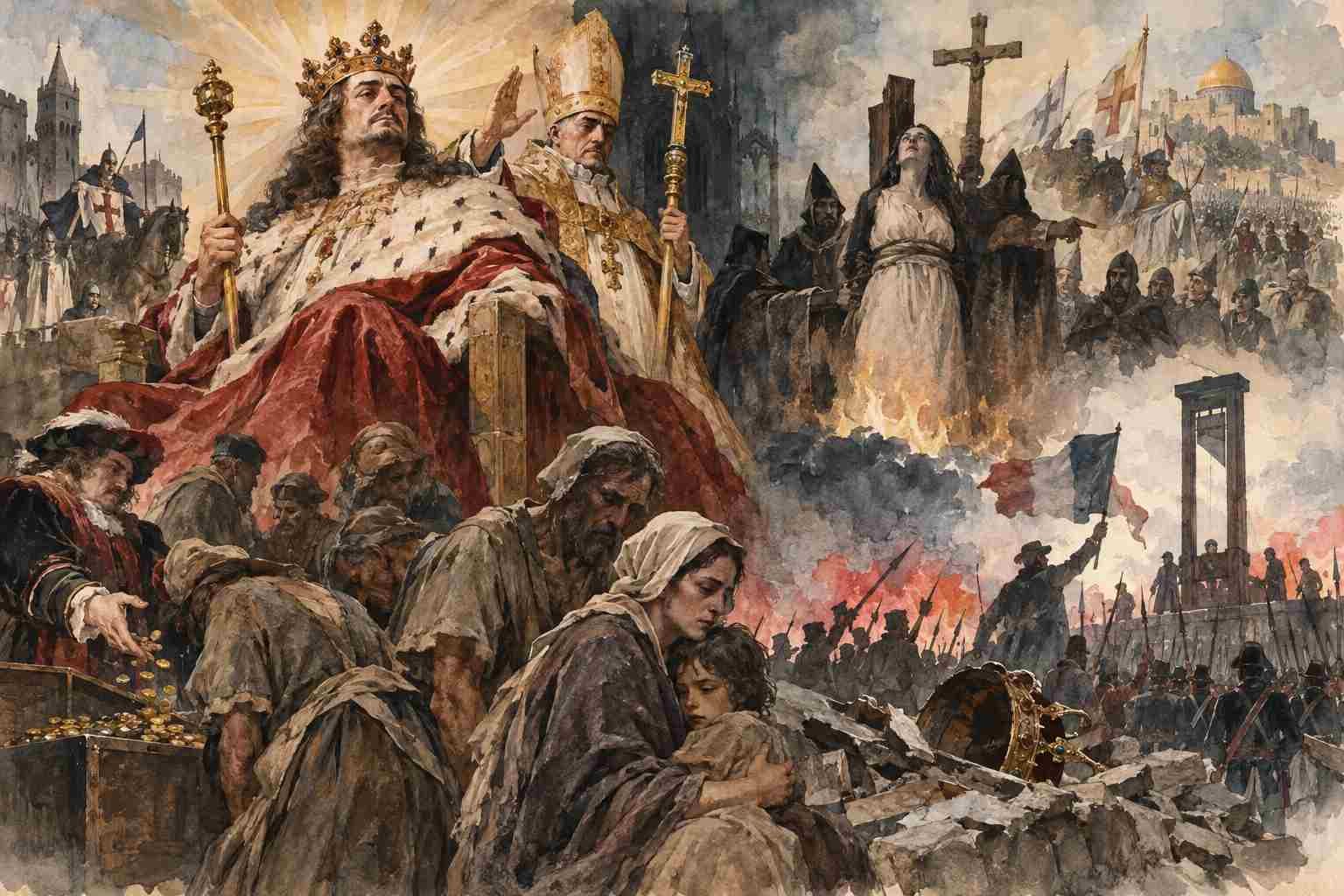
When the King Could Do No Wrong!
When the King Could Do No Wrong!
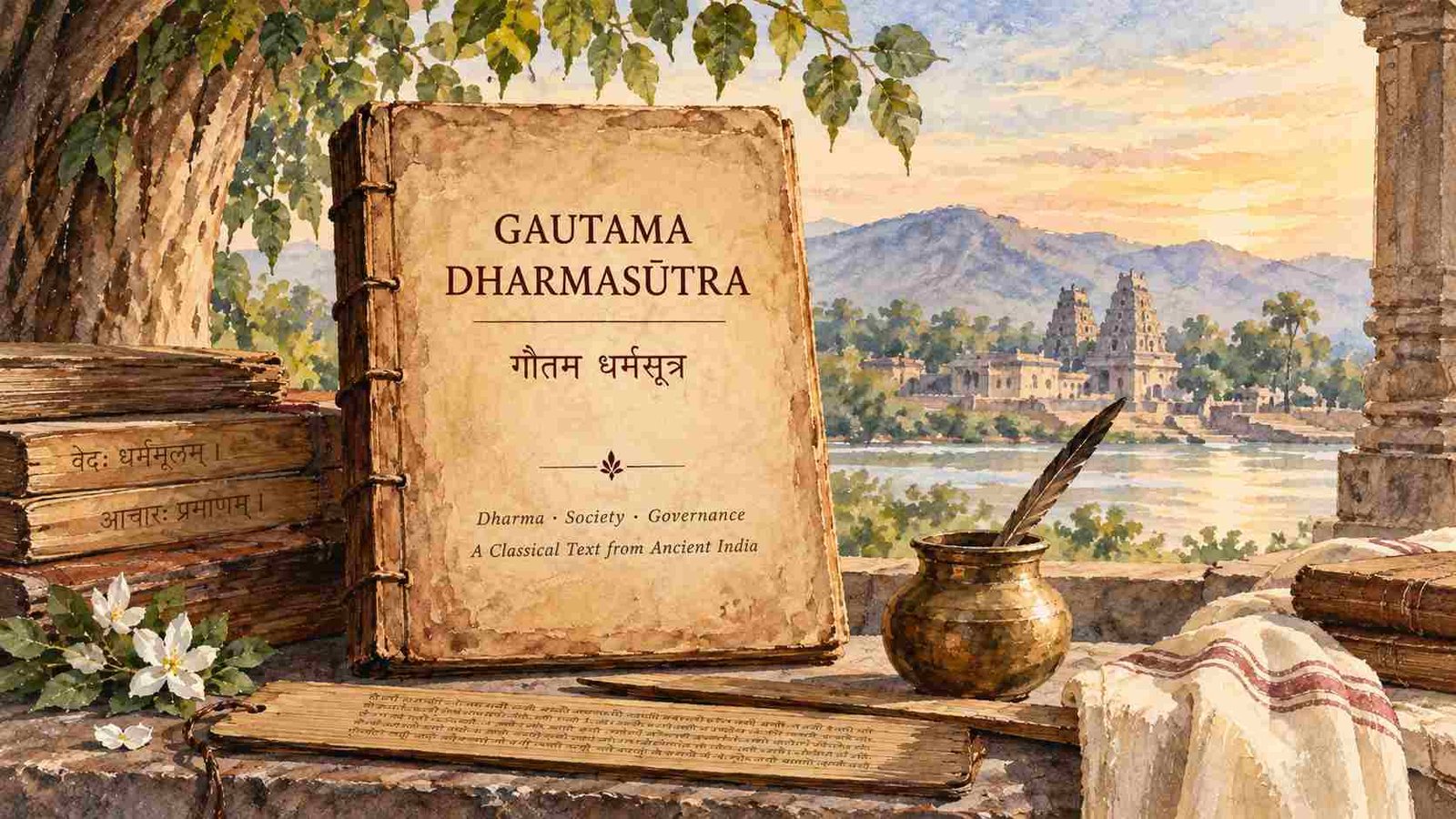
Gautama Dharmasūtra
Gautama Dharmasūtra
Nīlakaṇṭhī
Nīlakaṇṭhī
Rājanītika Dṛṣṭi
A space for exploring politics through Indic understandings of Rājadharma, Daṇḍanīti, Nīti, Svadharma, governance, statecraft, and political order. It moves beyond syllabus-bound Political Science to develop contemporary questions and frameworks rooted in Bharat’s political thought and historical experience.
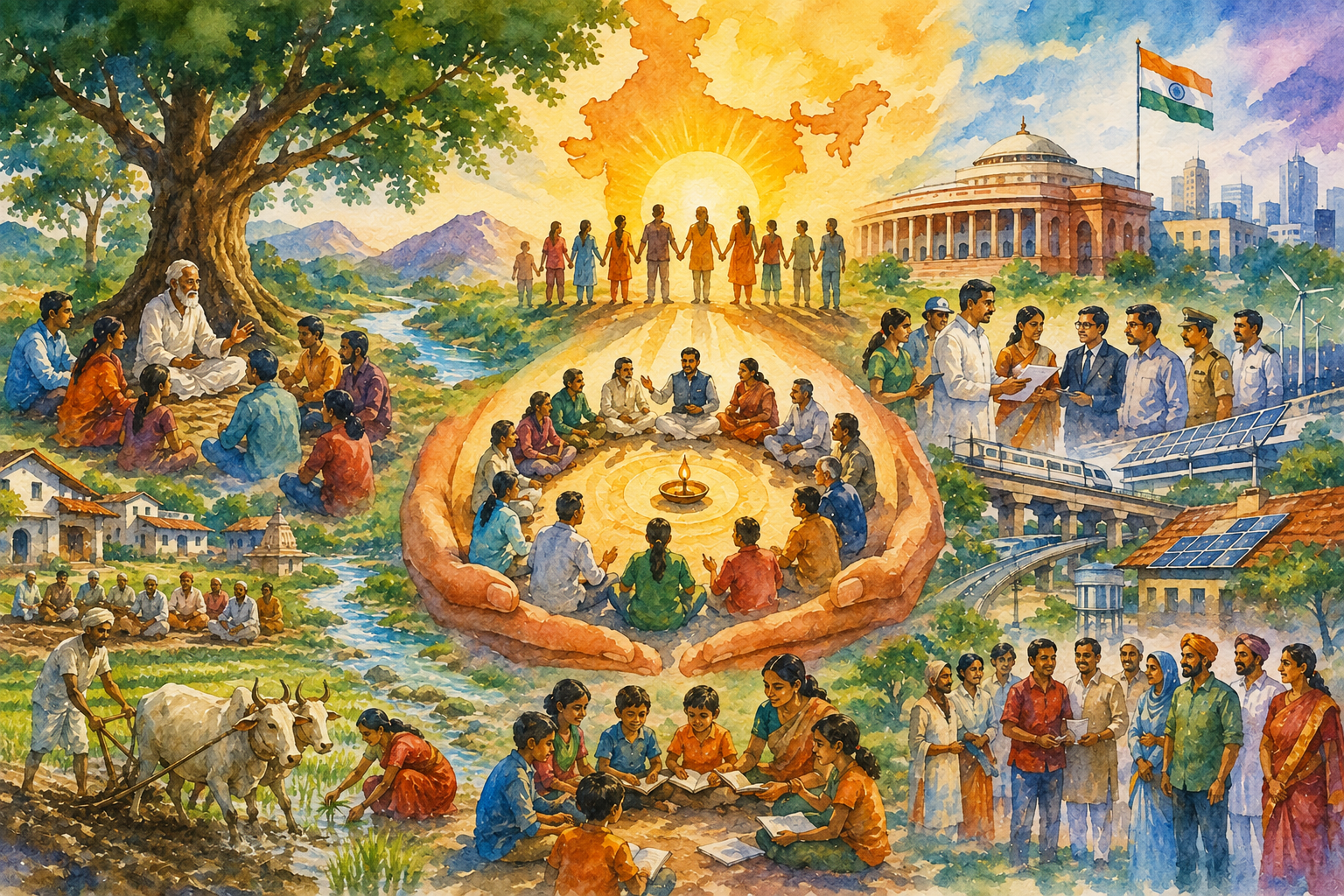
Lokasangraha: What Is Good Governance?
Lokasangraha: What Is Good Governance?
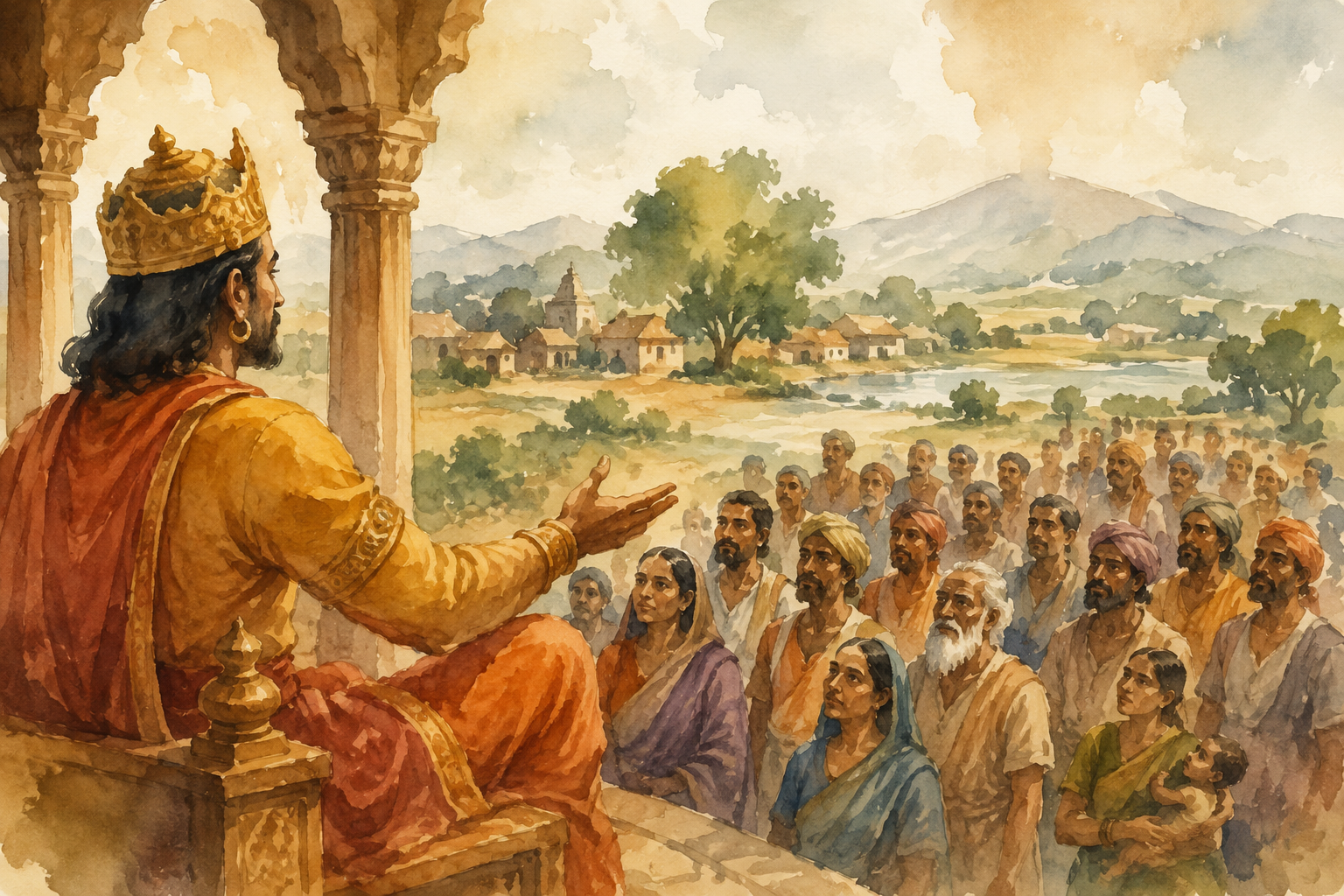
Rajadharma: What Should a Ruler Owe the People?
Rajadharma: What Should a Ruler Owe the People?
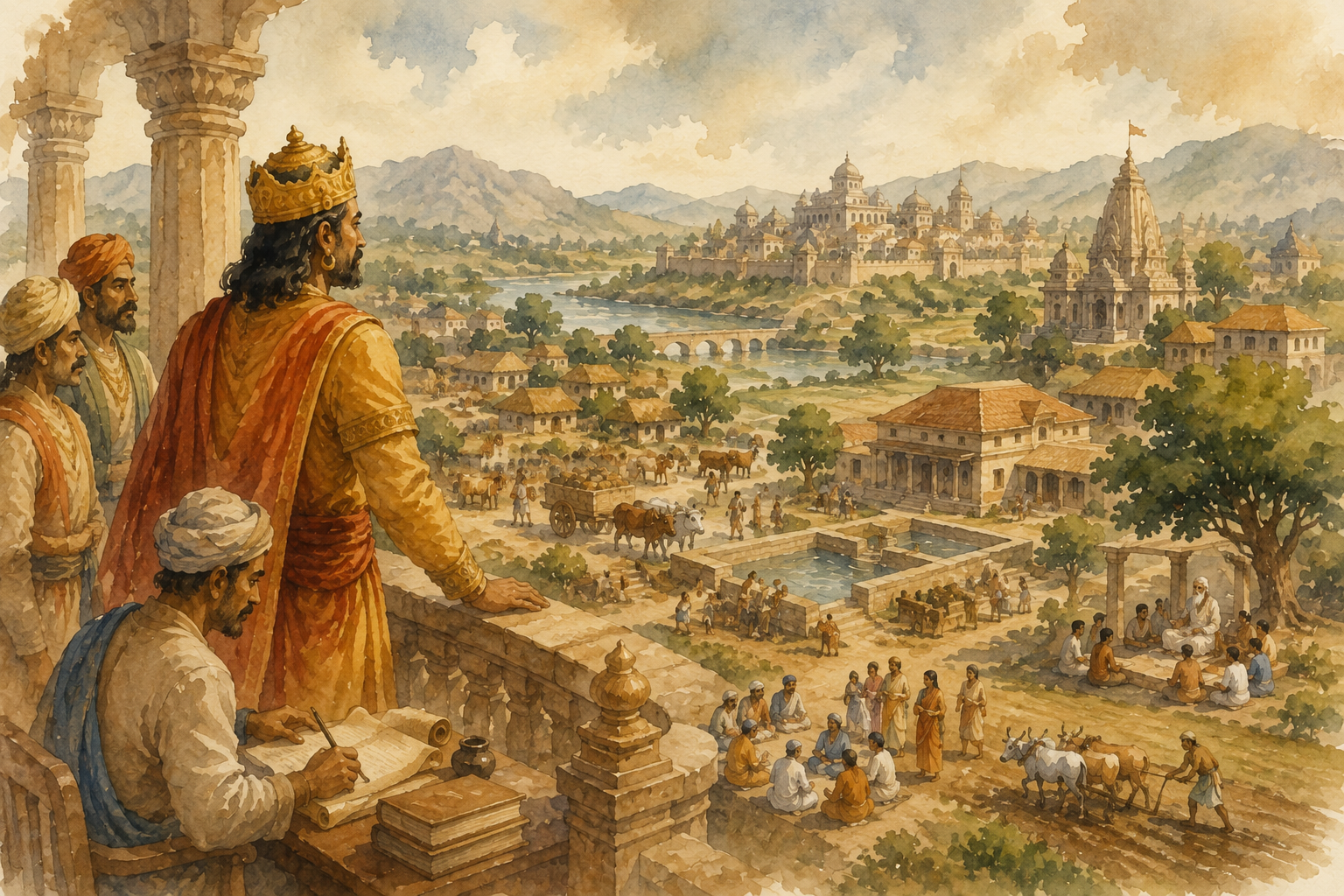
Rajya: What Is the Purpose of Political Order?
