Pinda to Brahmanda: Through Chandogya Upanishad
Beyond the individual: Recovering a Sanatana Framework Modern knowledge is frequently organised through separate disciplines…
Beyond the individual: Recovering a Sanatana Framework Modern knowledge is frequently organised through separate disciplines…
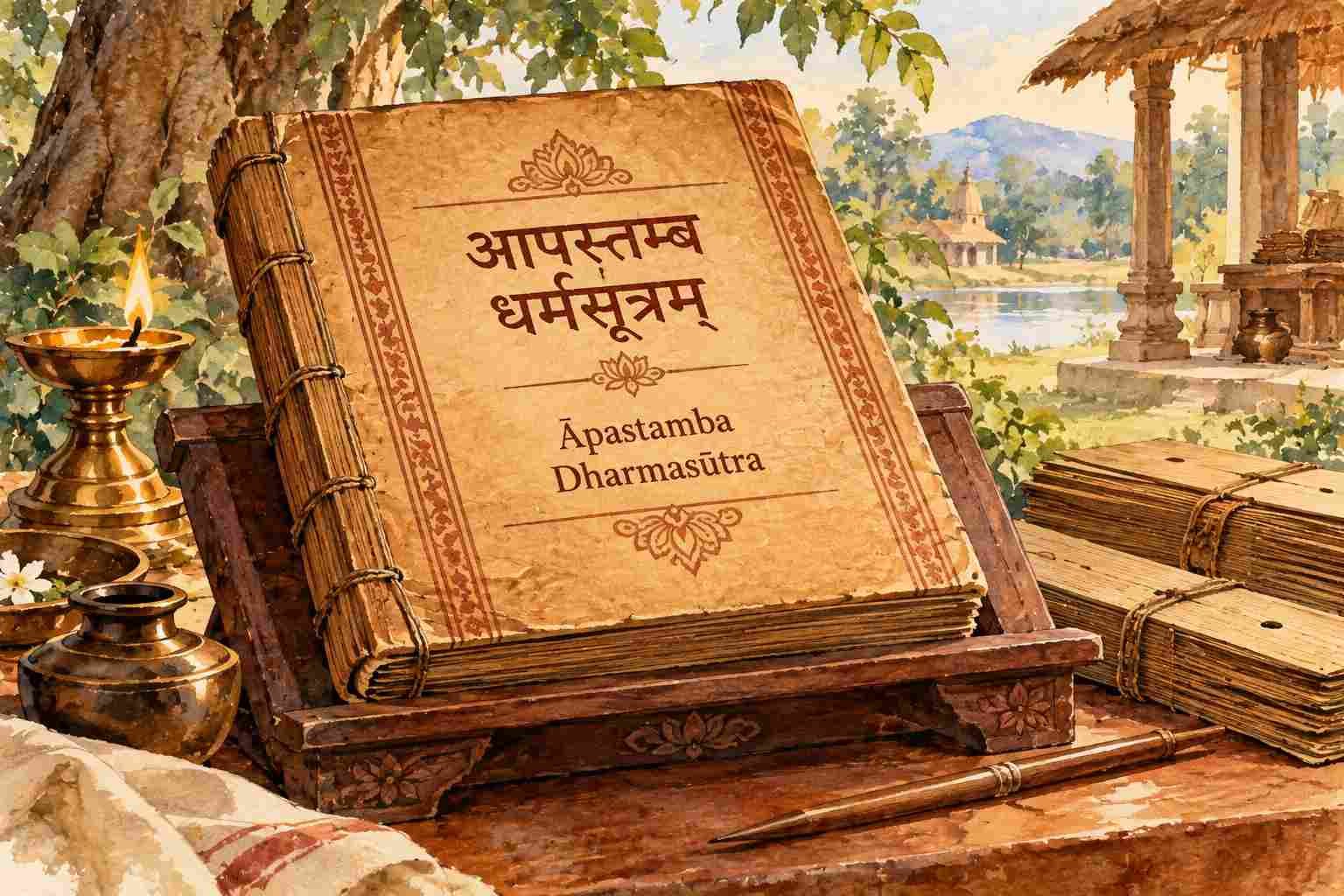
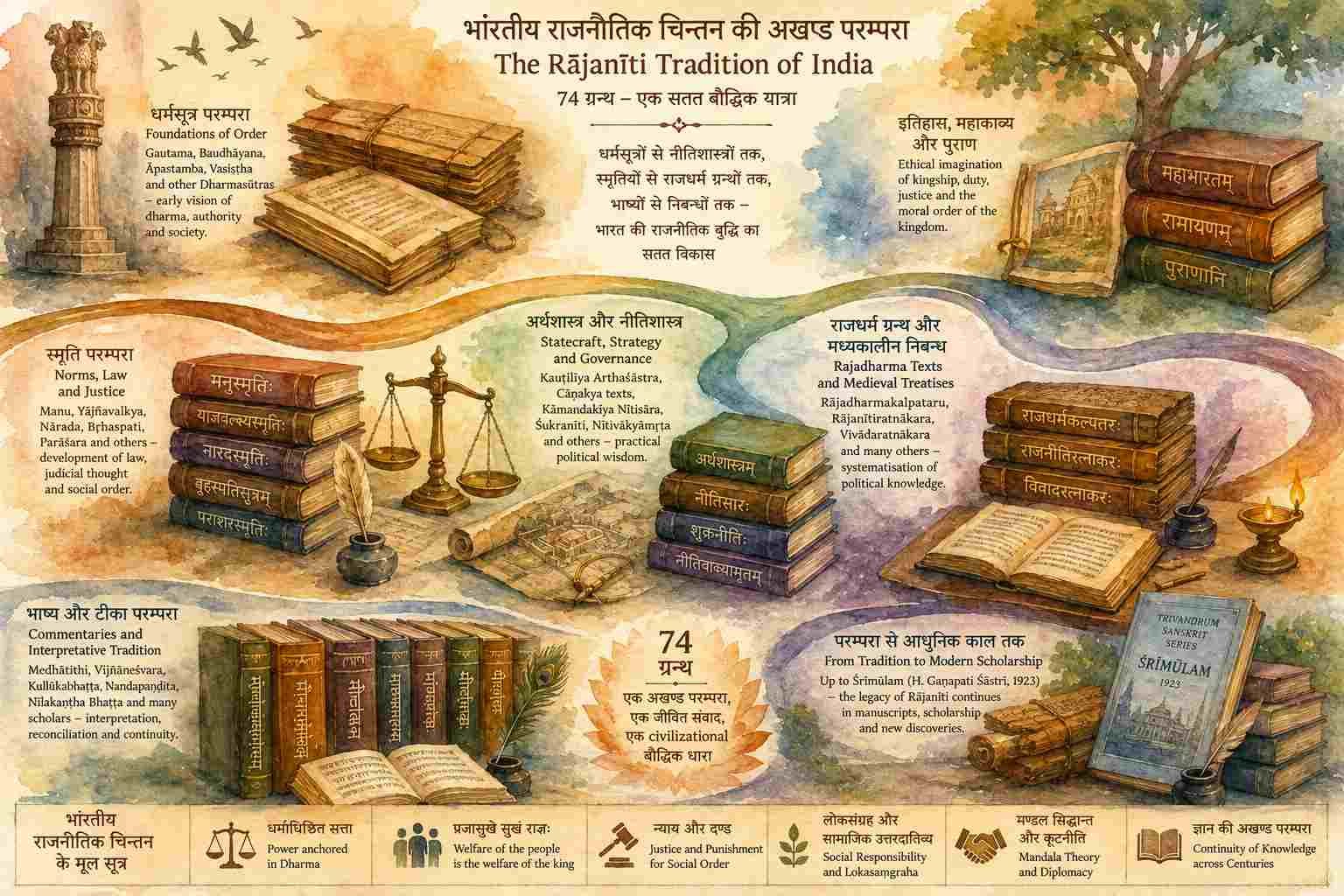
Āpastamba Dharmasūtra: Reading Dharma as a Public Order When we move from the Gautama Dharmasūtra…
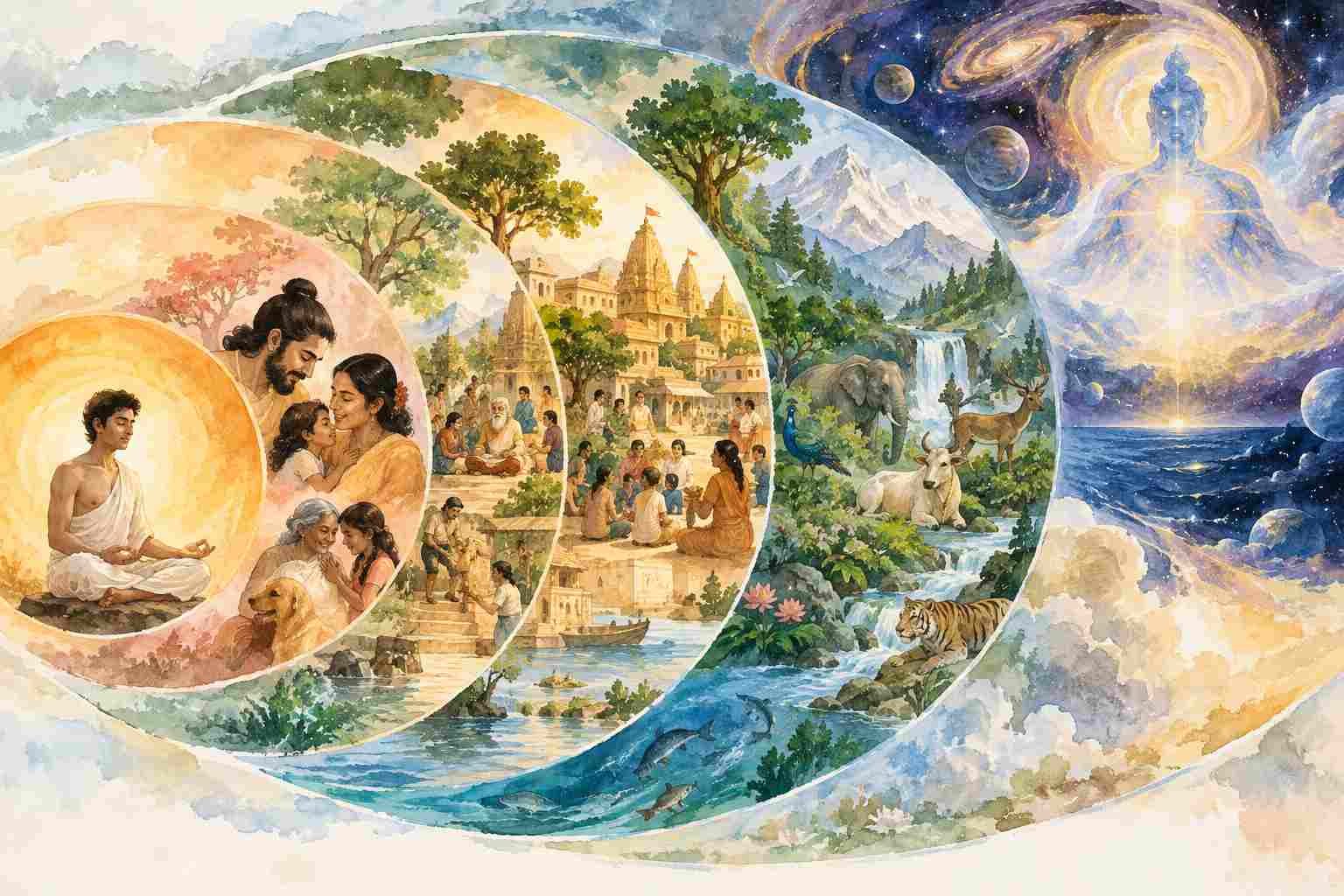
Indic Frameworks · Civilizational Studies From Piṇḍa to Brahmāṇḍa: Where Does the Individual Stand in…
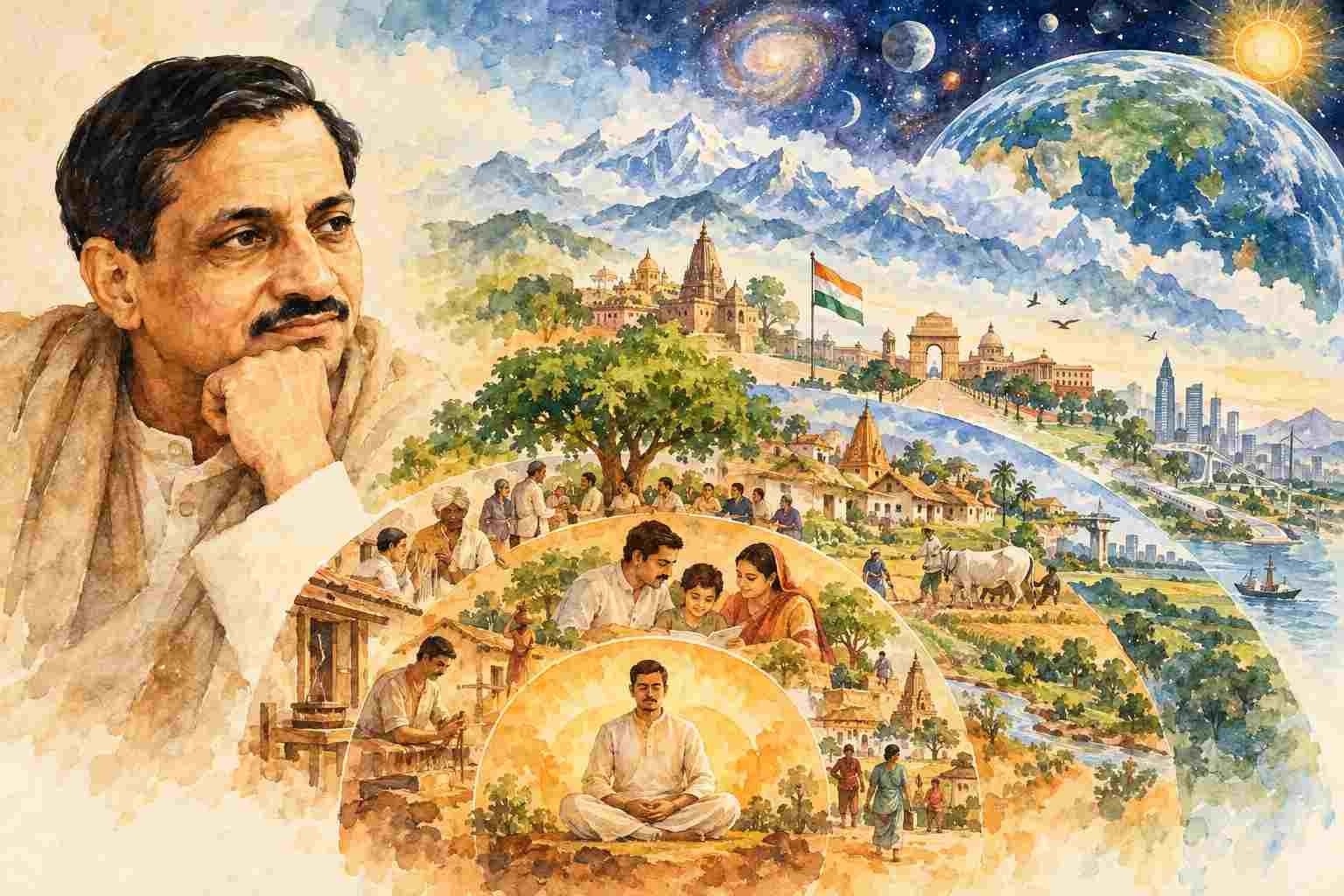
Article under the Sanatana Model Read the original speech – Here There is a haunting…
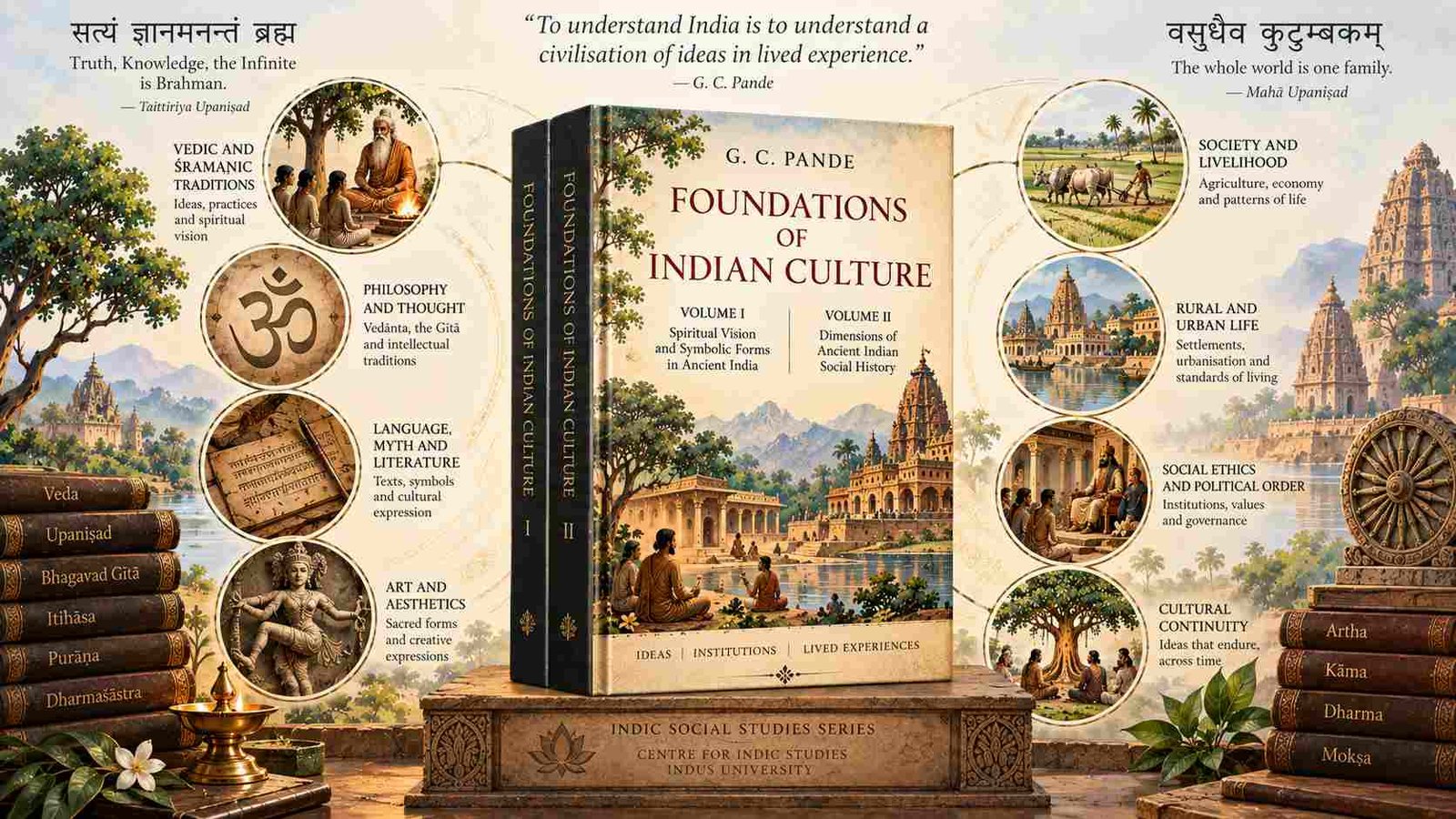
An Introduction to “Foundations of Indian Culture” | Indic Social Studies Series (Yet to be…
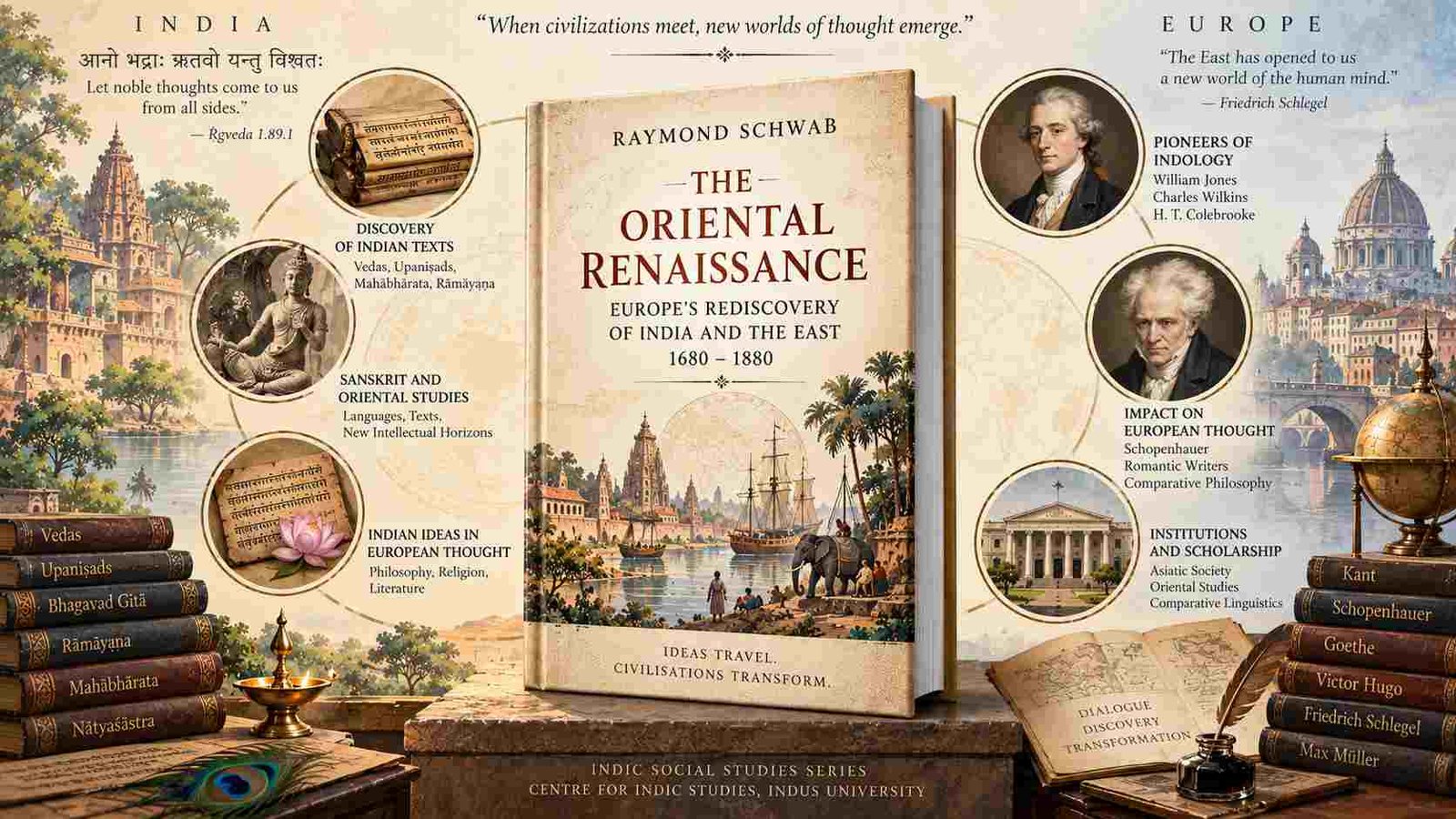
An Introduction to “The Oriental Renaissance” | Indic Social Studies Series (Yet to be Published)…
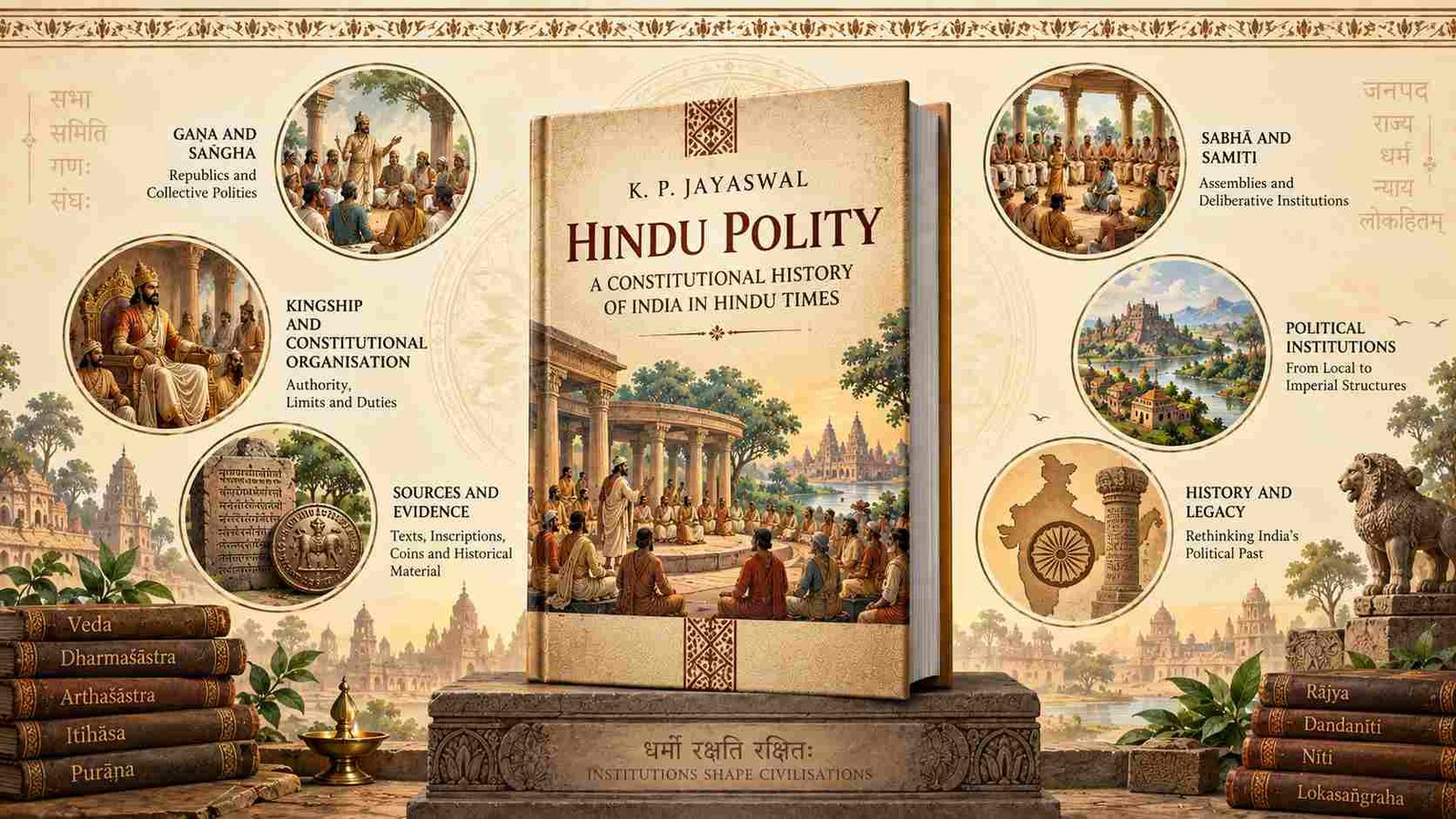
An Introduction to “Hindu Polity” | Indic Social Studies Series (Yet to be Published) Series:…
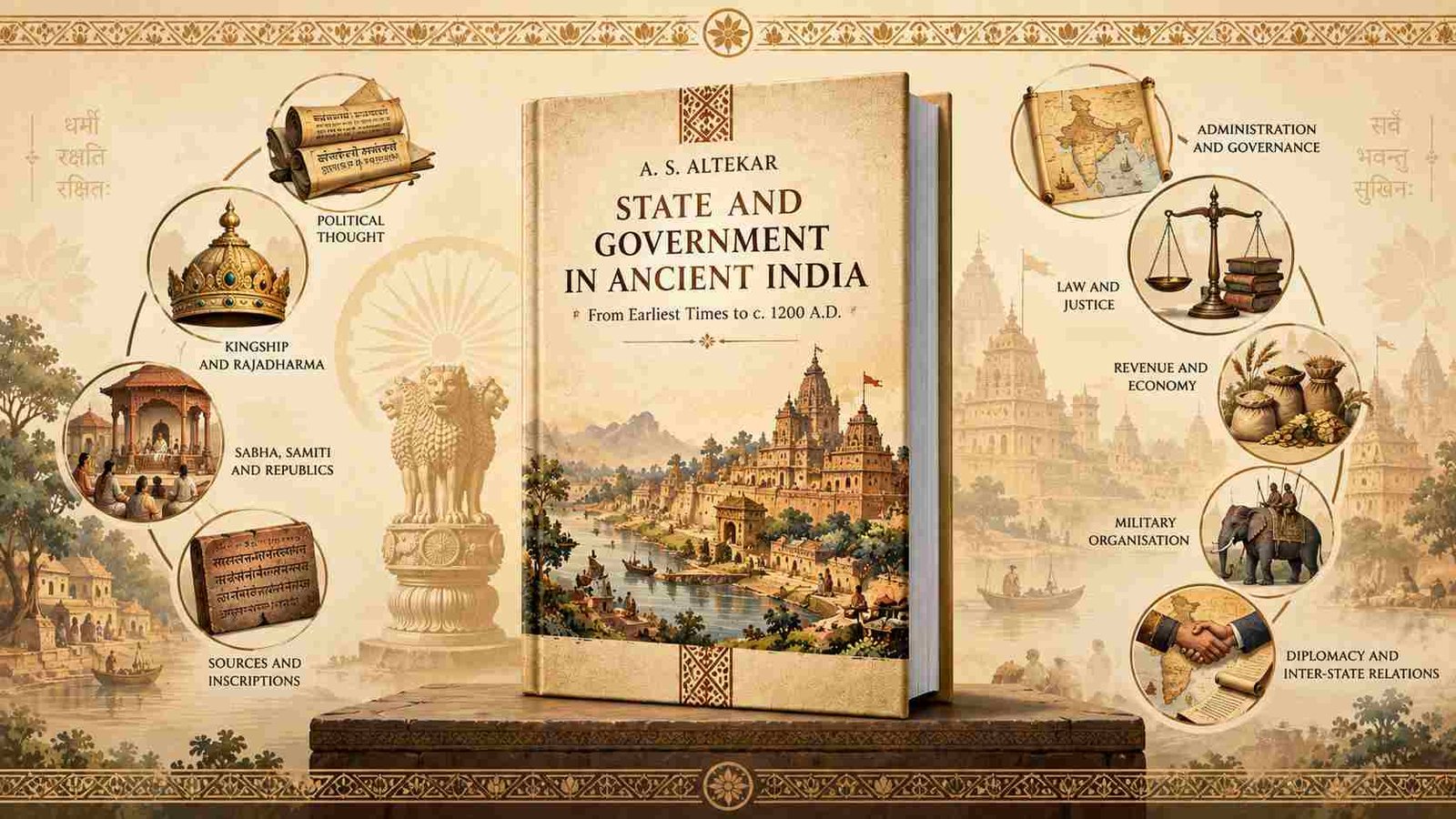
An Introduction to “State and Government in Ancient India” | Indic Social Studies Series (Yet…
An Introduction to “Retaining Balance: The Eternal Way” | Indic Social Studies Series (Yet to…
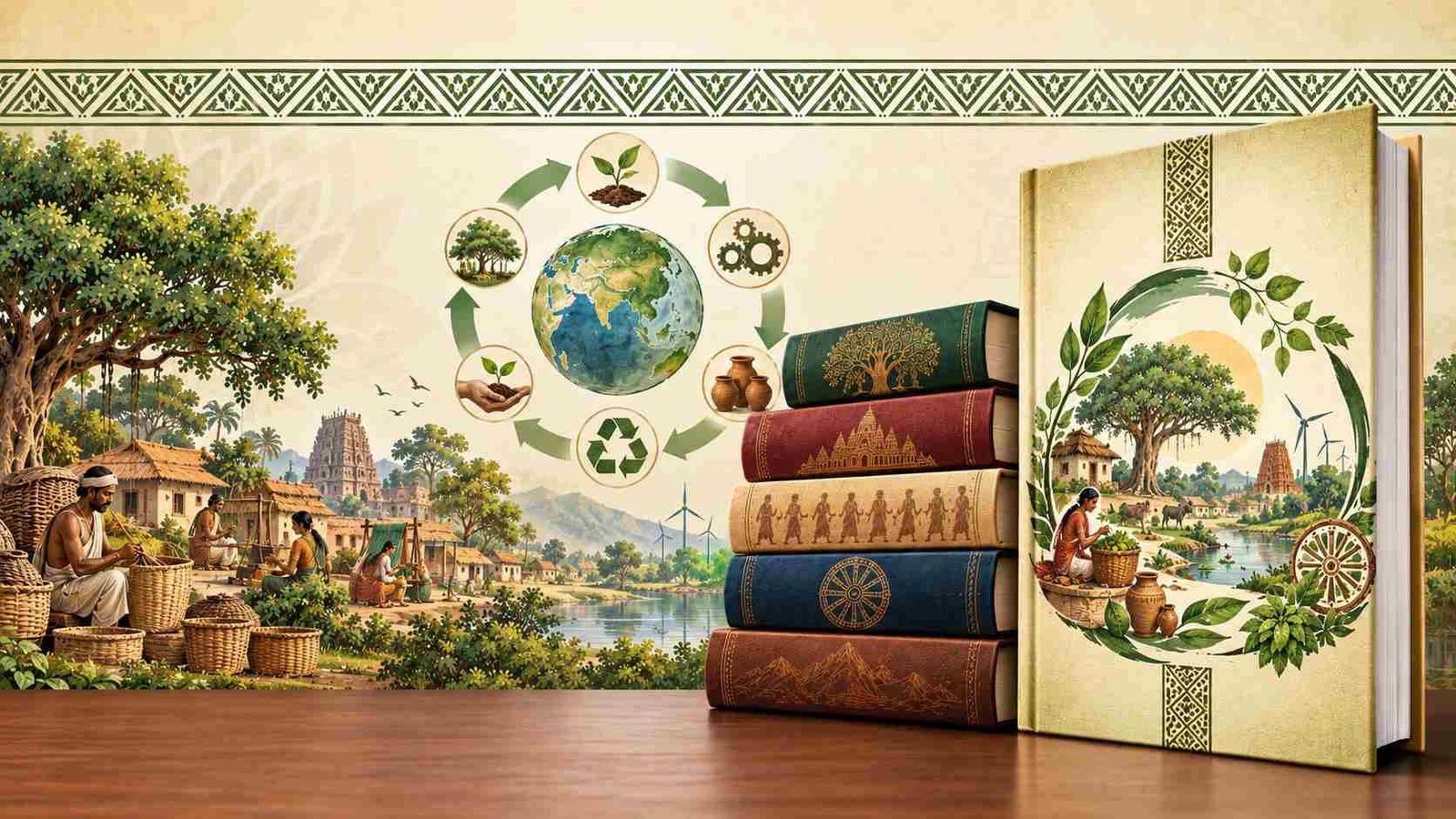
An Introduction to “Circular Economy” | Indic Social Studies Series (Yet to be Published) Series:…
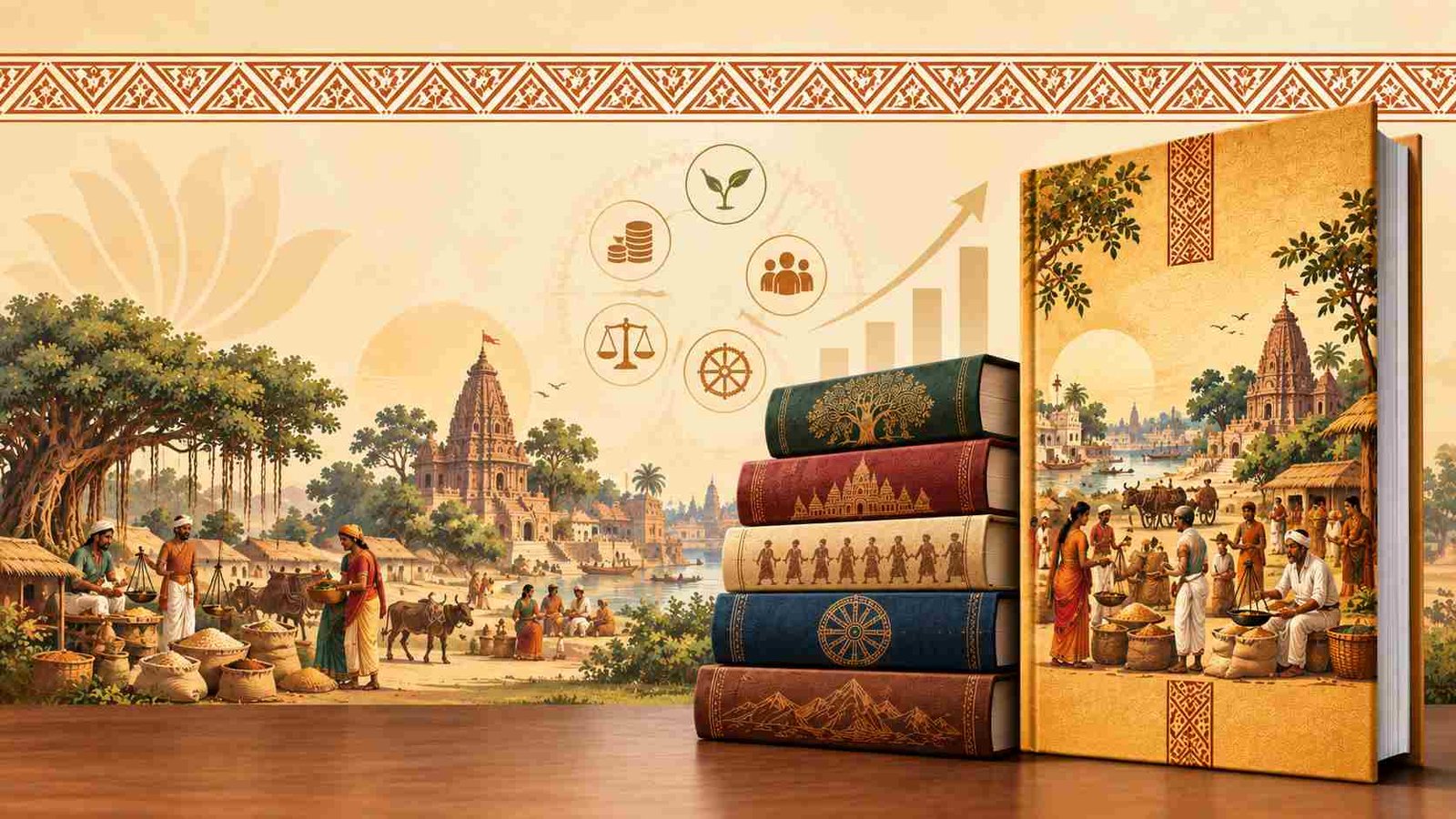
An Introduction to “Hindu Economics” | Indic Social Studies Series (Yet to be Published) Series:…
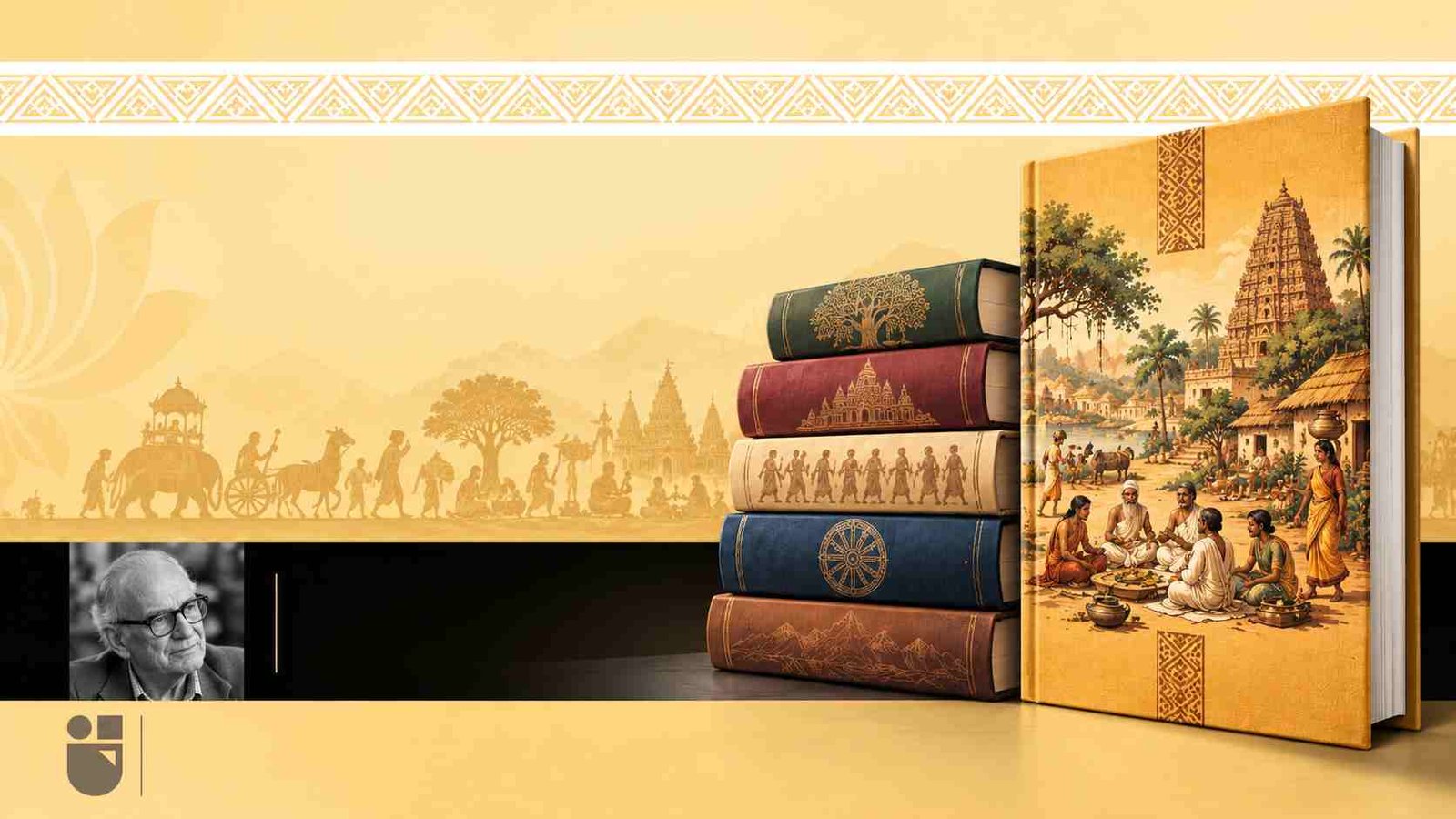
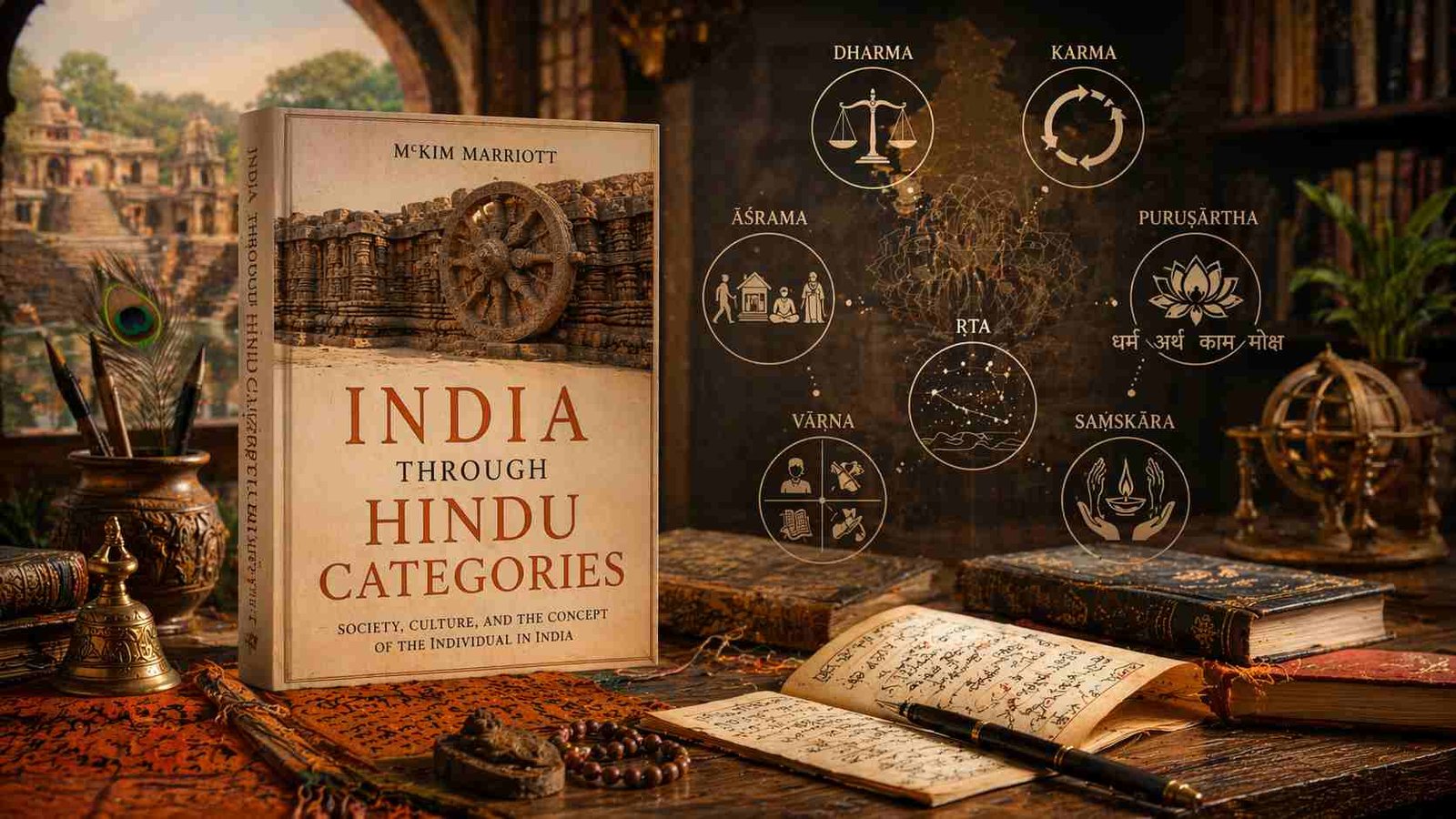
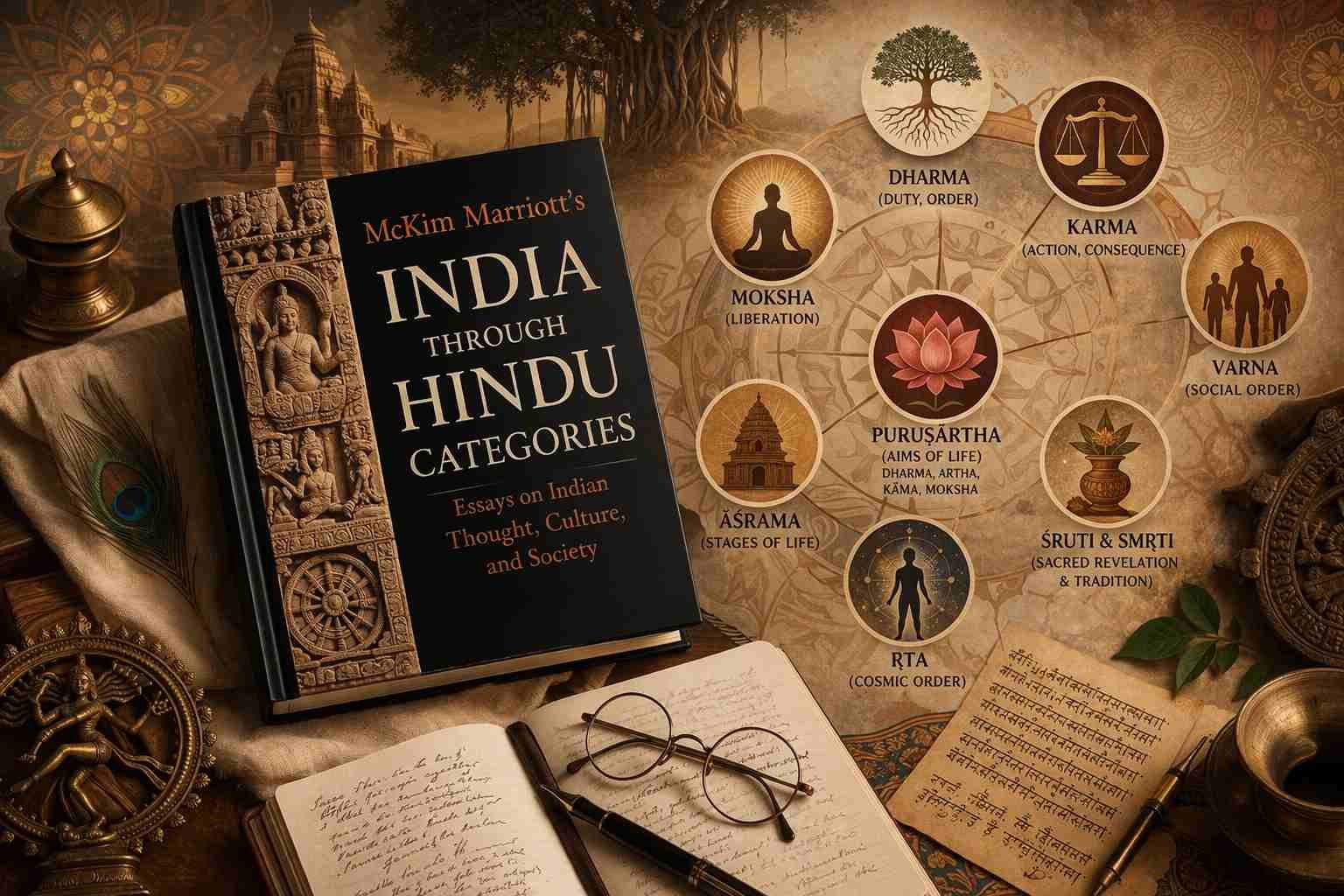
An Introduction to “India Through Hindu Categories” | Indic Social Studies Series (Yet to be…
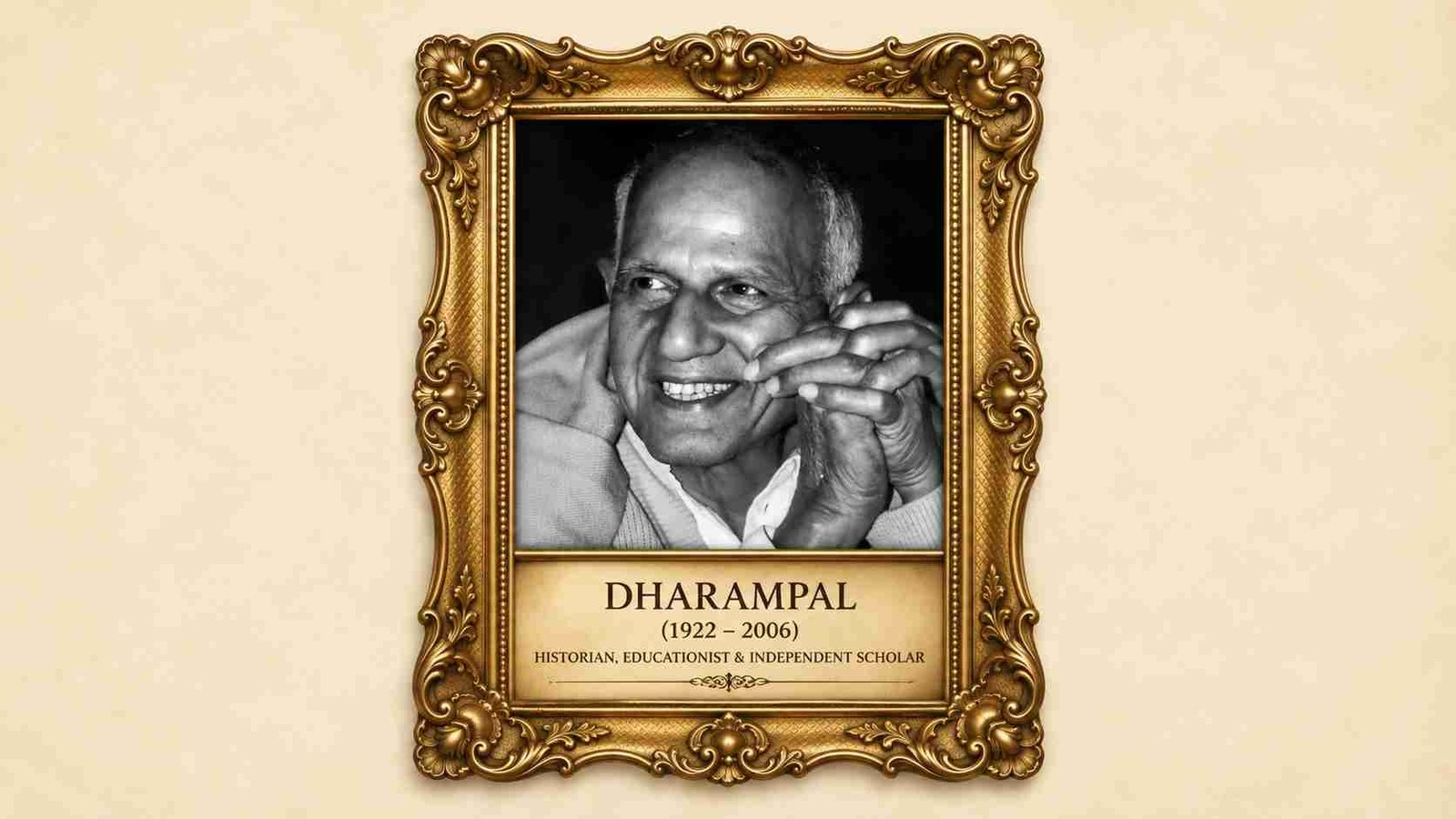
There are historians who write history from the sources that already dominate the archive, and…
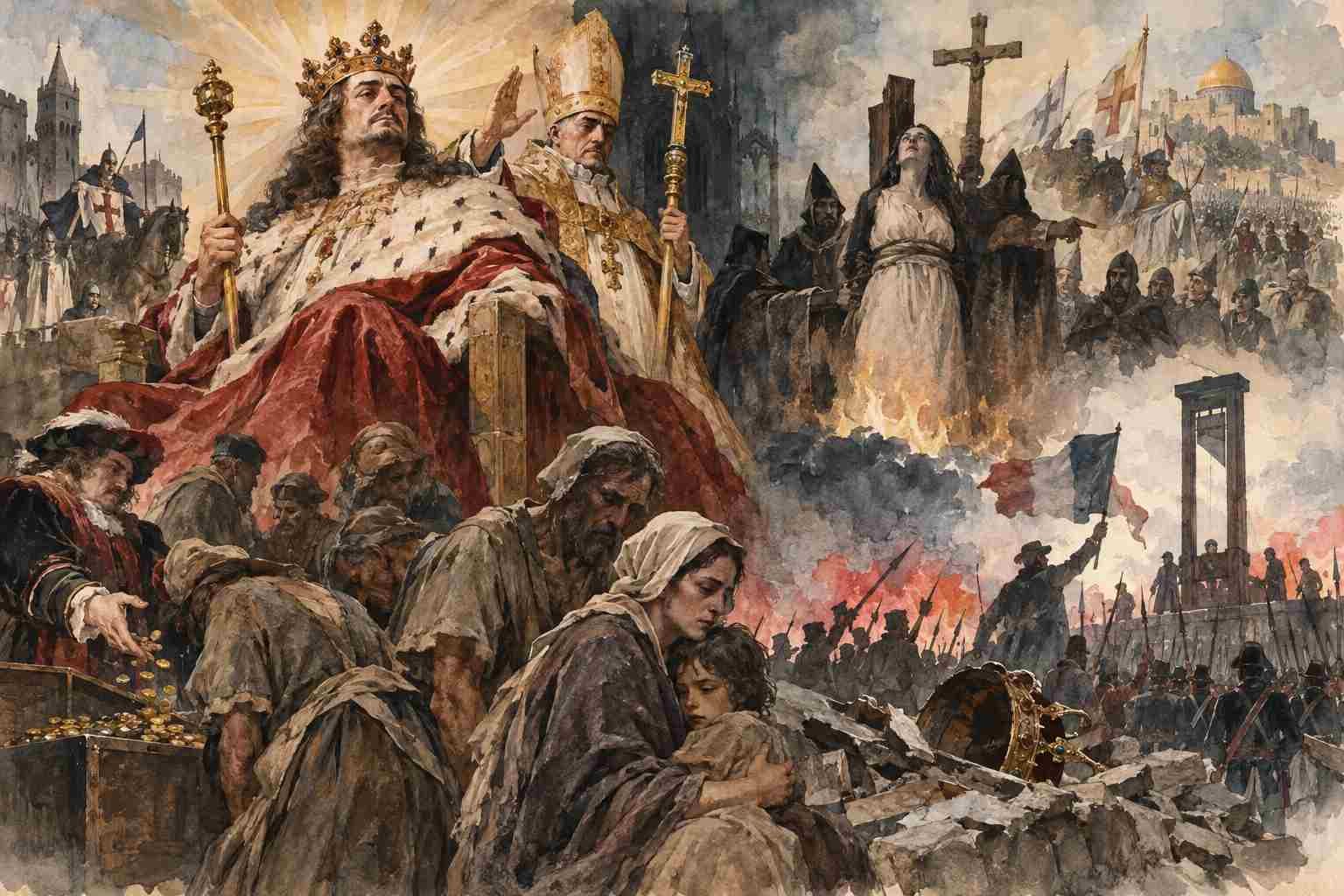
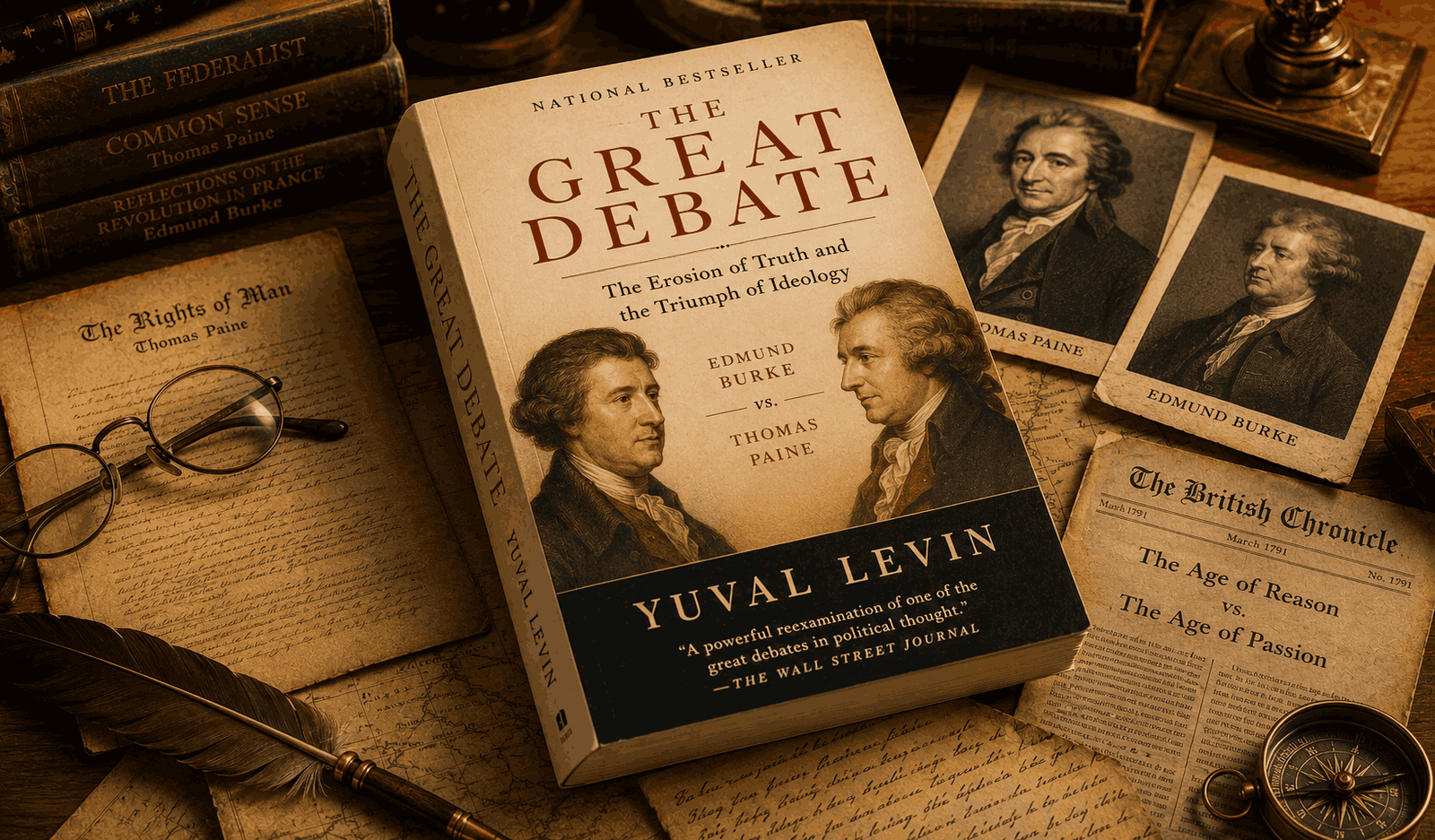
Rethinking the Western History of Political Power There is something about the way we teach…
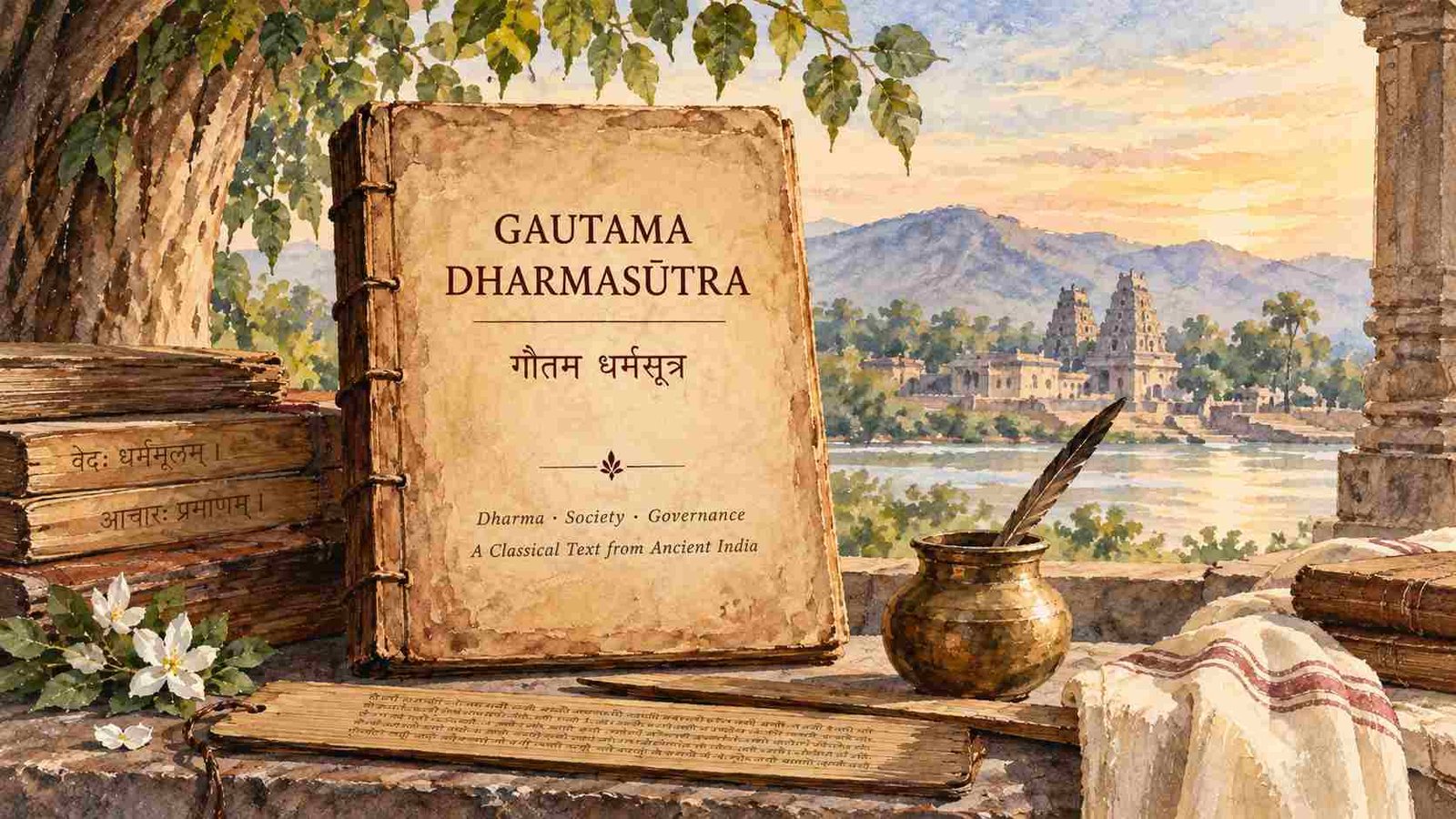
When the King Himself Stands Within Dharma There is something slightly deceptive about the name…
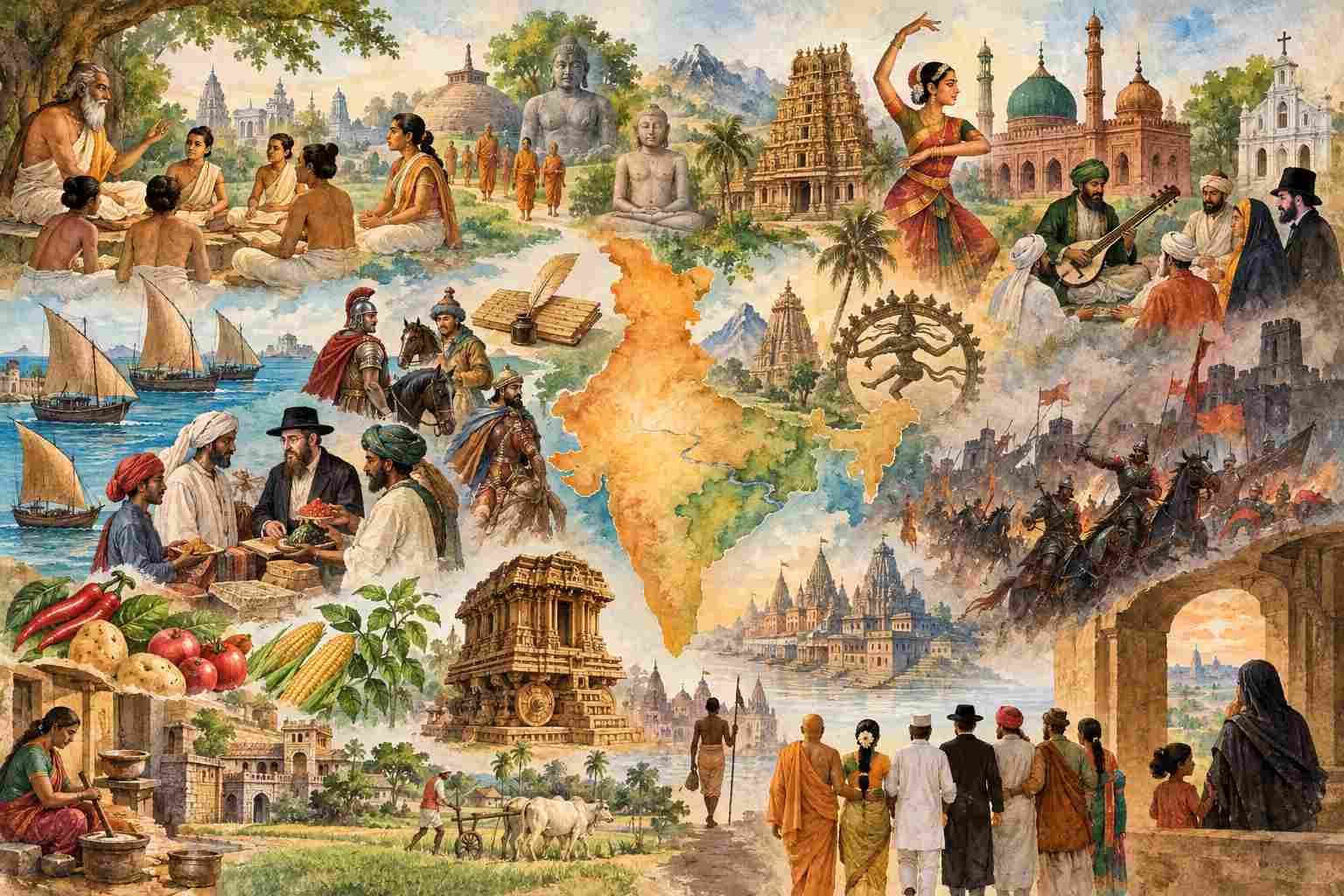
What If… Bharat Had Actually Been an “Exclusive Society”? One of the most repeated descriptions…
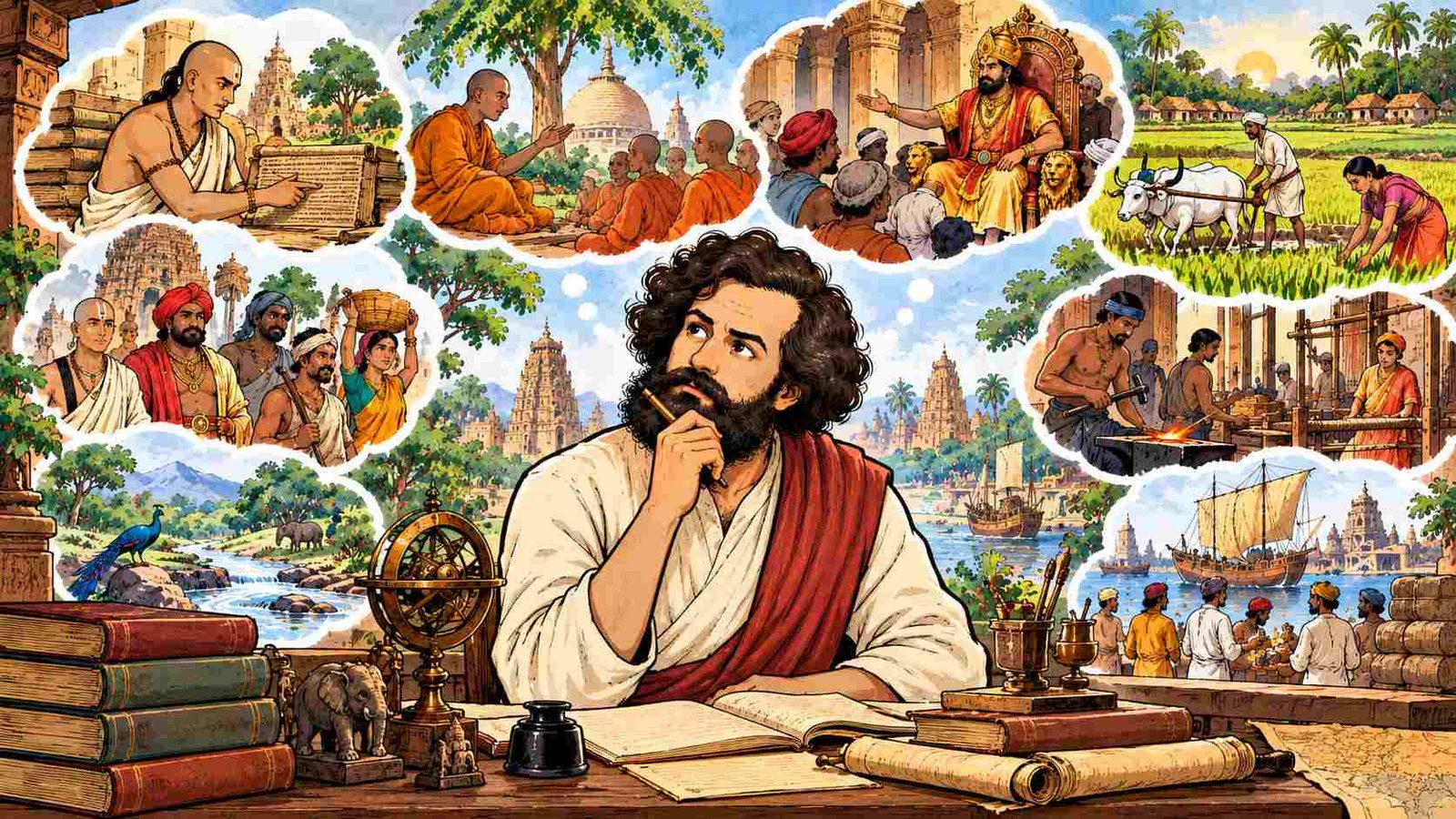
WHAT IF? Marx was born in Bharat? Let me begin with a confession. I have…
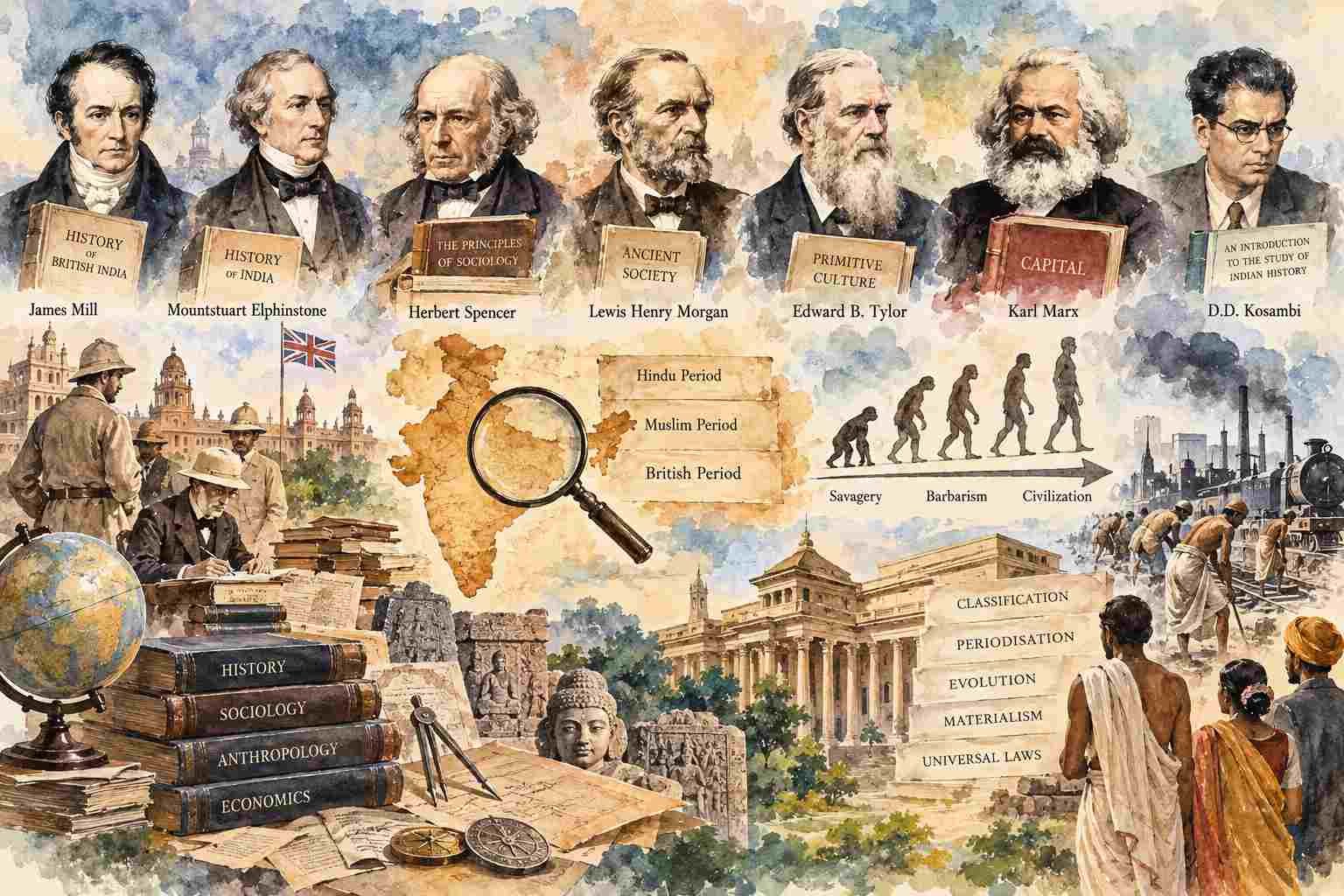
How does a civilisation become a historical object? For much of modern historiography, the answer…
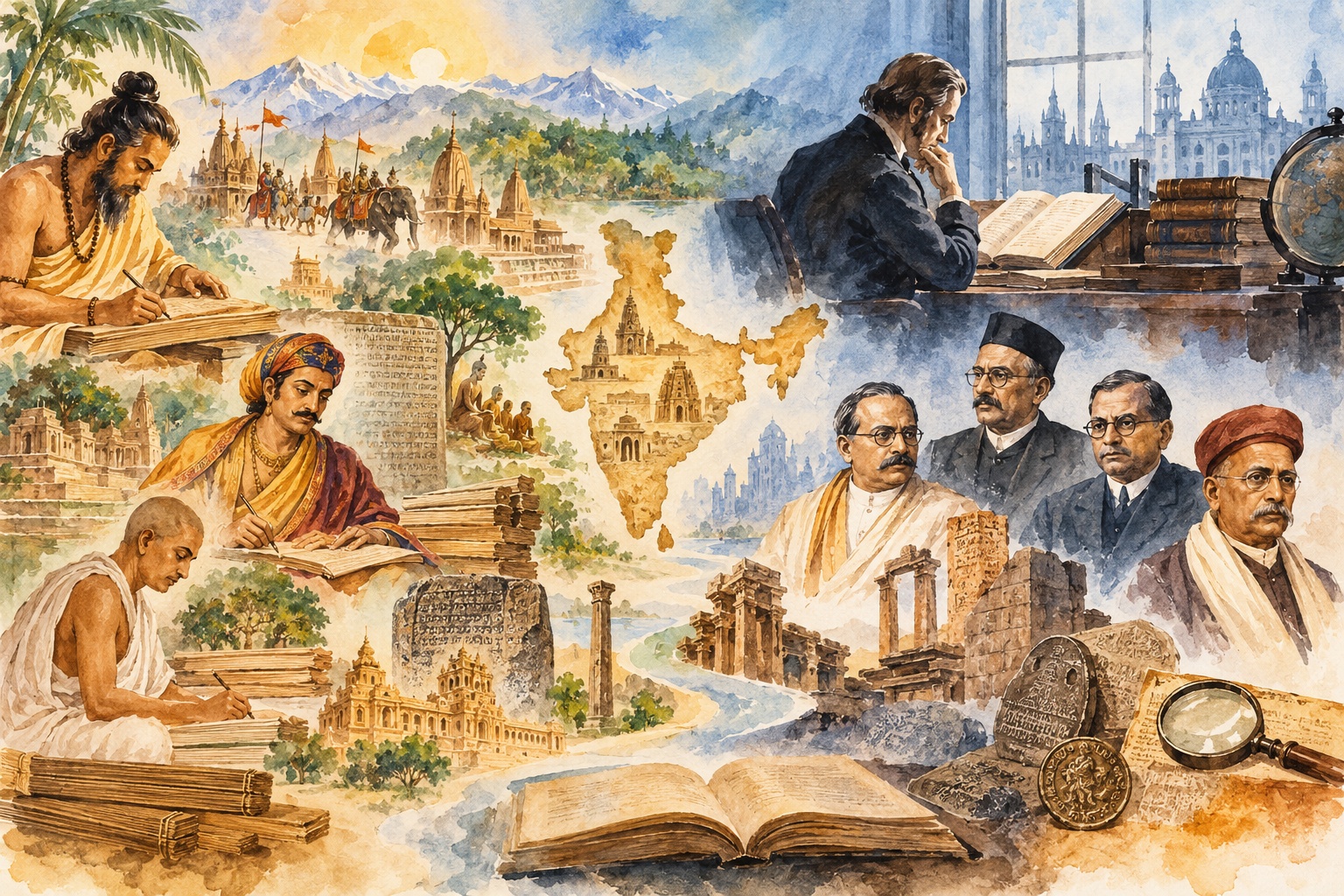
What happens when a civilisation that has remembered its past for thousands of years encounters…
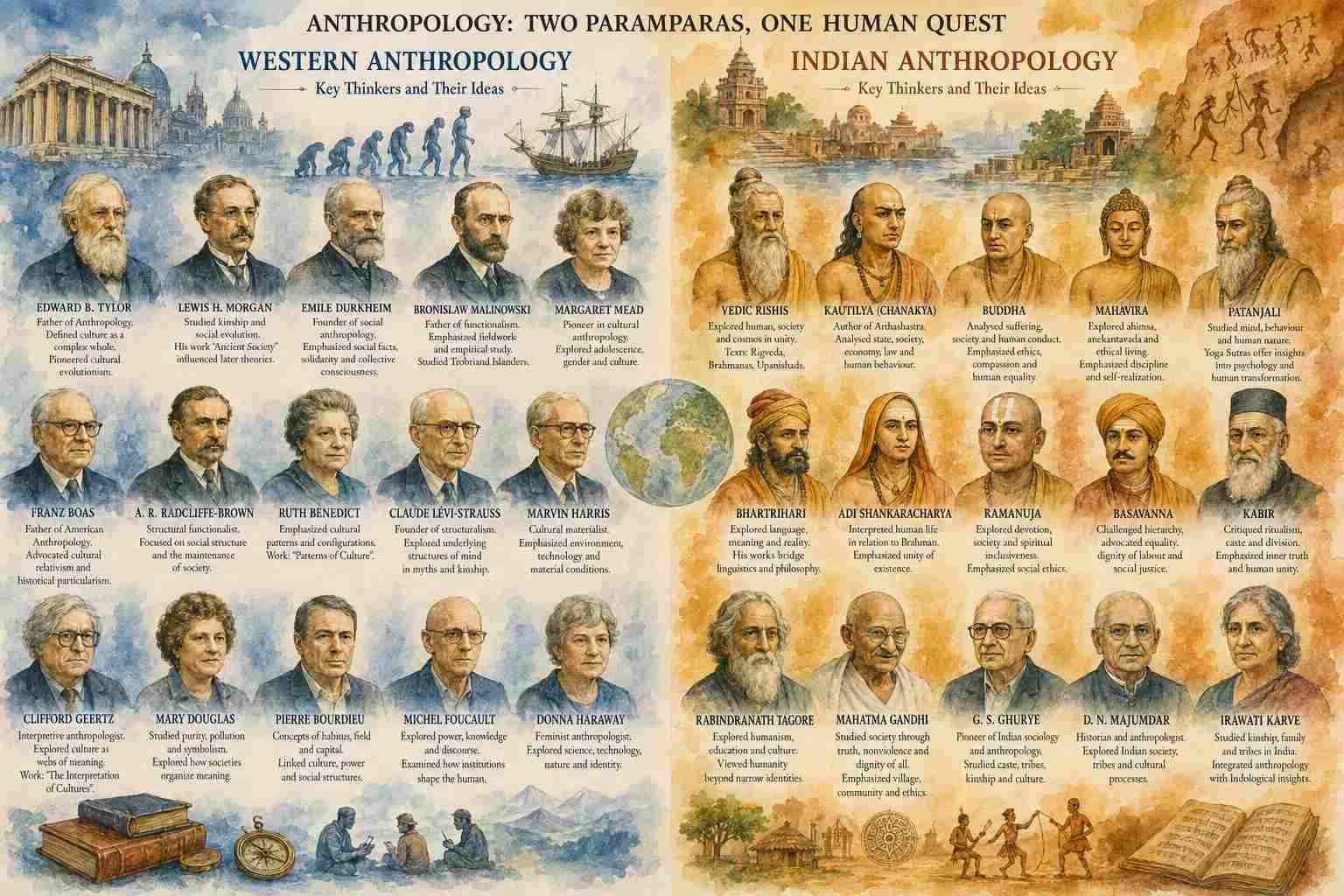
The Evolution of the Western Anthropological Gaze Anthropology asks a deceptively simple question: What does…
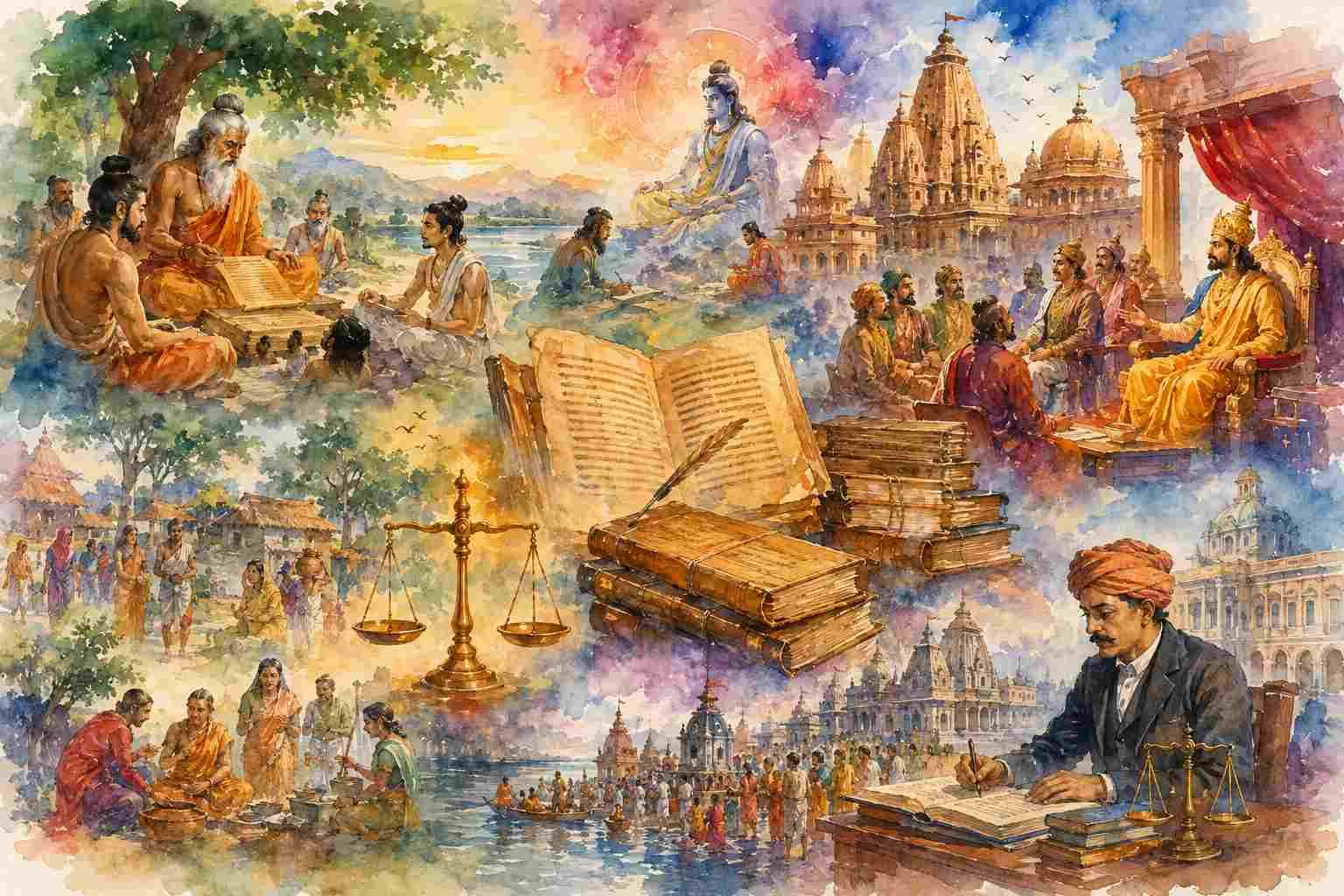
What happens when a civilisation begins asking a deceptively simple question: How should human beings…
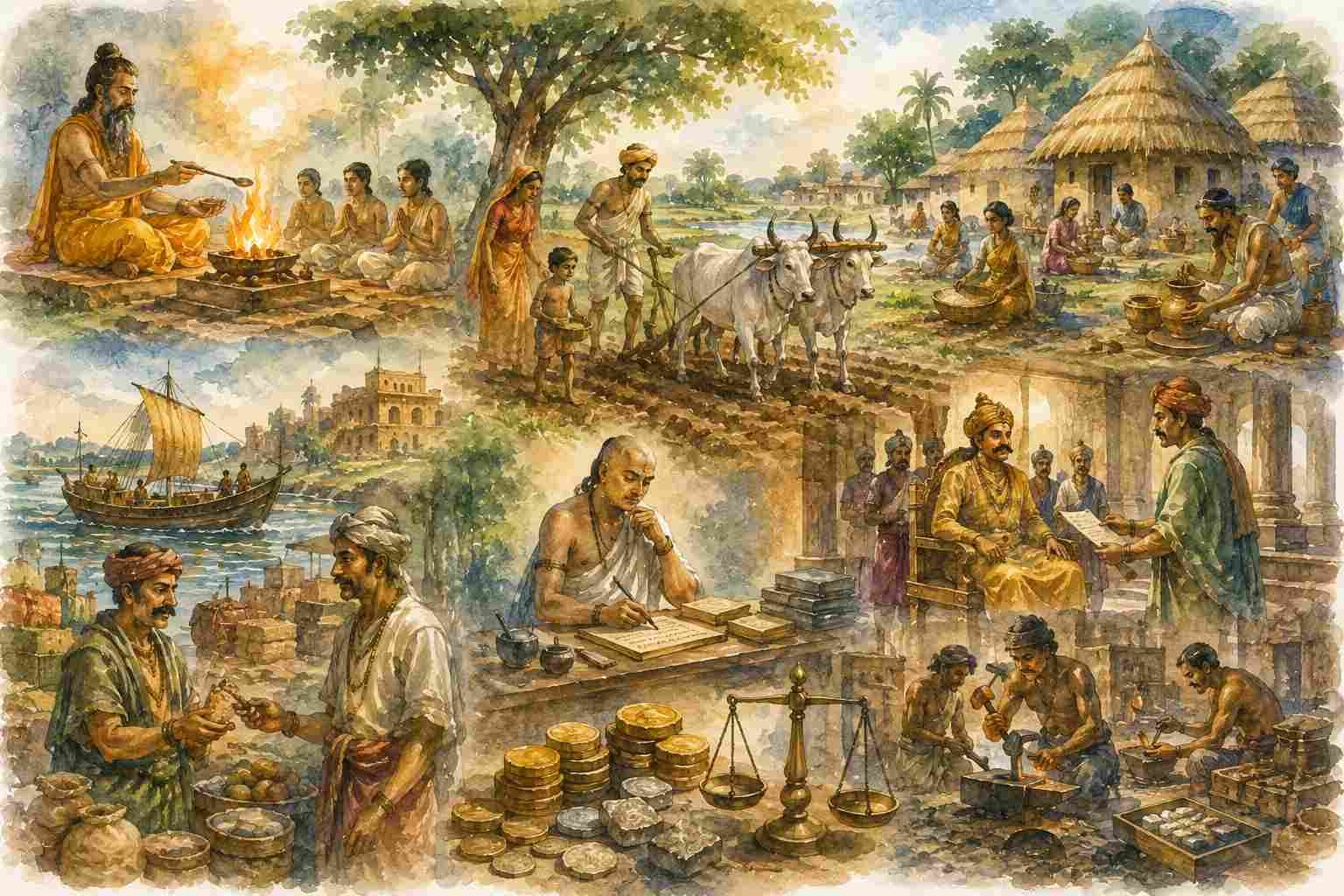
Wealth, Livelihood and the Moral Organisation of Economic Life When we speak of an…
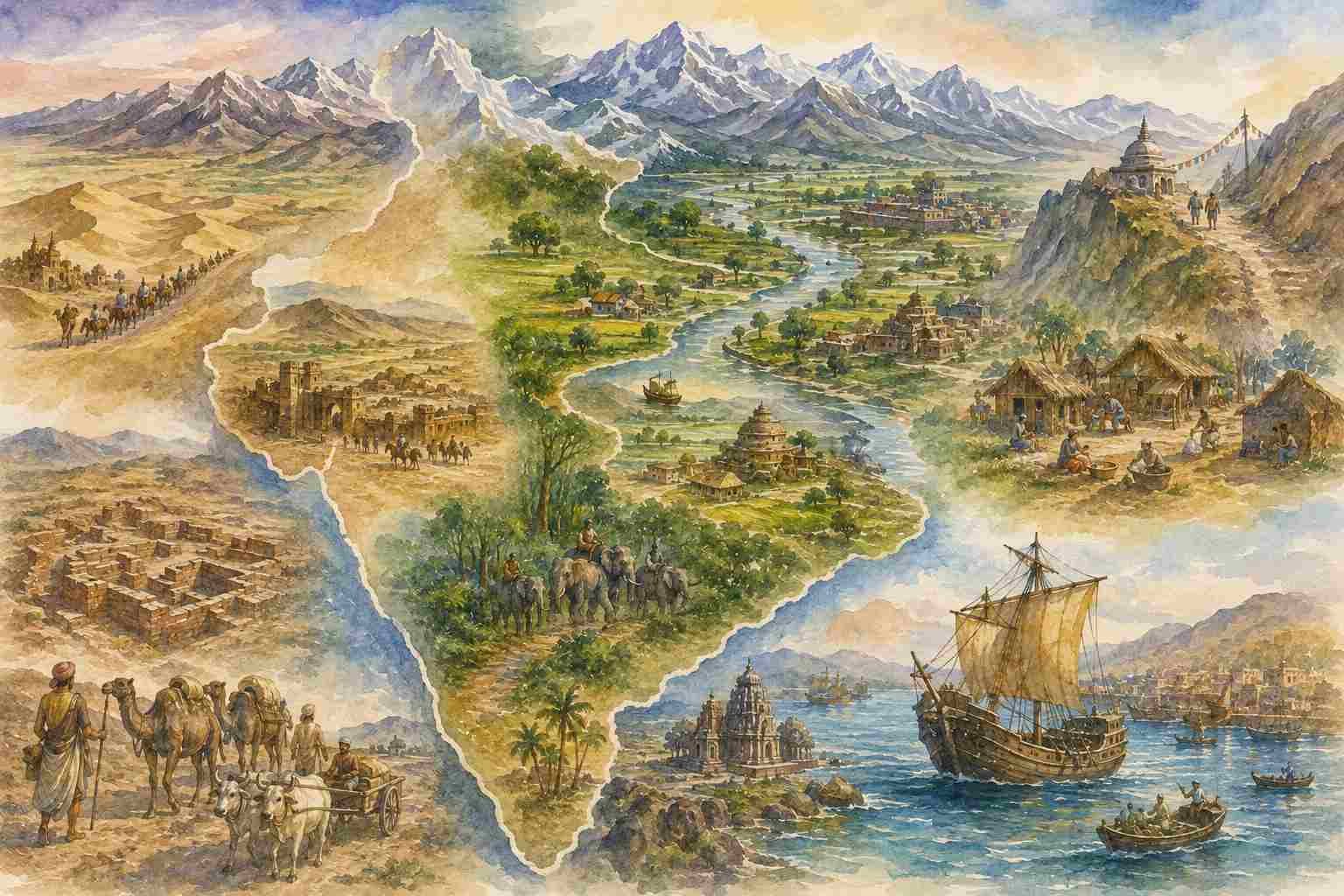
1. Geography before History G. C. Pande begins Dimensions of Ancient Indian Social History with…
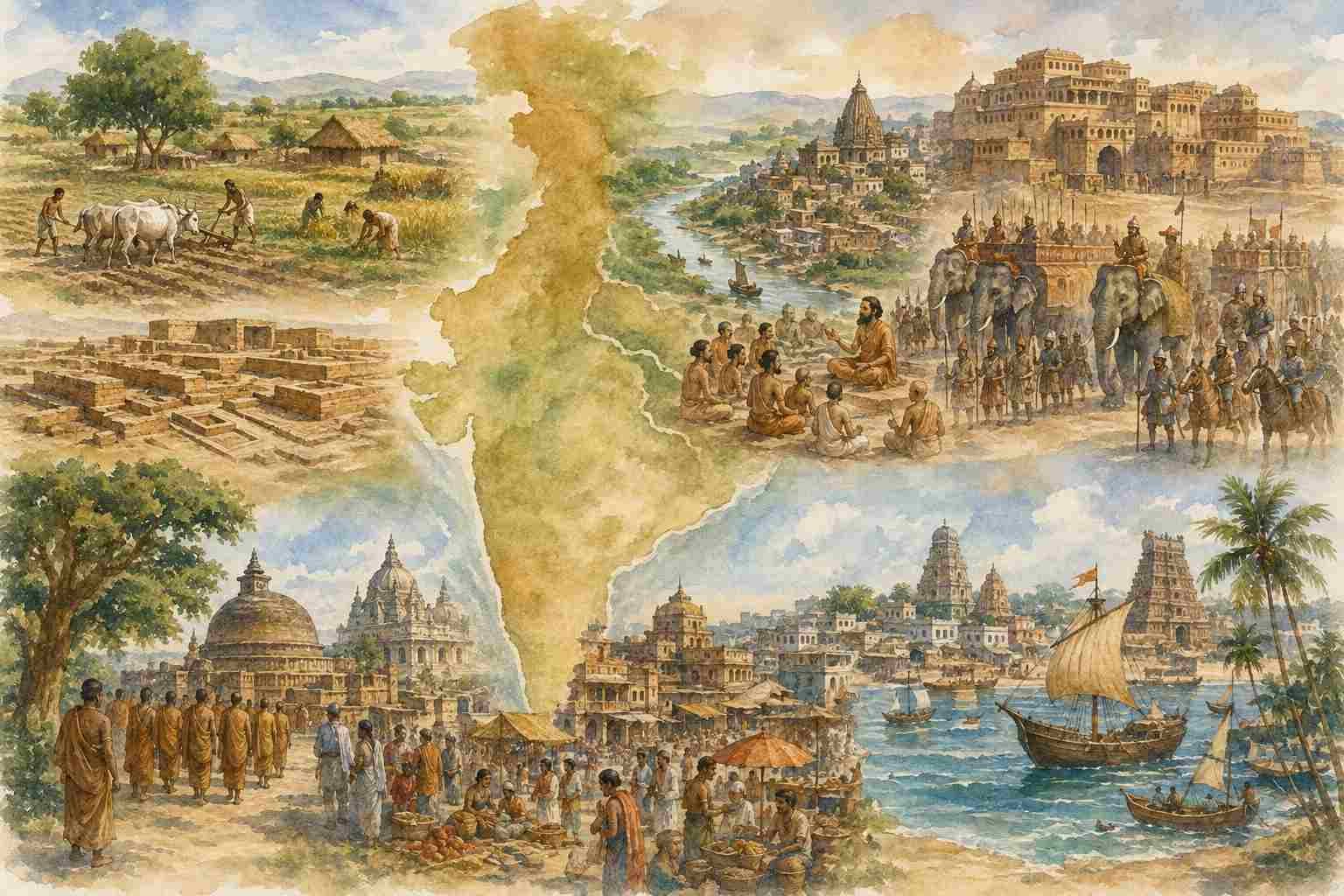
Reading the demographic history of India through G. C. Pande 1. The Demographic Problem…

Nīlakaṇṭhī: How a Seventeenth-Century Scholar Read the Political World of the Mahābhārata When we…
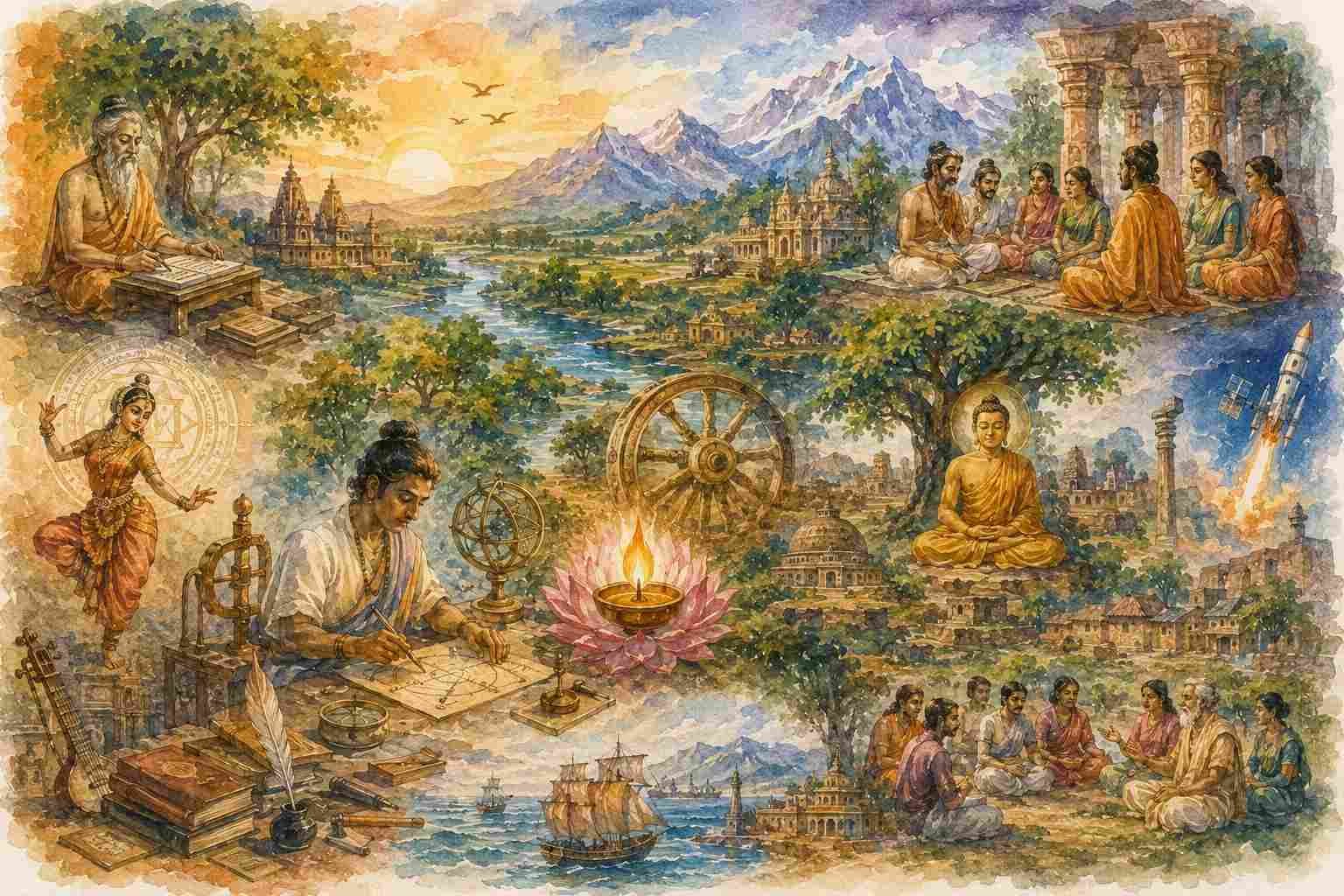
How Kāmandaka’s Political Science Was Read by a Later Scholar When we read Indian political…
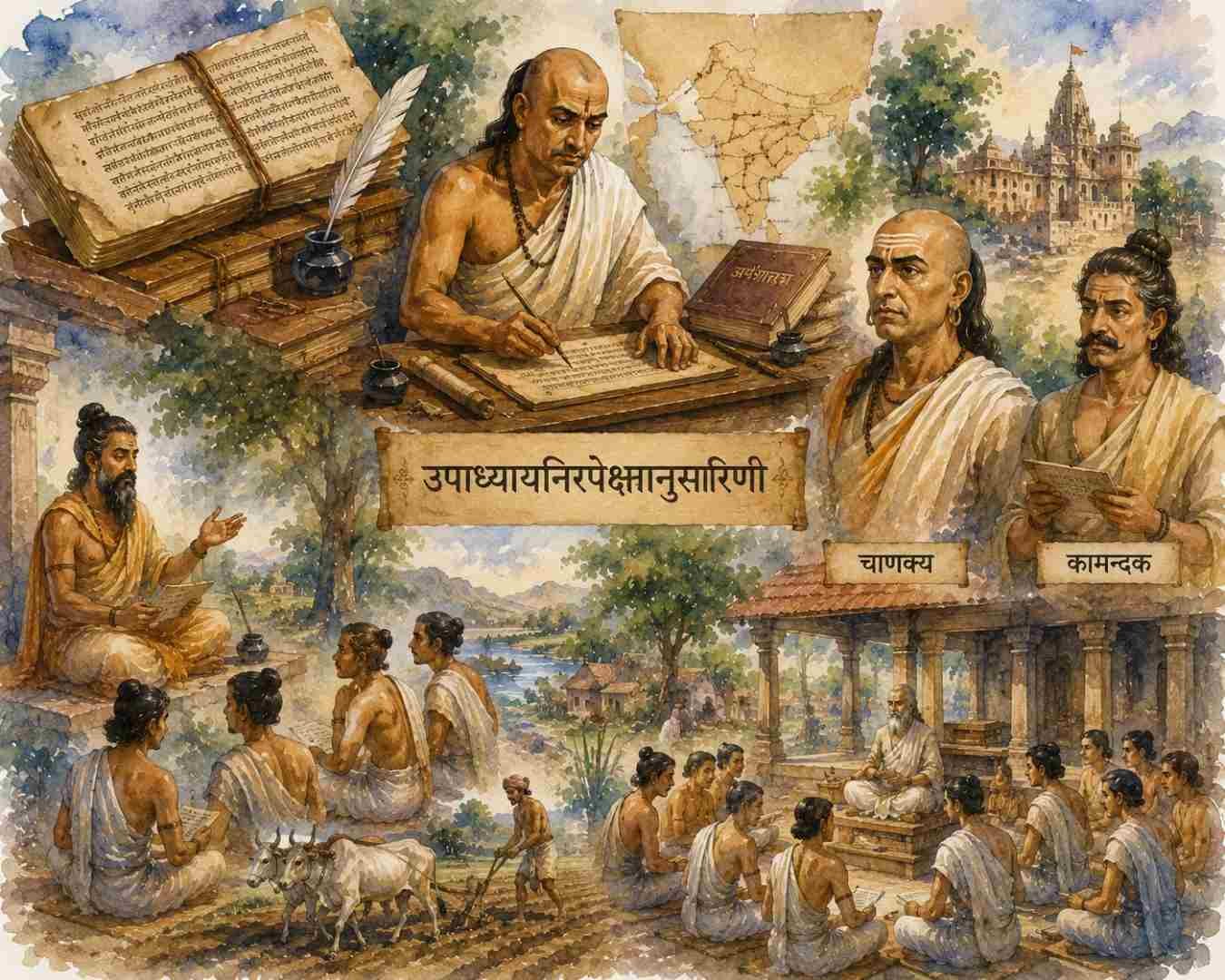
A Later Reading of Kāmandaka’s Political Thought Introduction The history of Sanskrit political thought is…
Context, Content, Transmission, and Scholarly Significance Introduction Upādhyāyanirapekṣā is a commentary on Kāmandaka’s Kāmandakīya Nītisāra.…
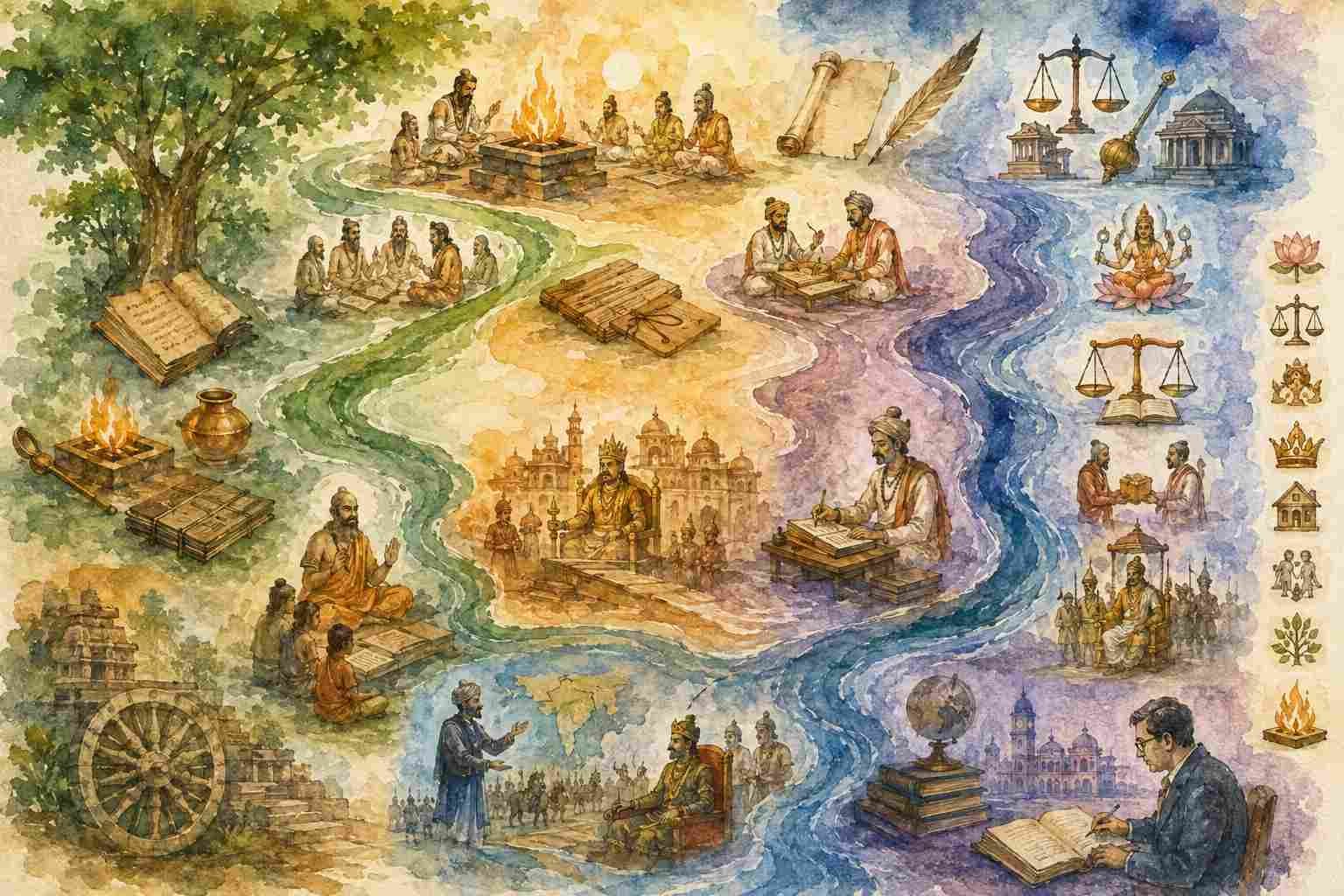
Most of the people think that Dharmashatric tradition is only confined to smritis and most…
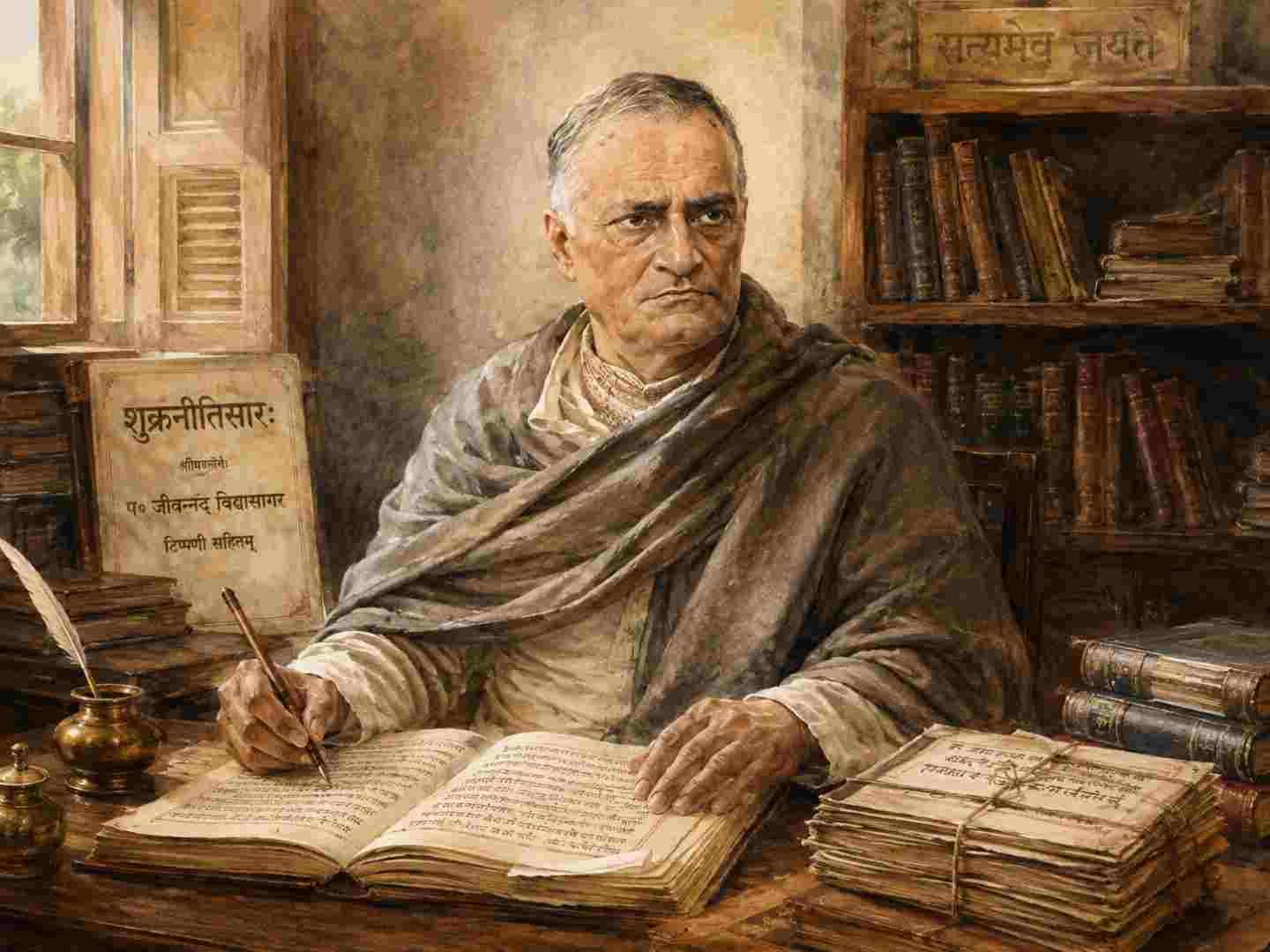
Introduction Indian political thought is often presented through its major works: Kauṭilya’s Arthaśāstra, Kāmandaka’s Nītisāra,…
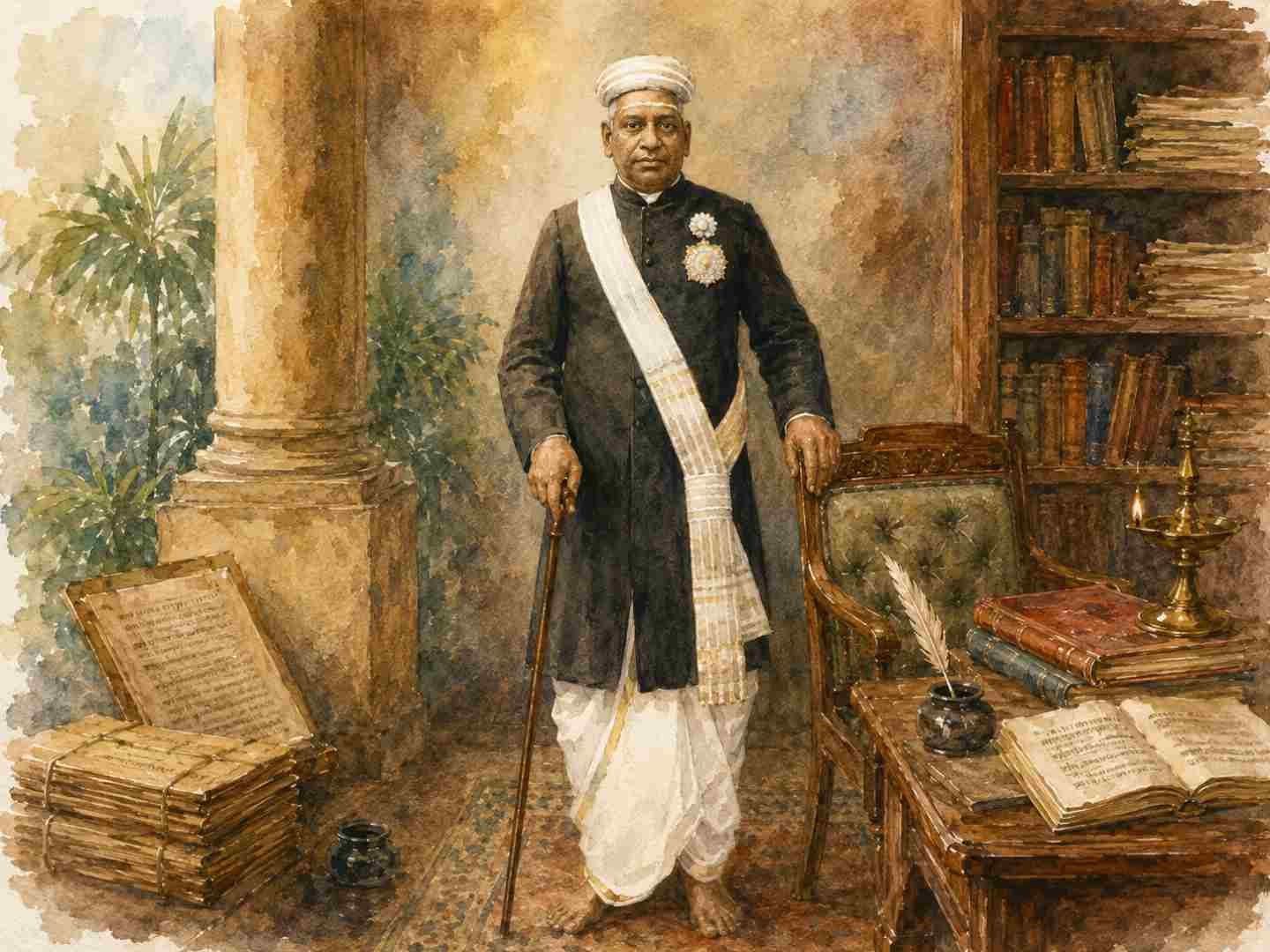
The Modern Recovery of an Indian Political Tradition When we speak about the modern rediscovery…
Part V: The Nibandhas and Digests — The Great Compilation of the Dharmaśāstric Tradition …
Part IV: The Commentarial Age — When Interpreting Dharma Became a Civilizational Intellectual Tradition …
Part III: The Smṛtis — Manu and the Expanding World of Dharmaśāstra The Dharmasūtras…
Part II: The Dharmasūtras — The Earliest Systematic Texts of Dharma If the first…
Part I: What Is Dharmaśāstra? From Veda to the Sources of Dharma When we…
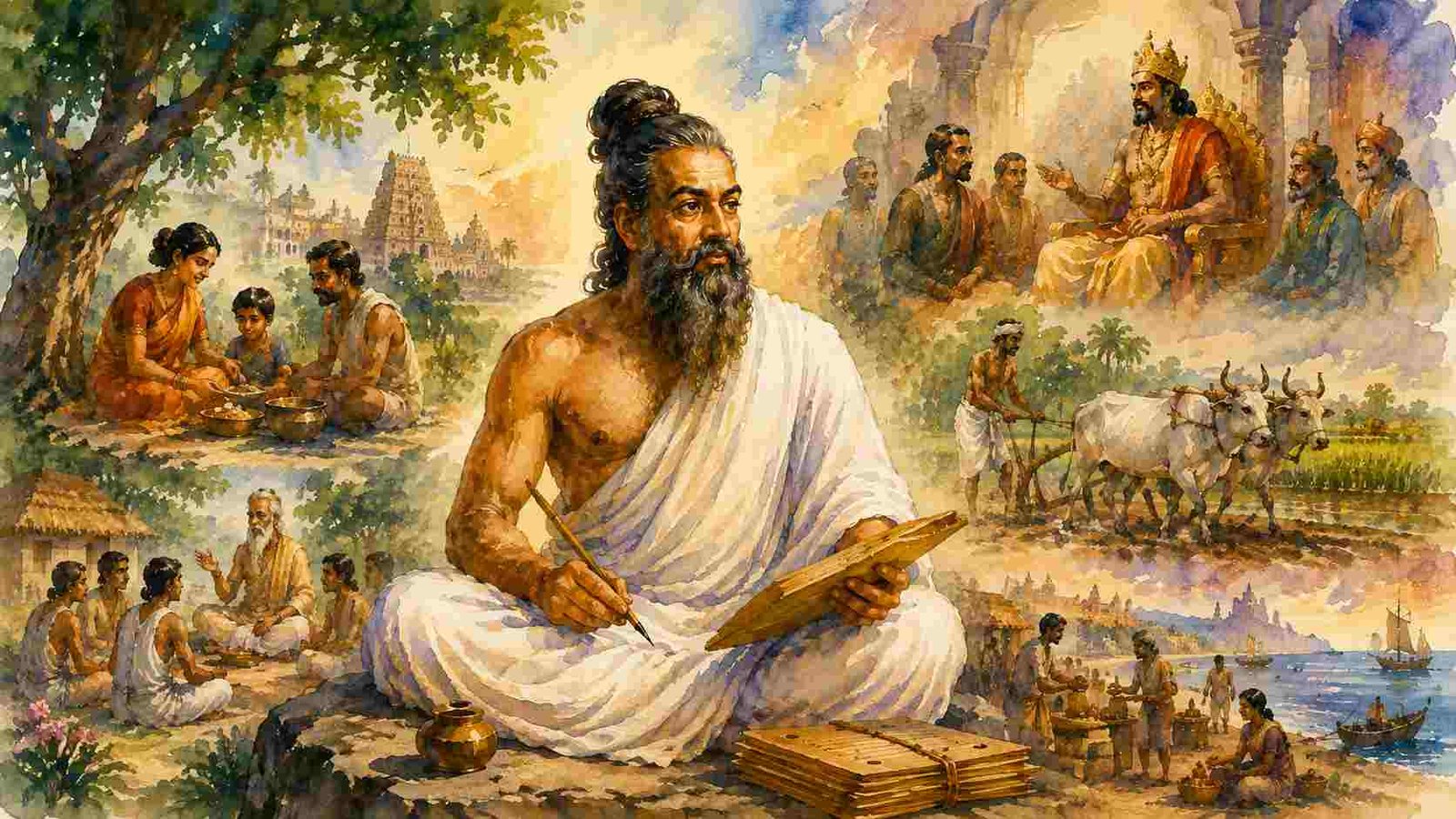
Before the State, There Is the Social World After reading the Thirukkural as a whole,…
Reading the Thirukkural as an Indic Social Text The Thirukkural is one of those books…
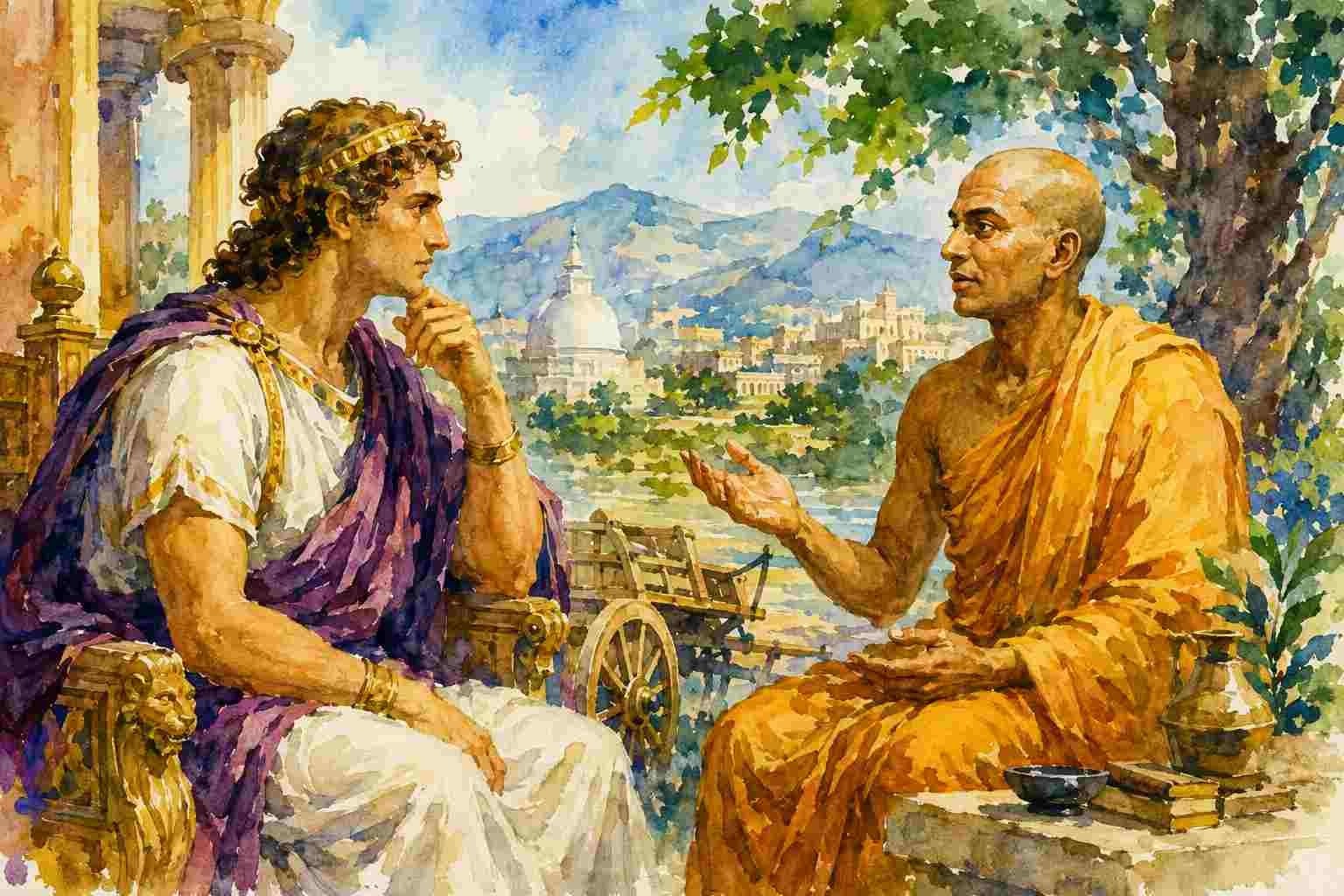
Introduction: From the Question of the Self to the Question of the World The first…
THE MILINDOPANHA Introduction: Before the Questions Begin When I first approached the Milindapañha, I knew…
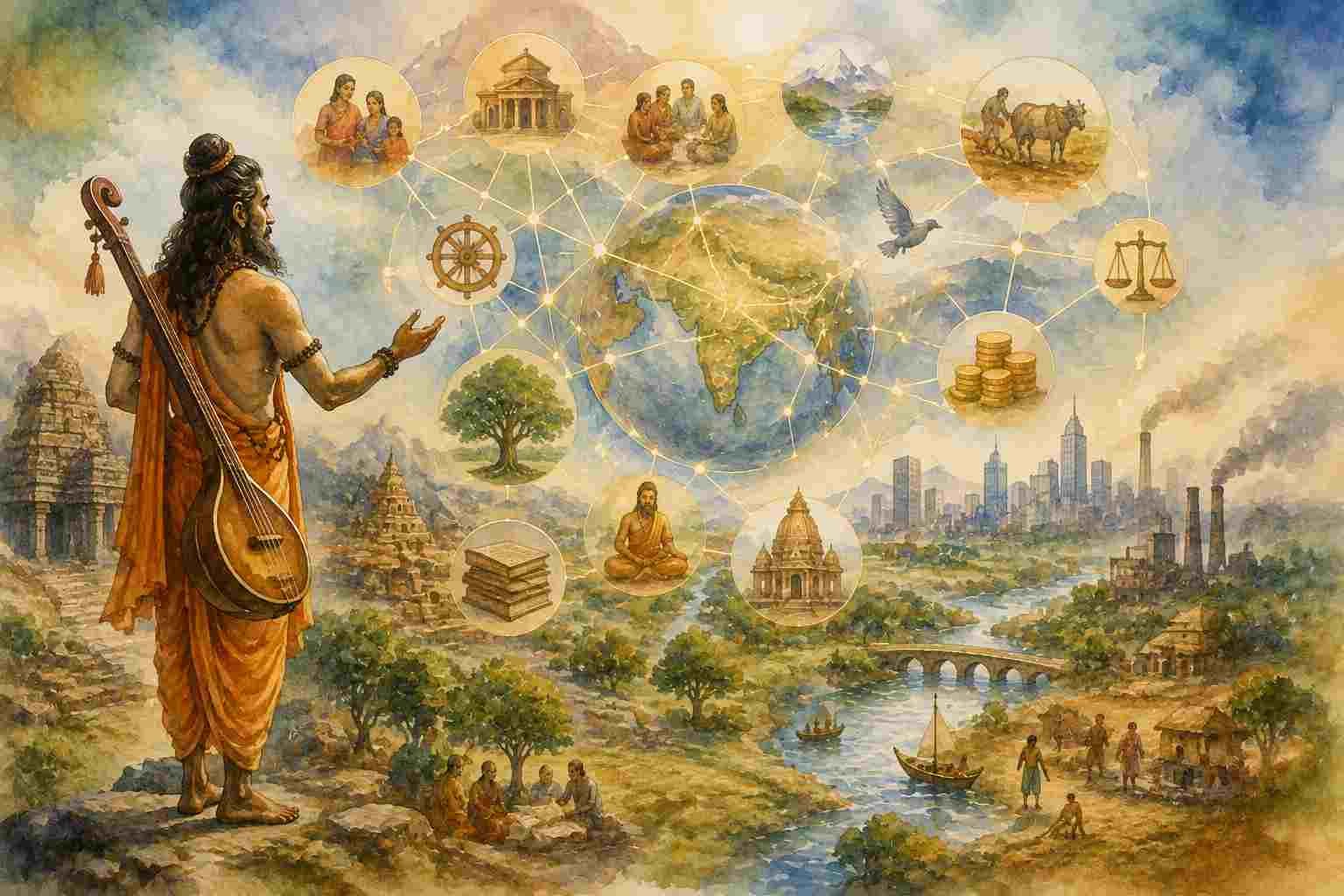
Narada State and Civilizational Analytics (NSCA) Narada State and Civilizational Analytics (NSCA) is an Indic…
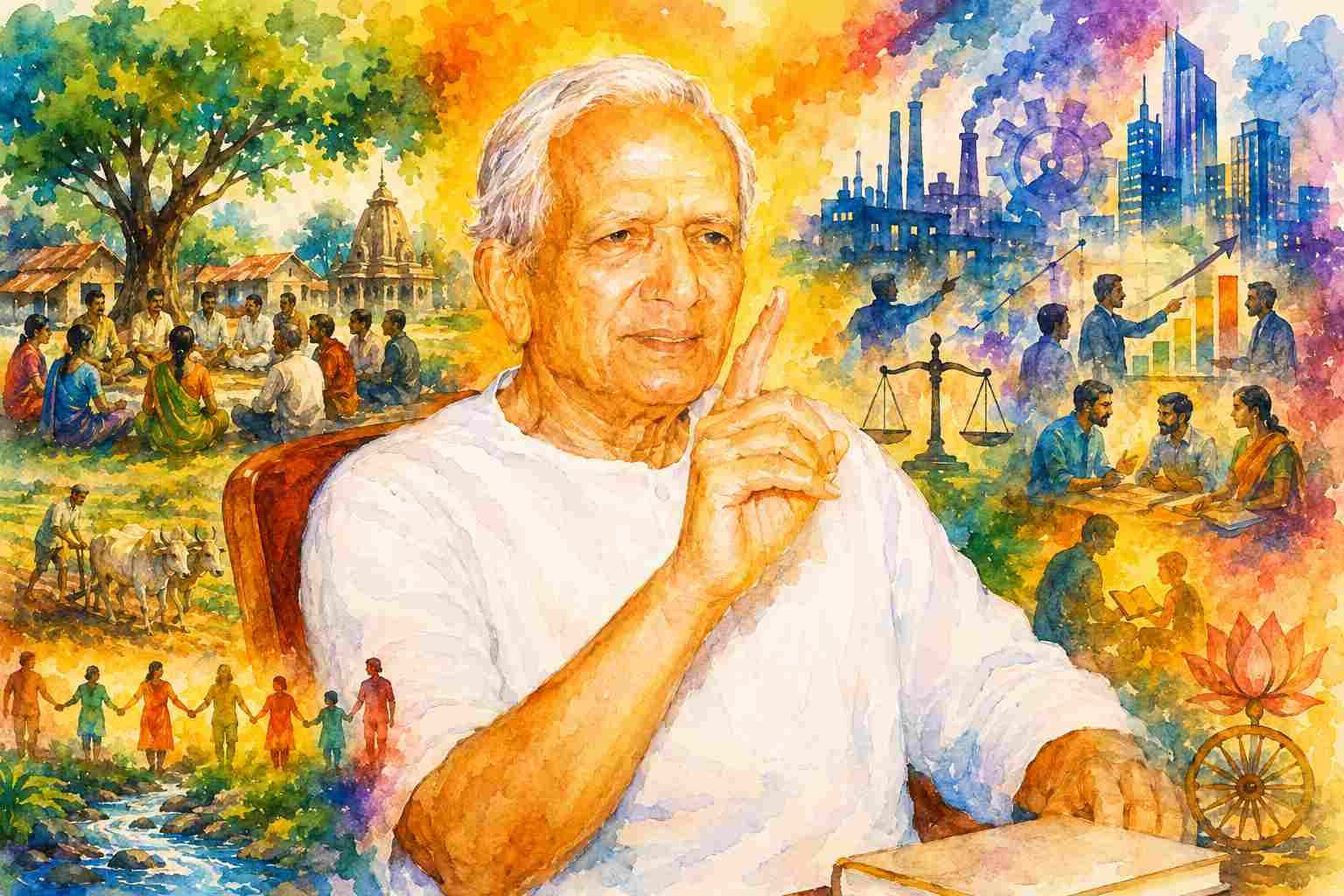
THE THIRD WAY by Dattopant Thengadi Ji Third Way is an ambitious and wide-ranging intellectual…
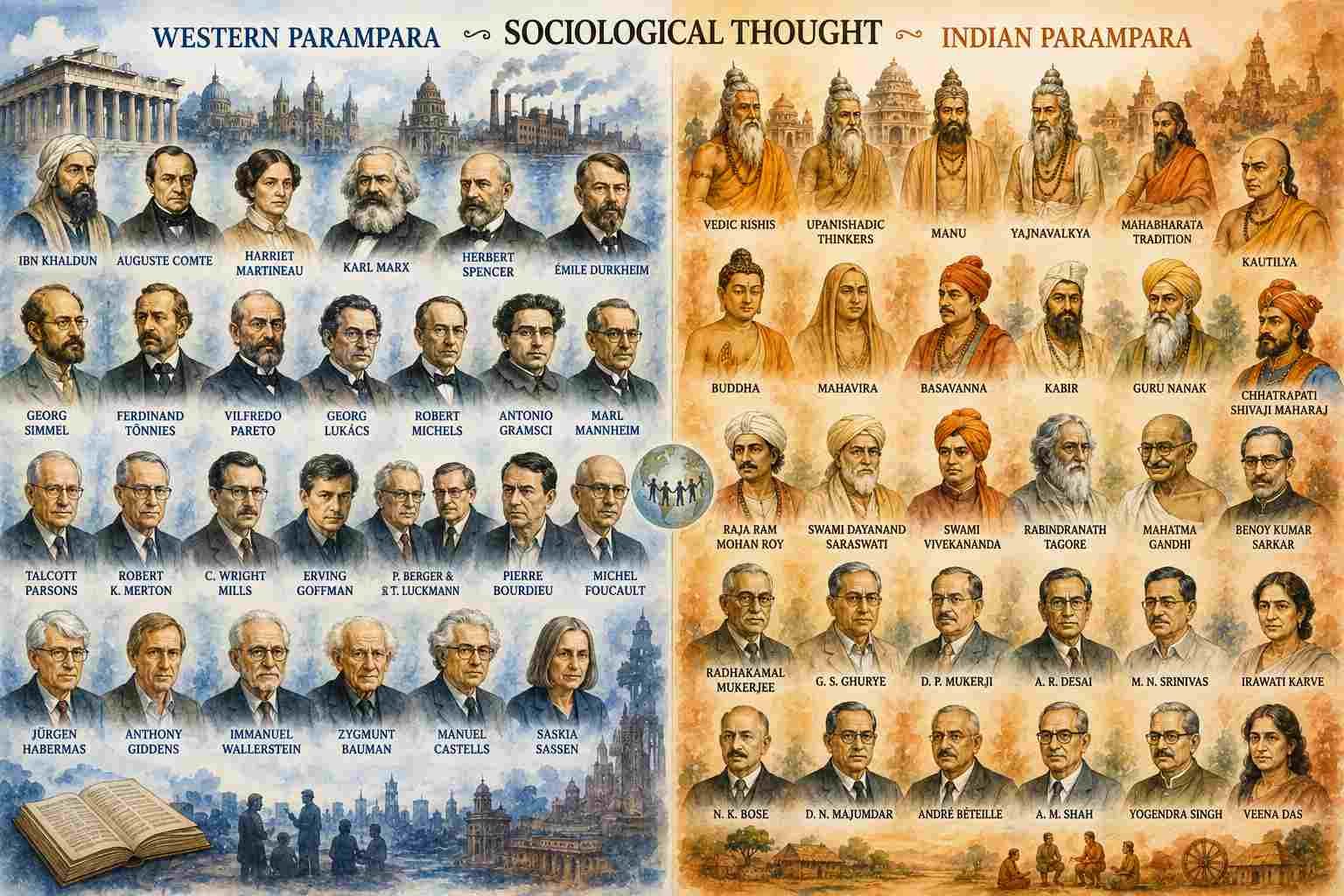
Sociology asks a deceptively simple question: how does society work? Why do human beings form…
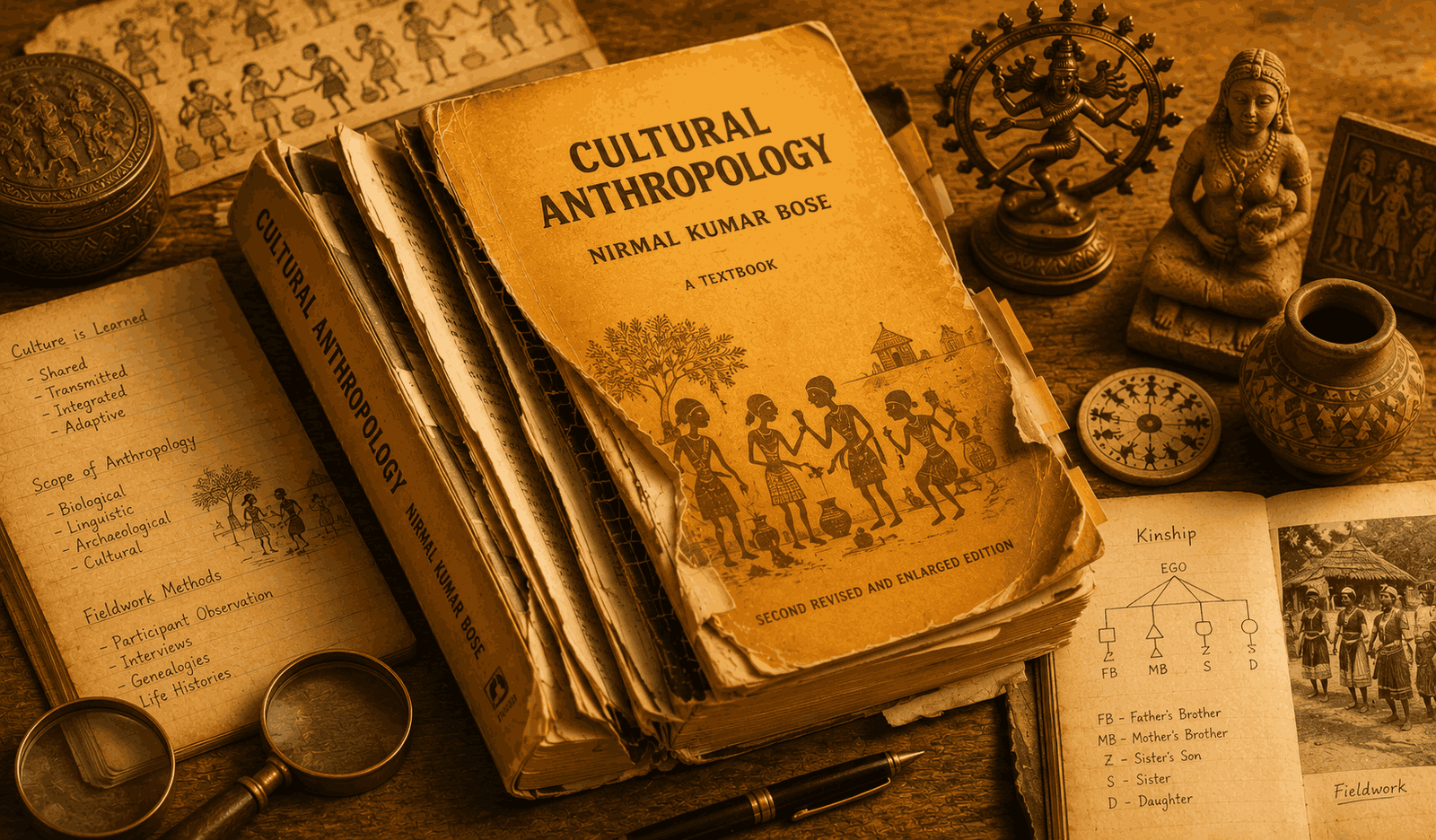
A Journey Through the Indian Understanding of the Human Being Anthropology is young. The university discipline…
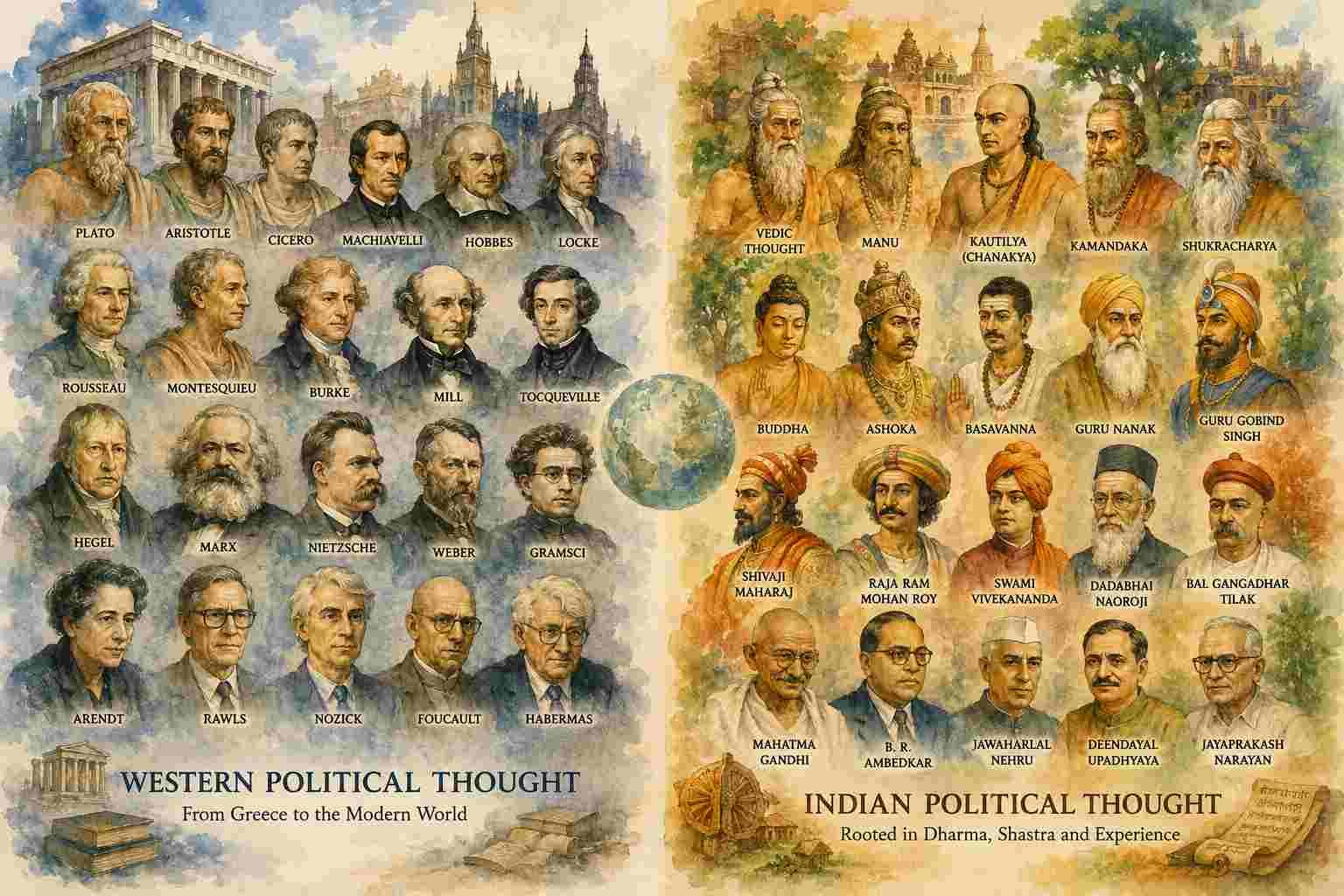
Political science, as taught across universities around the world, is built through a long conversation…
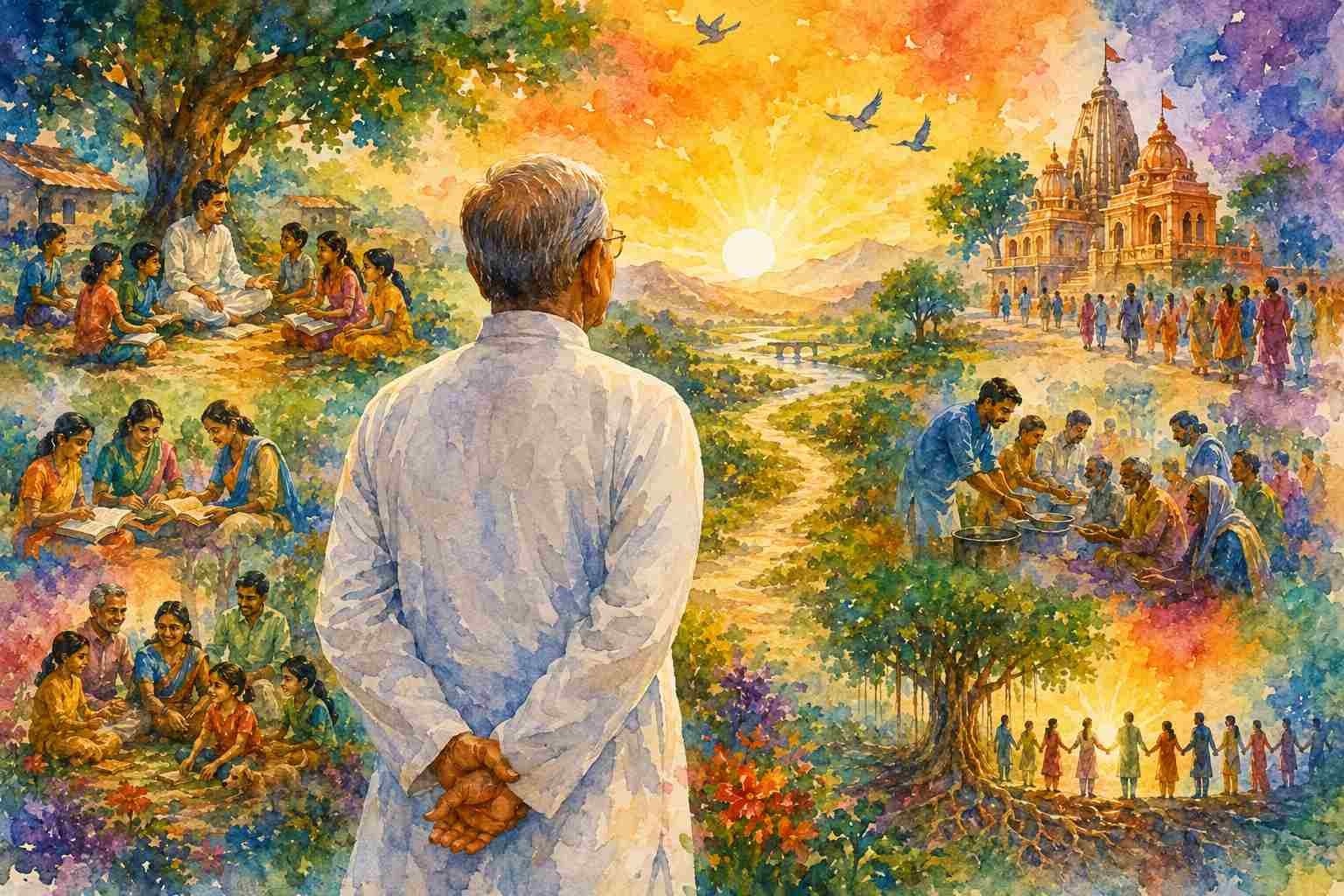
(The idea developed in this article emerges from a profound formulation of Pandurang Shastri Athavale…
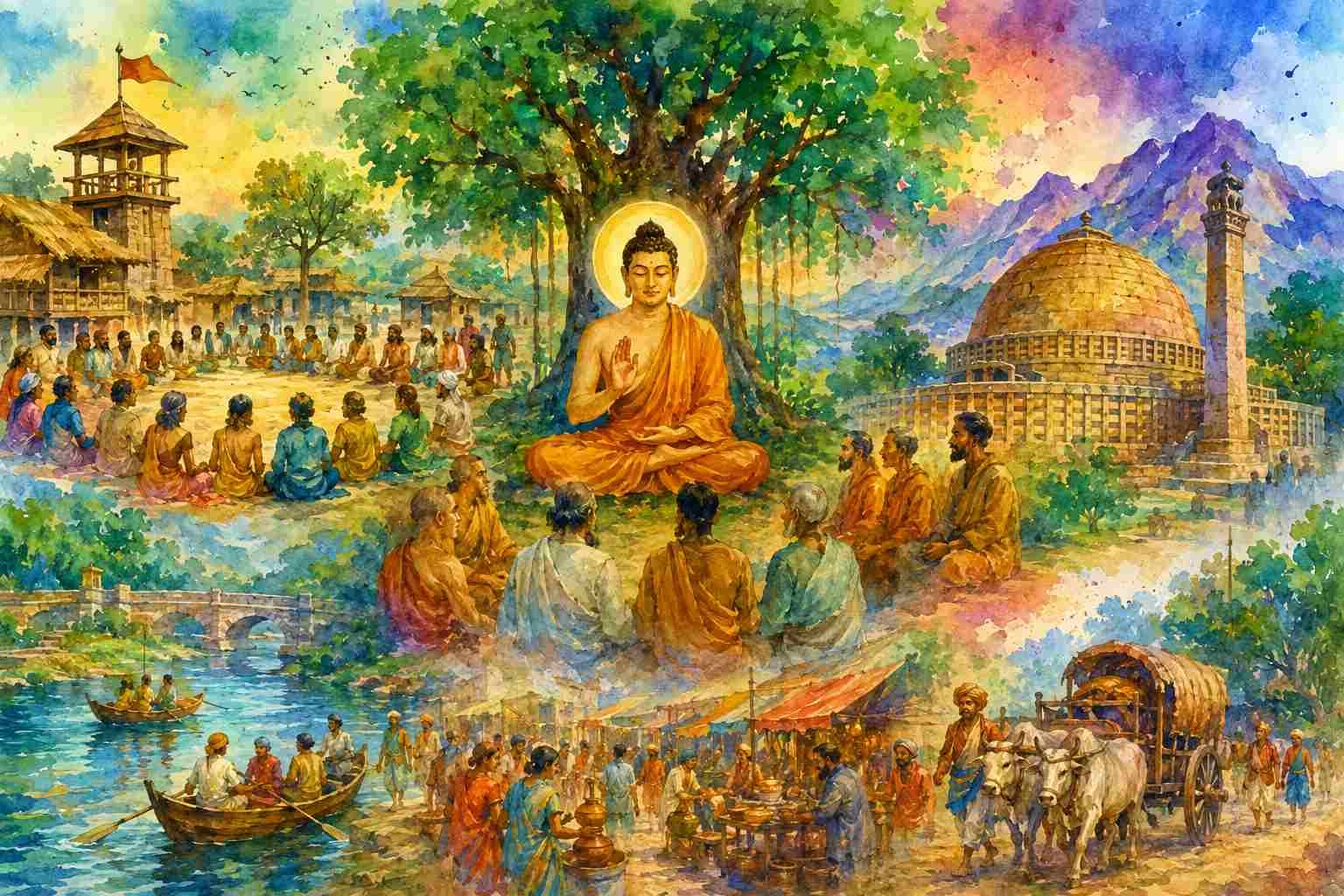
The Story Before the Theory Before a kingdom went to war, could the king’s…
Can Narada’s 123 Questions Become an Indigenous Framework for Diagnosing the Health of a State?…
Reading the State as a Civilizational System: The Integrated Logic of Narada’s 123 Questions …
Narada’s 123 Questions as a Framework for Reading the State We have become accustomed to…
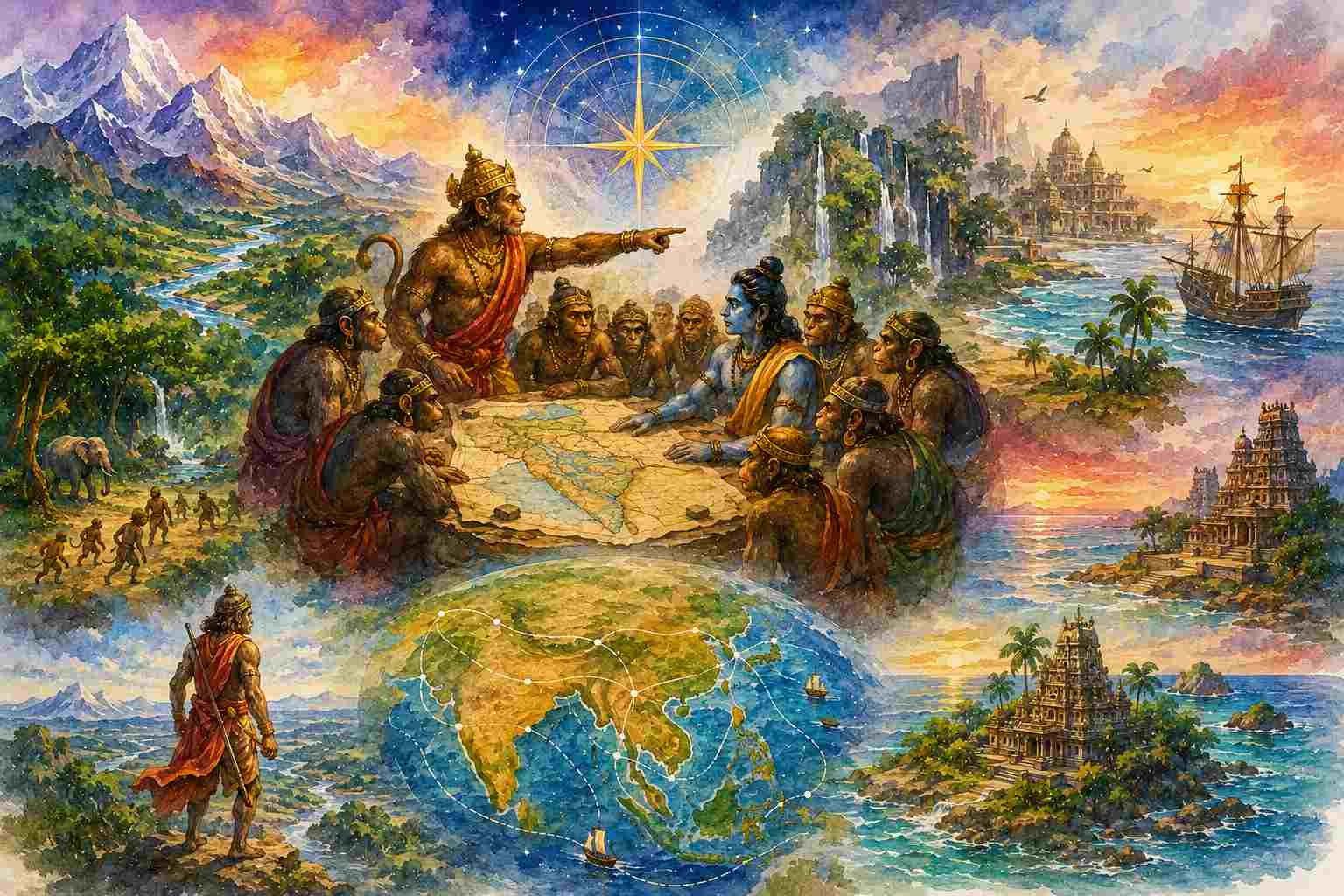
What if one of the most remarkable geographical descriptions in Indian literature appears not in…
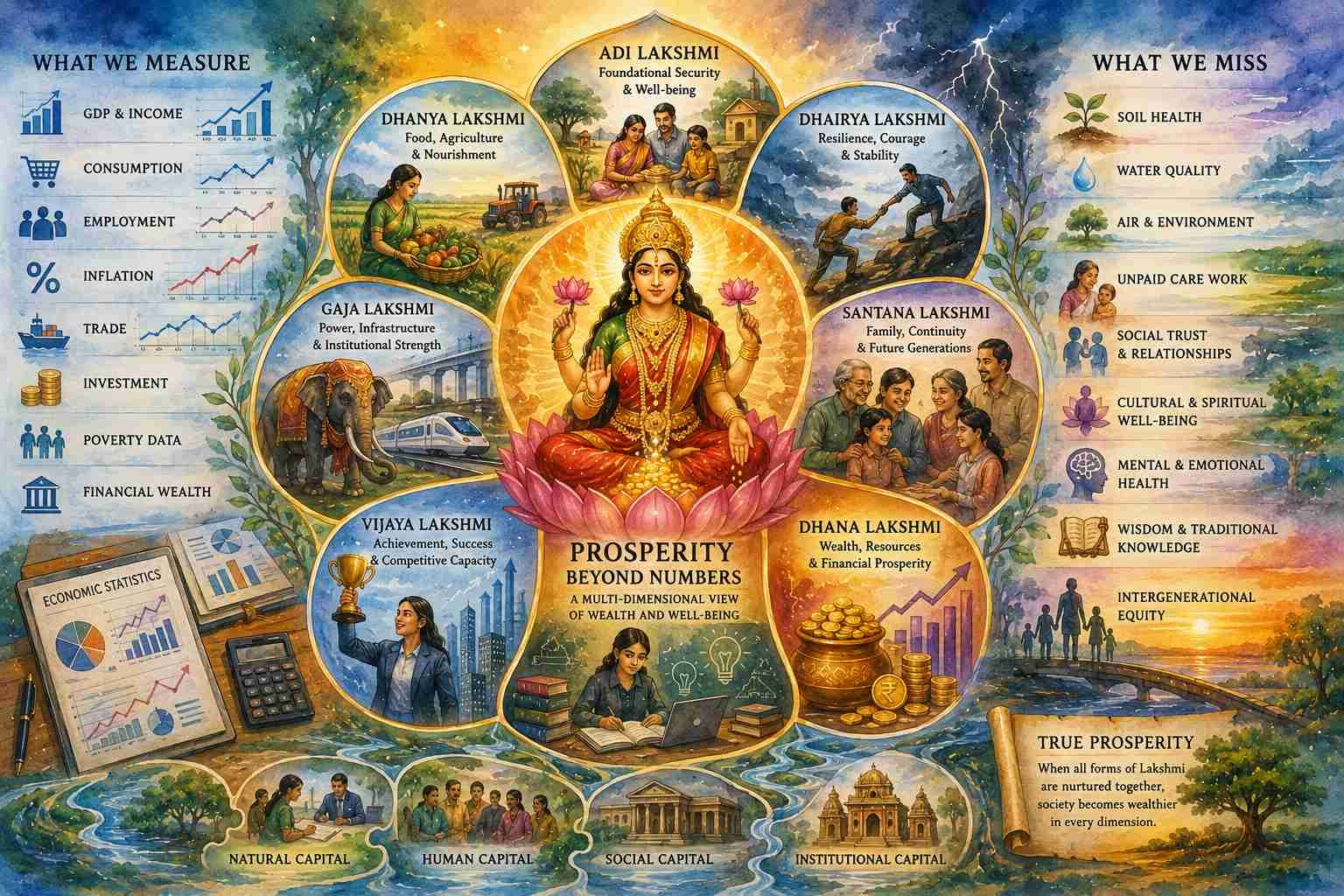
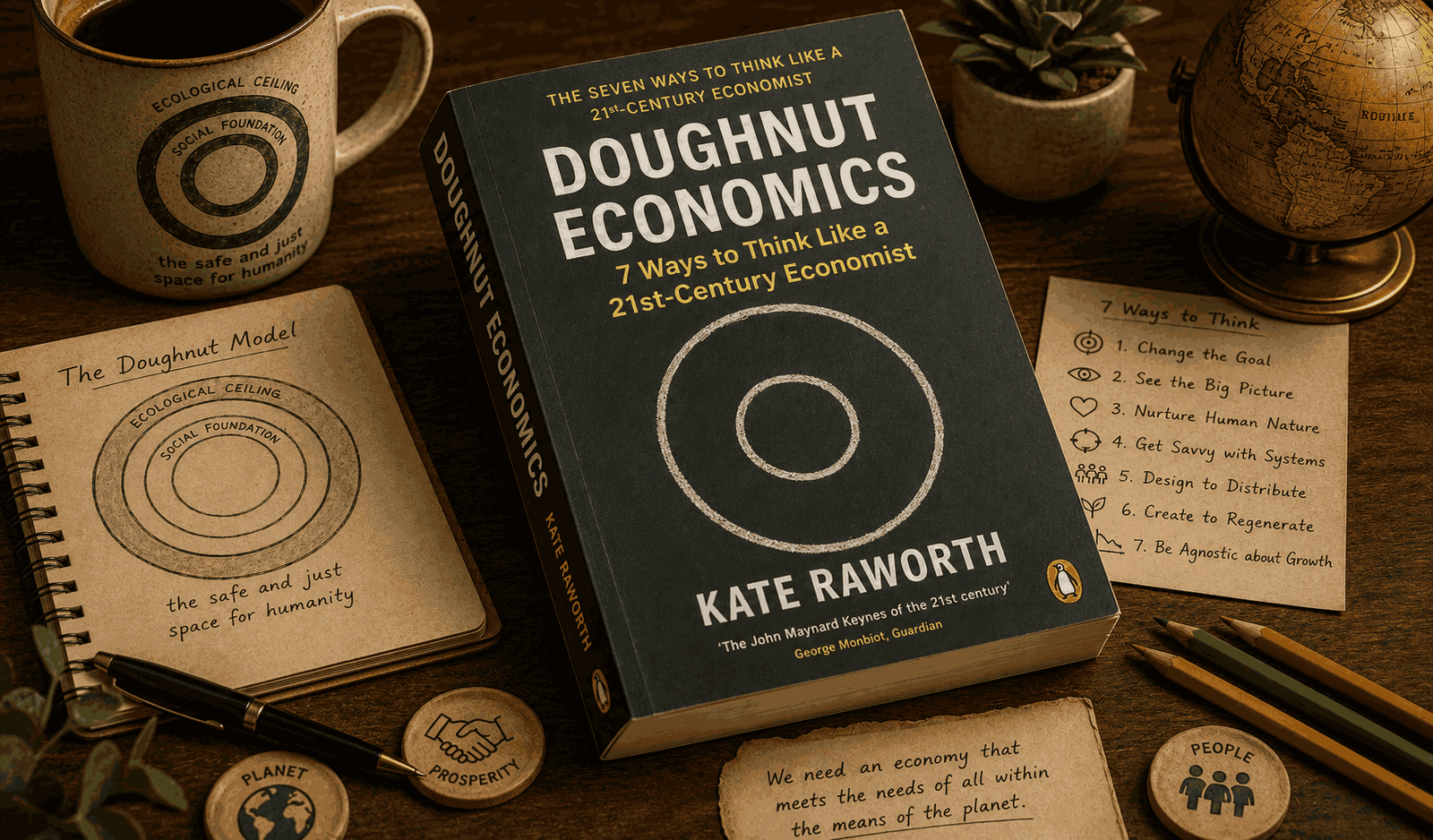
What Do Our Economic Statistics Actually Measure? Economics has become extraordinarily good at counting. We…
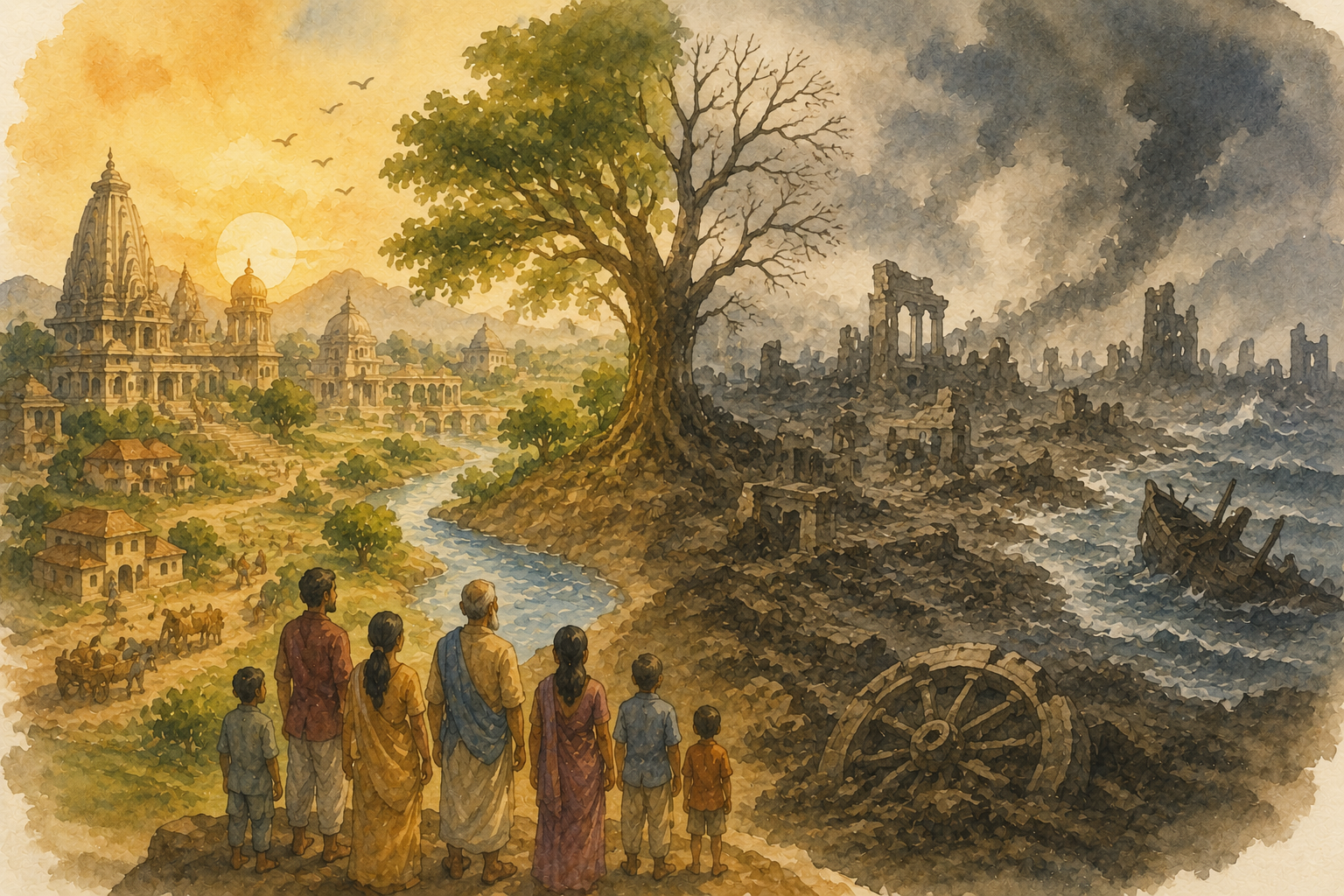
Why Do Civilizations Rise and Fall? Beyond the Cycle of History Why do some civilizations…
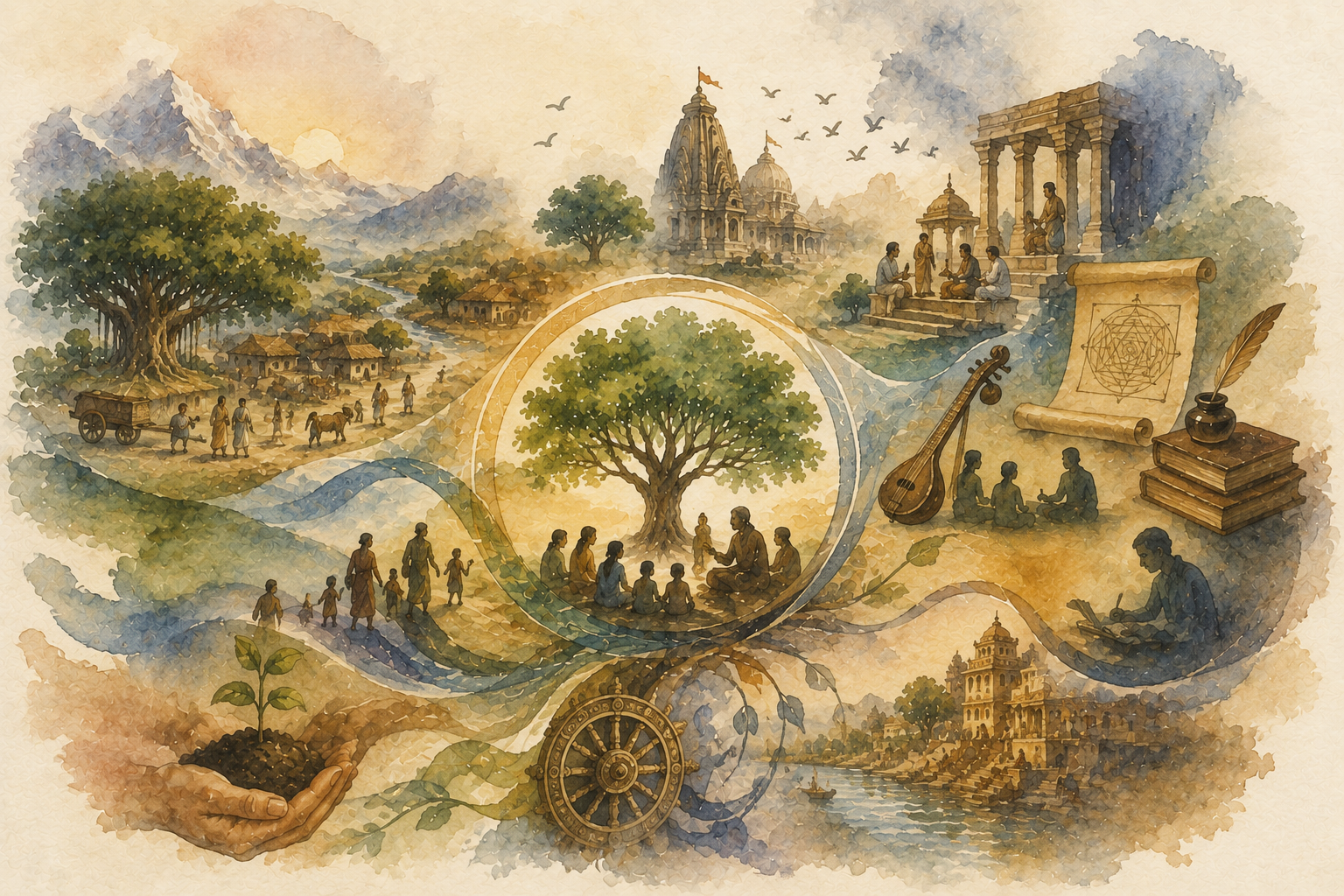
How Does a Civilization Continue? The Hidden Architecture of Civilizational Continuity If a civilization extends…
What sustains the social world in which rights can actually be enjoyed? Beyond the Rights–Duties…
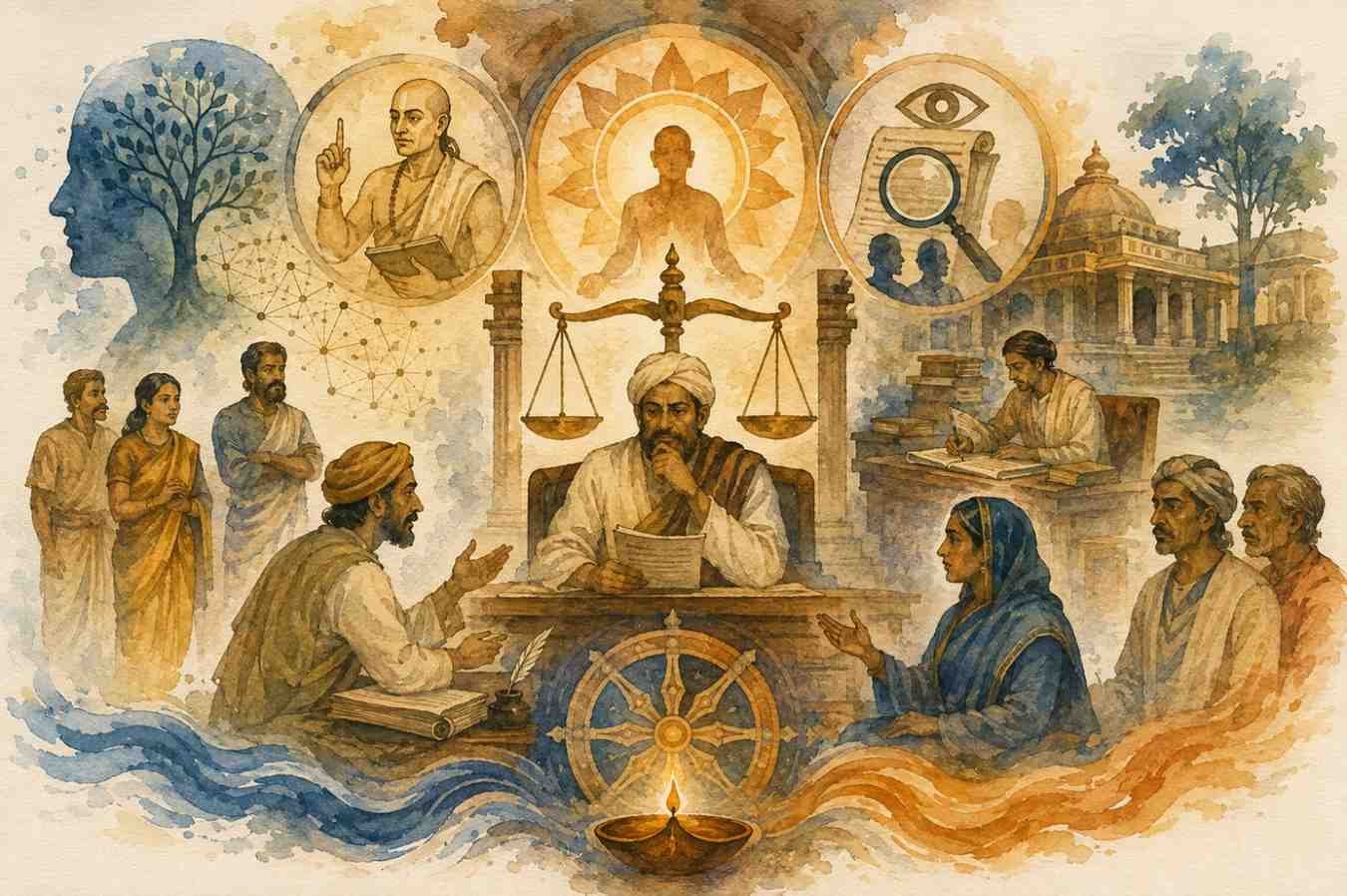
How Should Justice Be Done? What happens when a legal system is confronted with a…
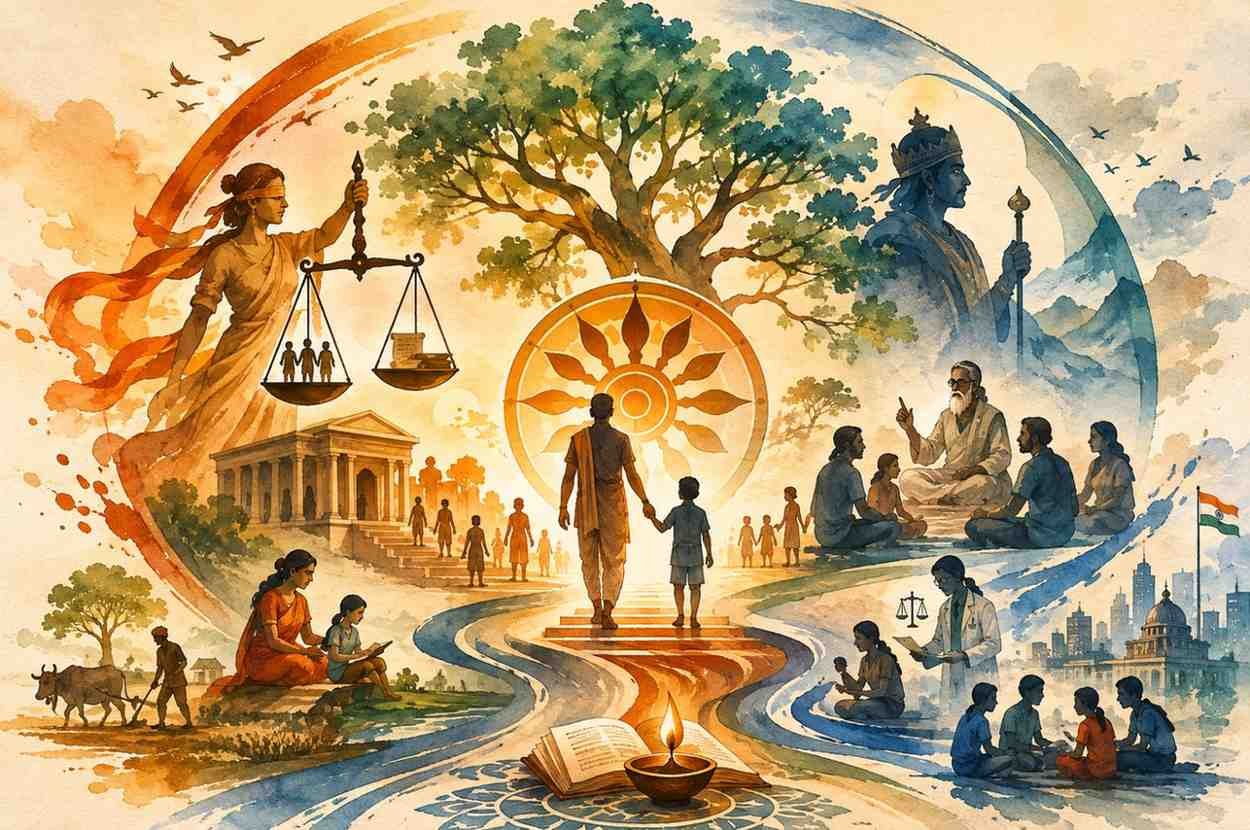
Justice, Duty and Social Order What makes a law worthy of obedience? The modern legal…
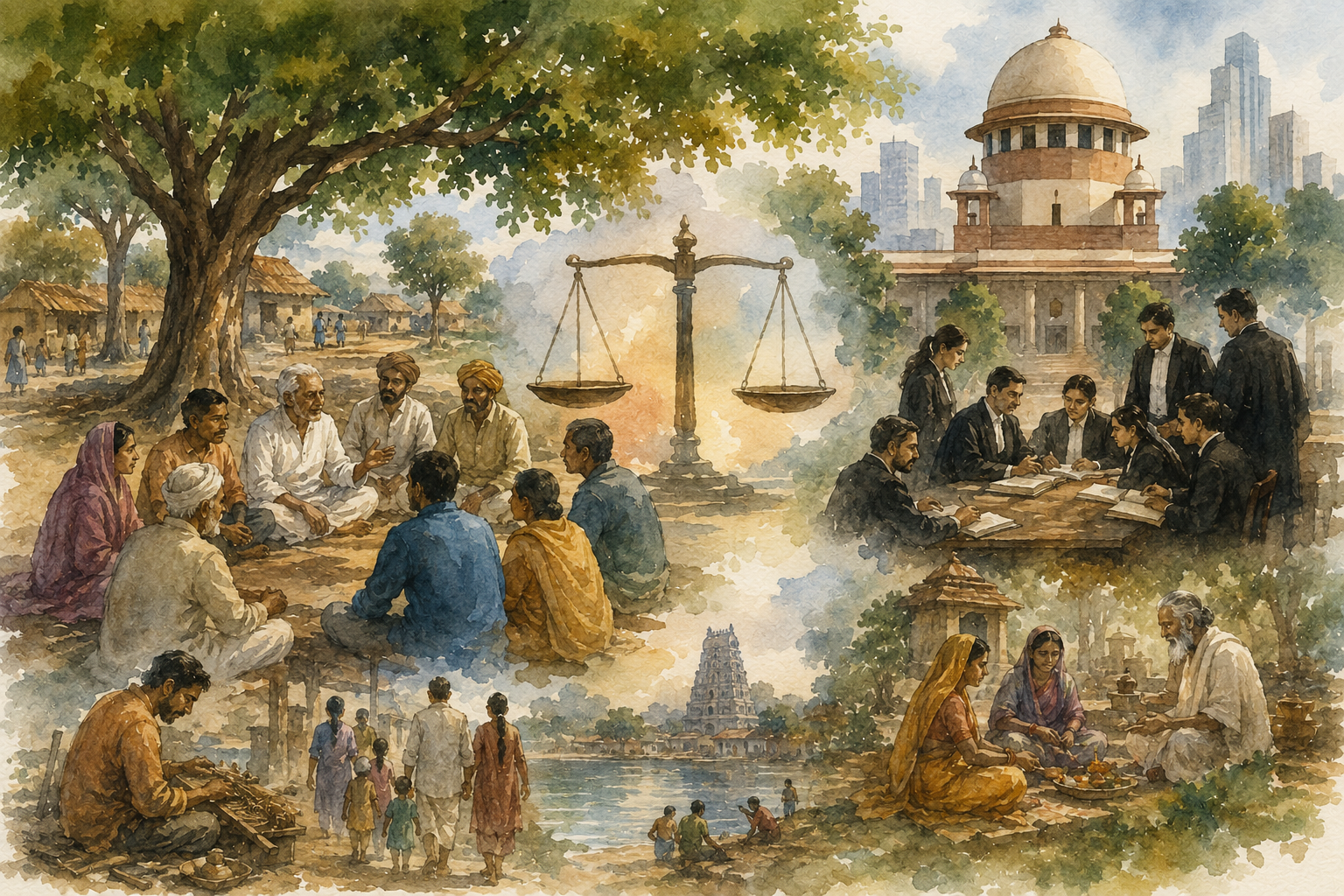
Beyond the Written Constitution What if the law of a society is larger than…
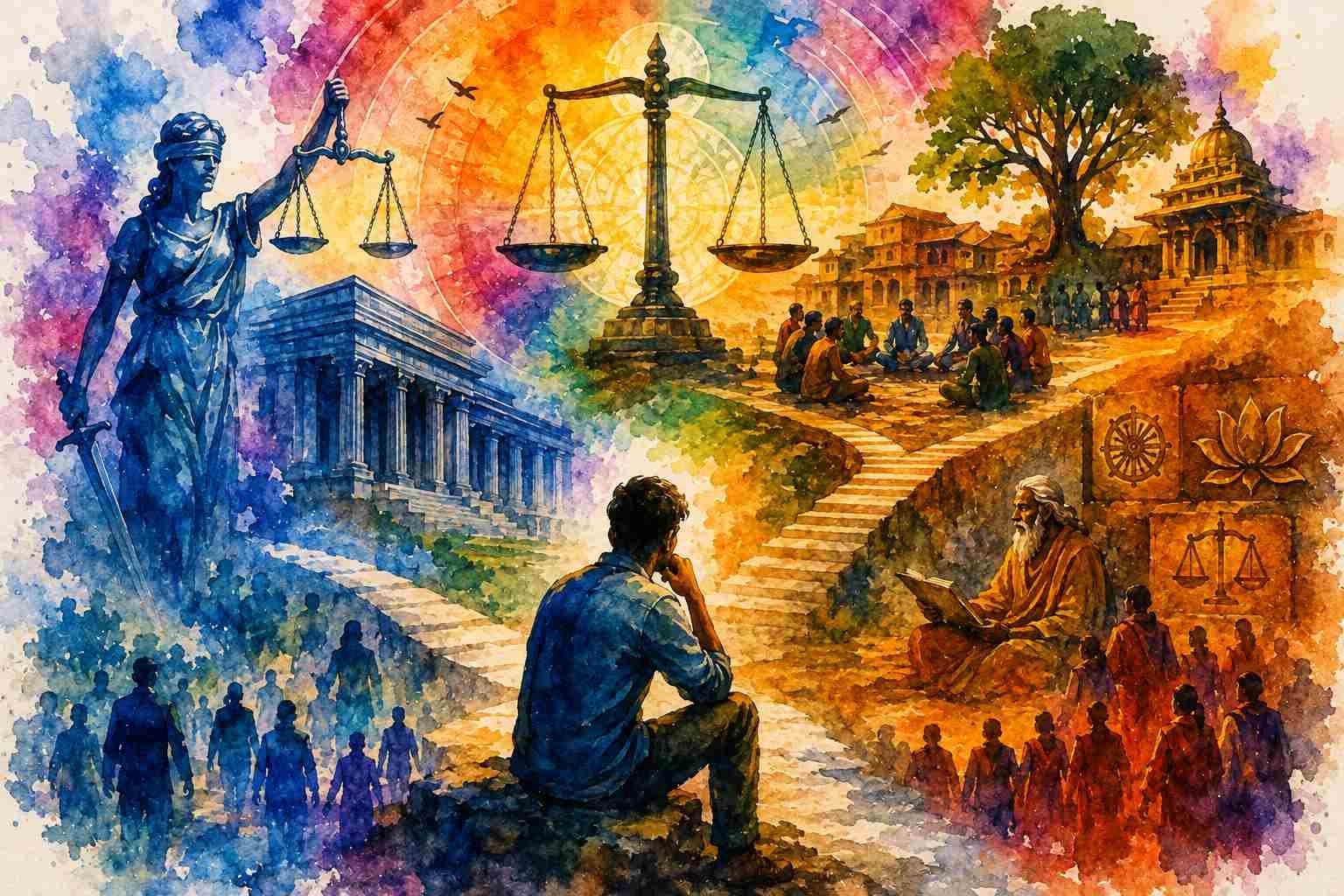
Rethinking Universal Ideas of Rights and Justice What happens when we ask a deceptively…
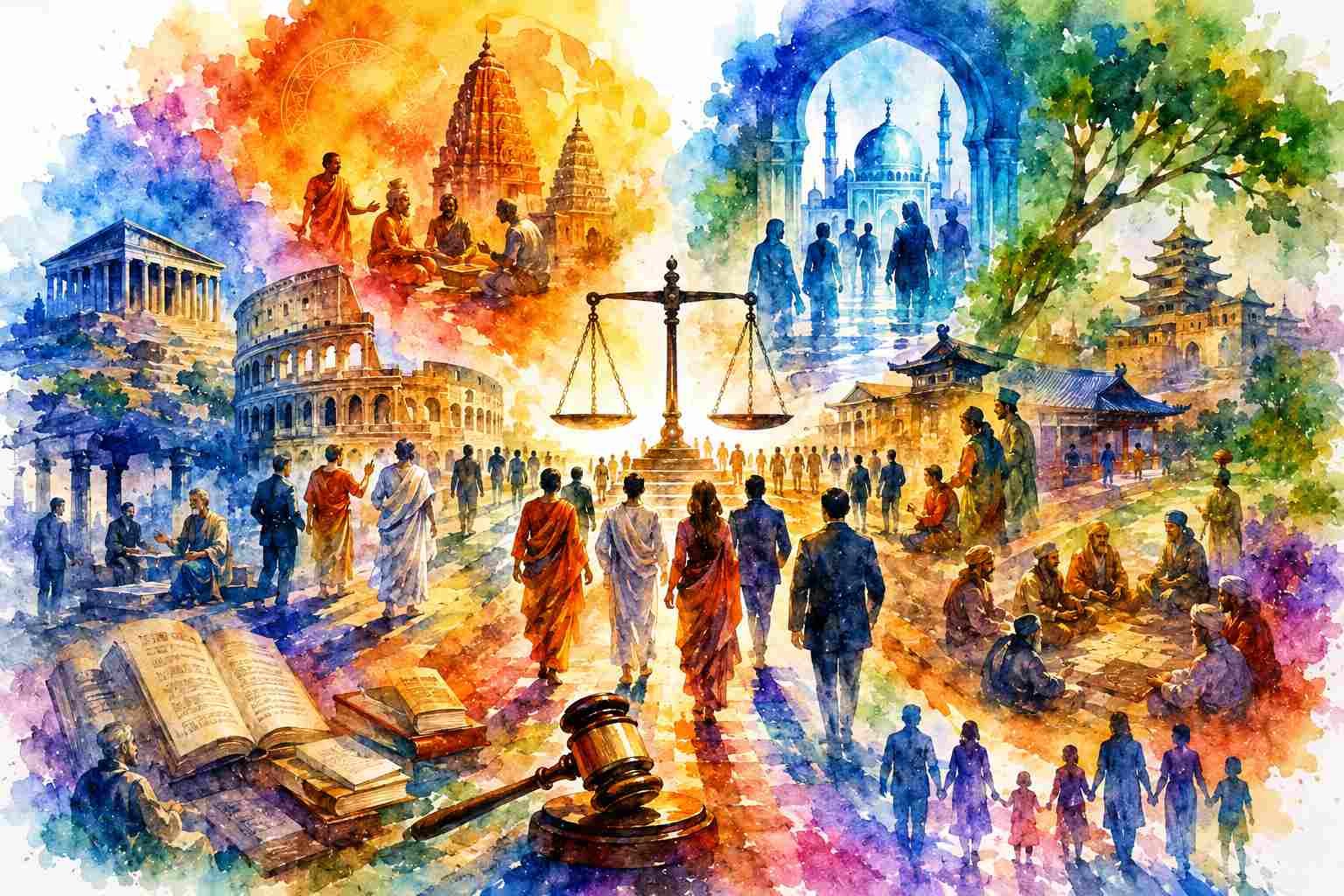
Beyond Rules, Courts and Legislation We usually begin the study of law with a deceptively…
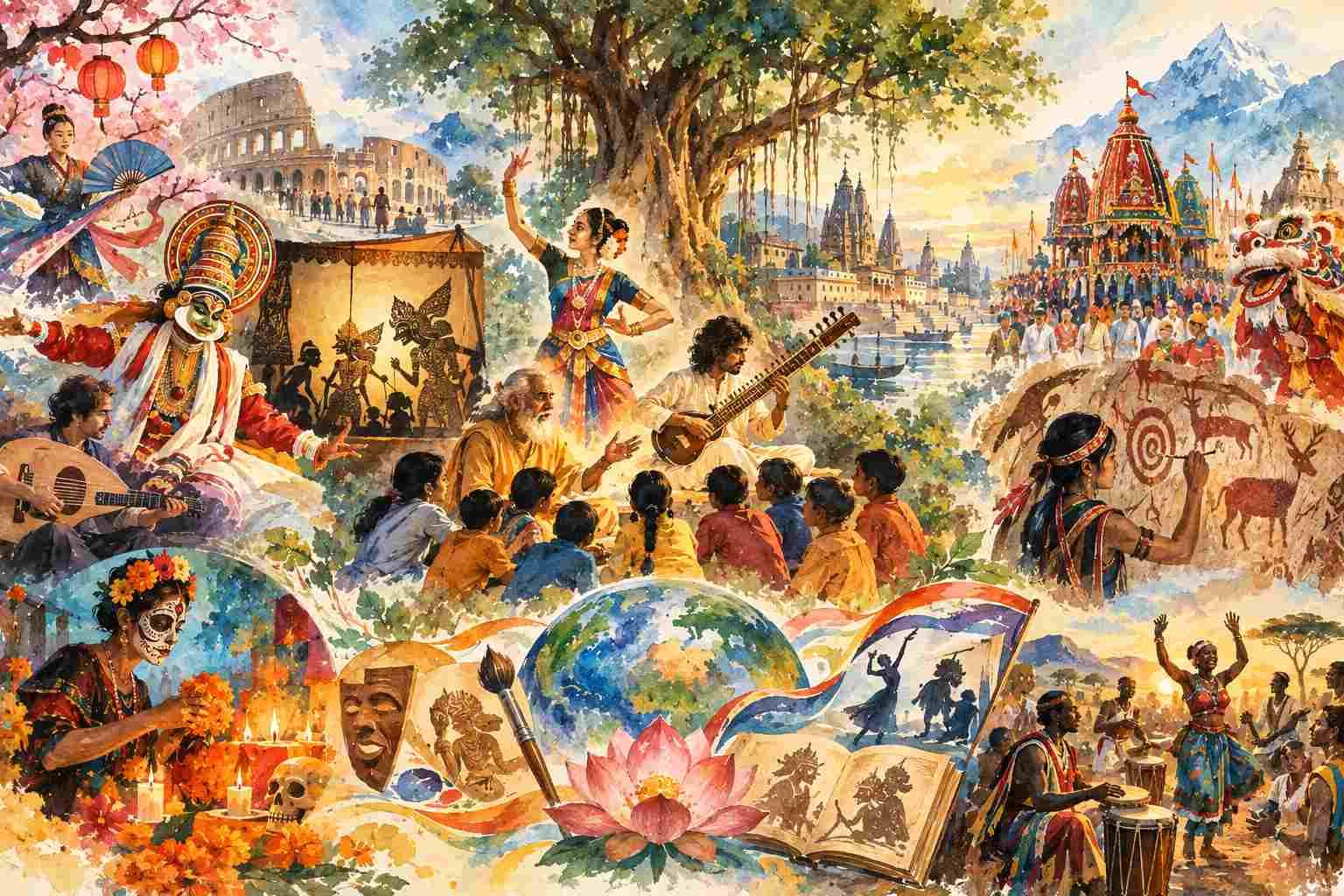
What does a society remember when it does not sit down to study its history?…
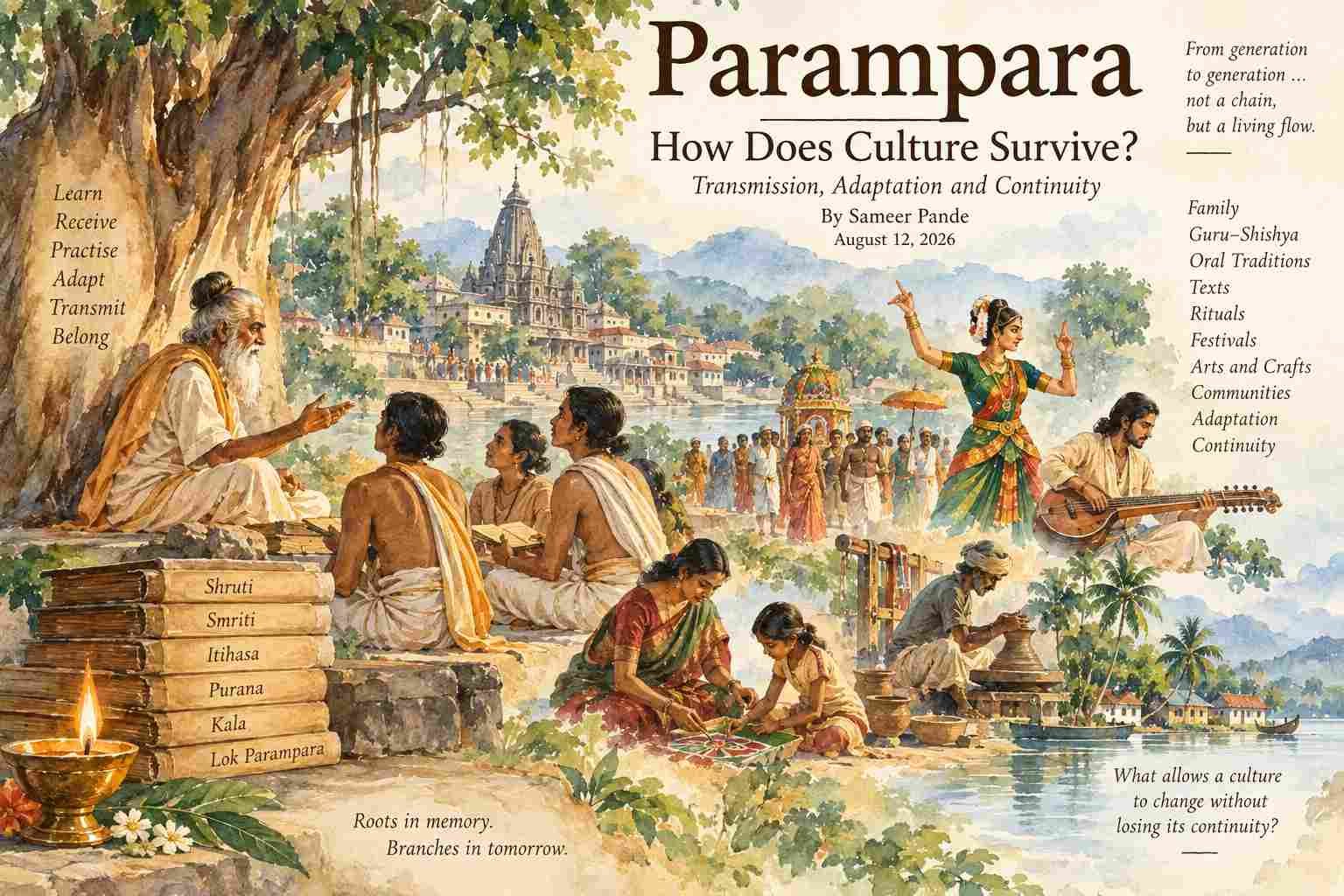
Transmission, Adaptation and Continuity What allows a culture to survive across generations? At first glance,…
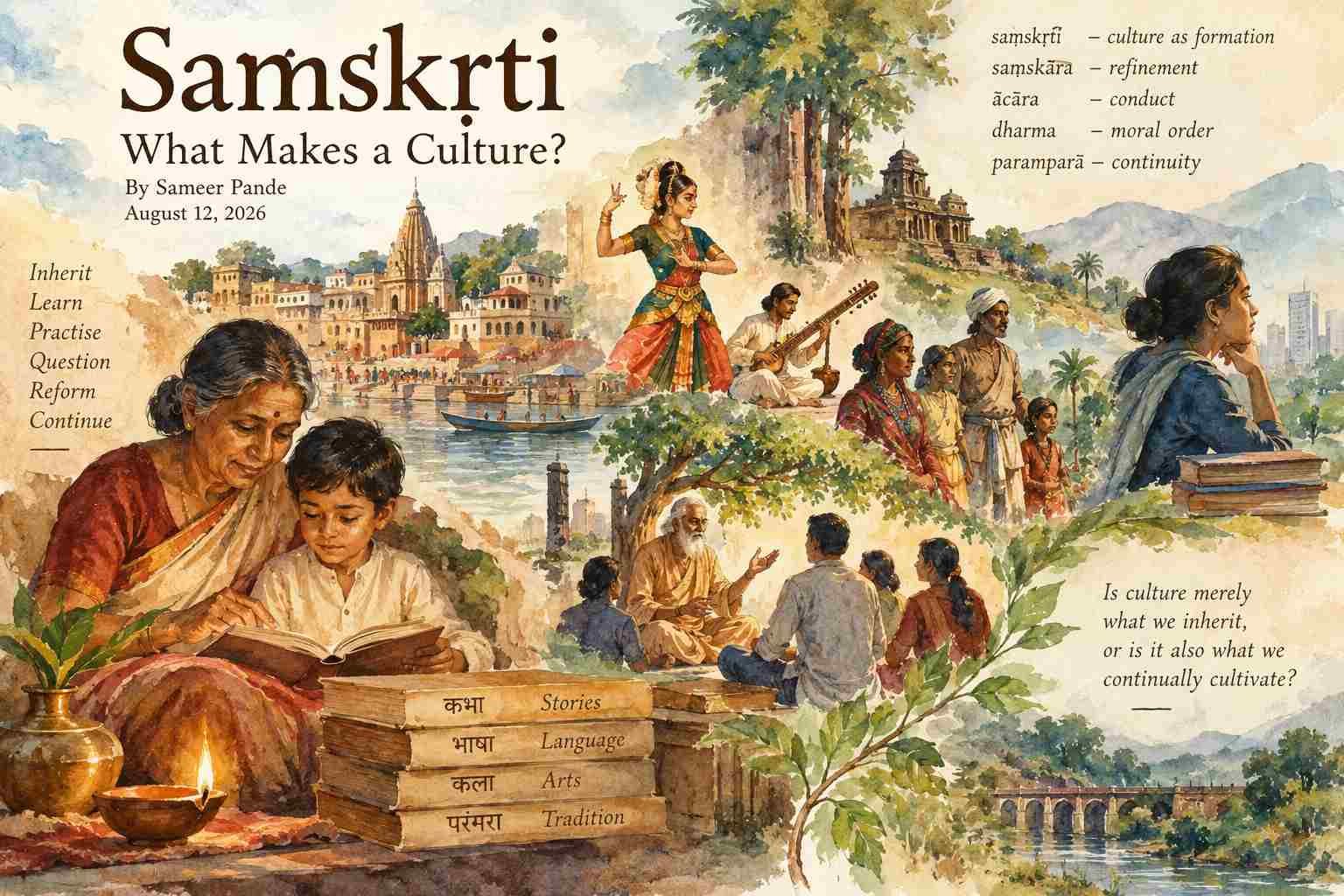
Culture as a Way of Life What does Saṃskṛti mean beyond the translation “culture”? If…
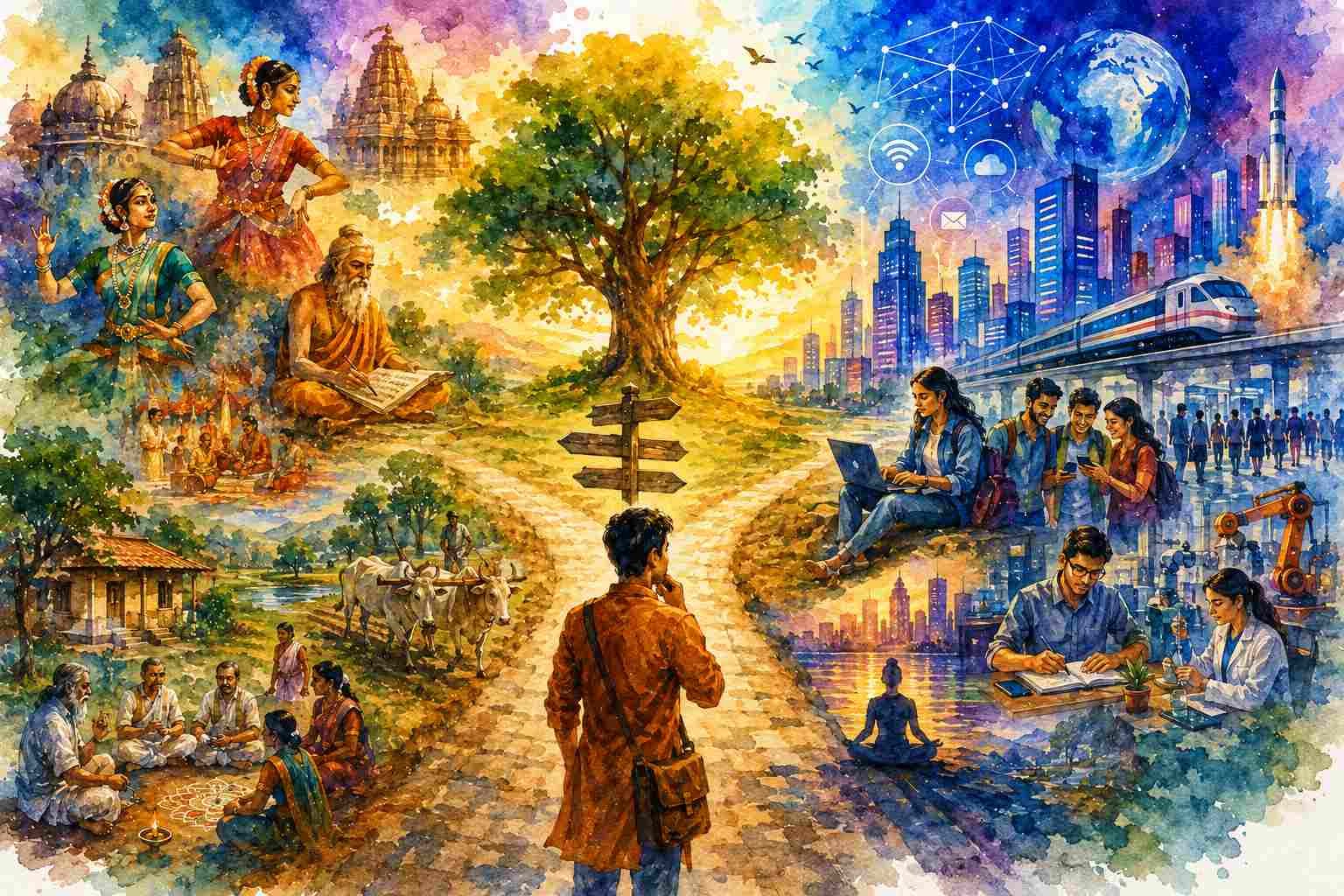
Rethinking Cultural Change Why do we so often speak about cultural change as if a…
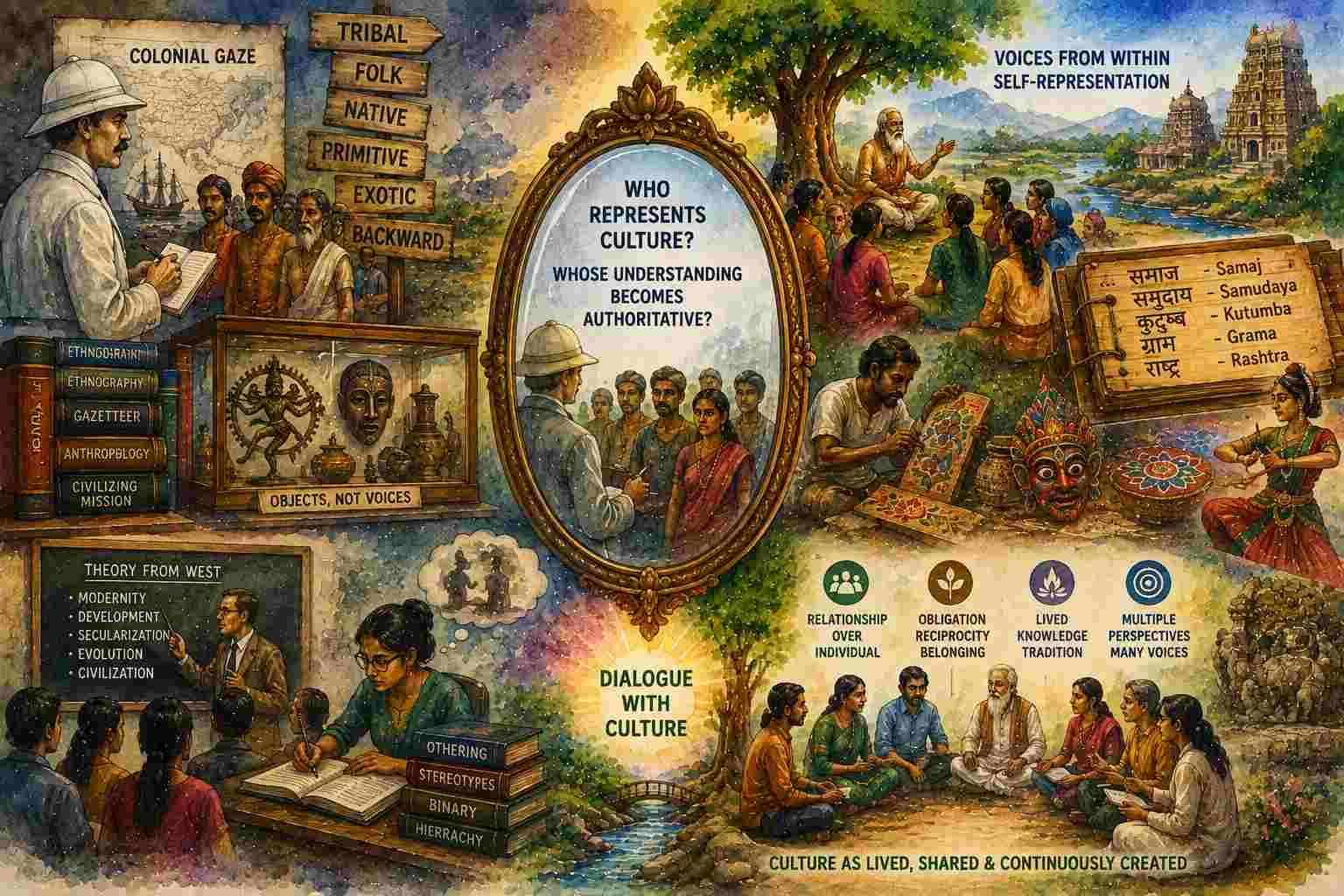
Power, Representation and the Making of the “Other” When a culture is described, who decides…
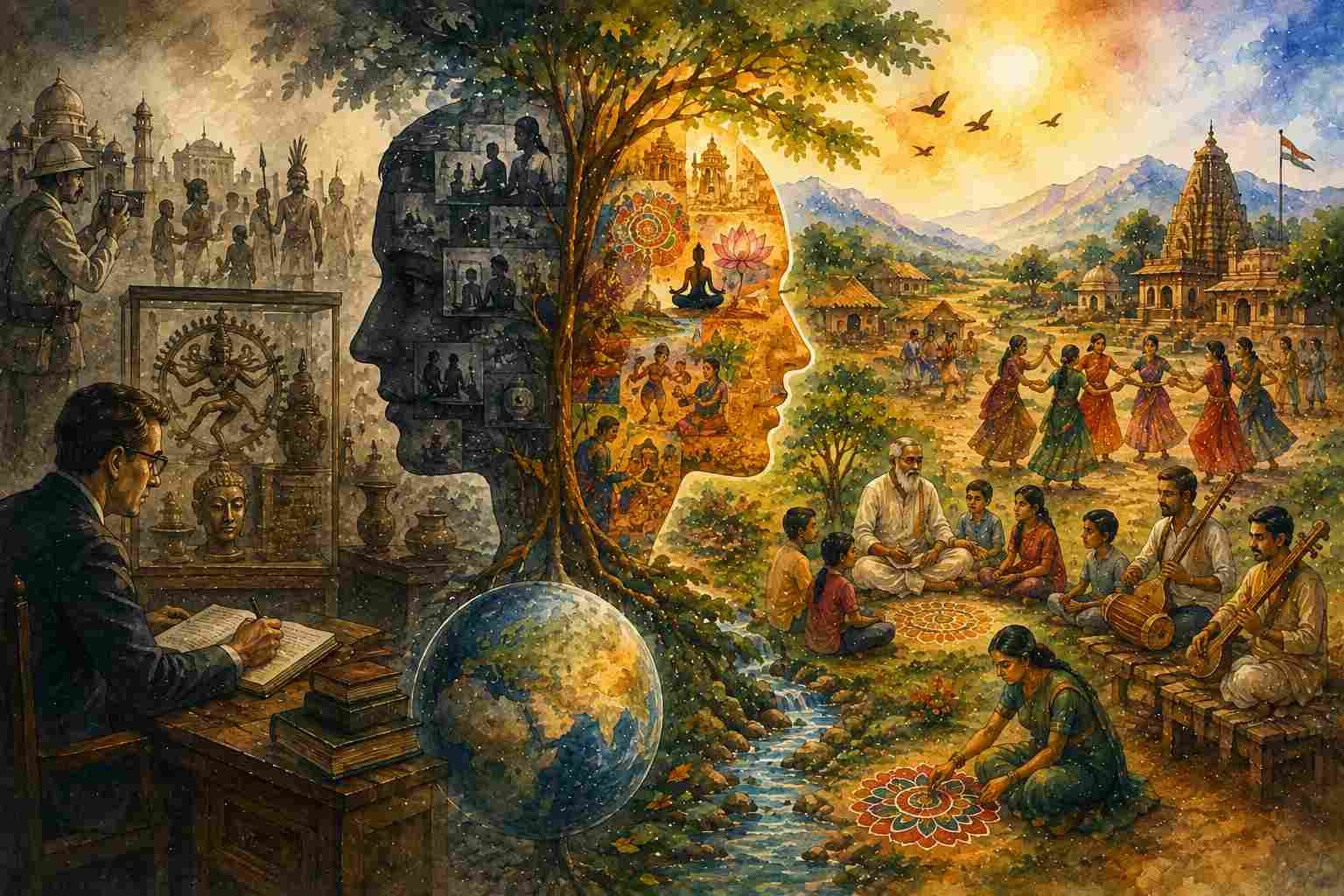
Rethinking What We Mean by Culture What do we mean when we say “culture”? I…
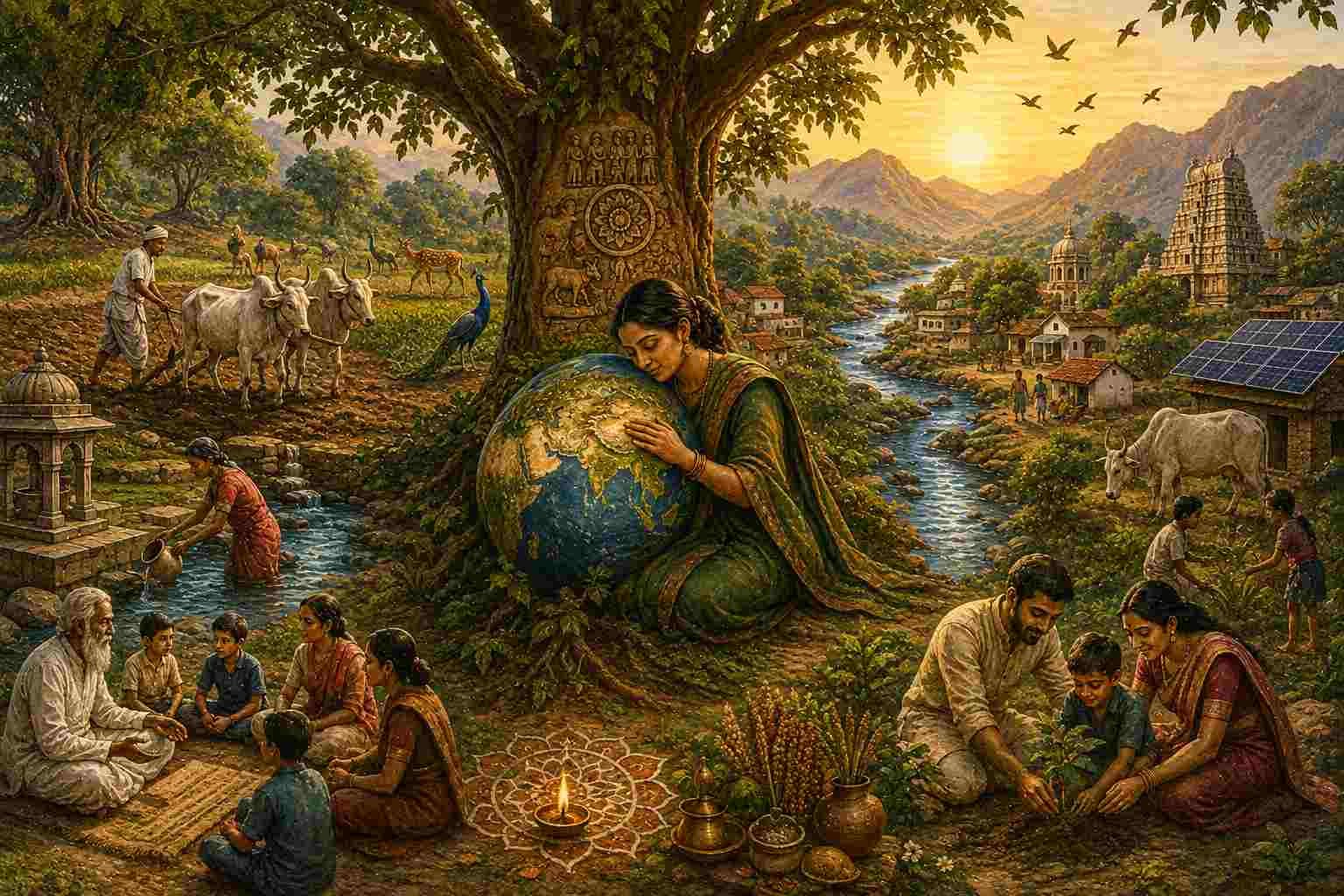
From Ownership to Stewardship What does it mean to live on the Earth? Modern environmental…
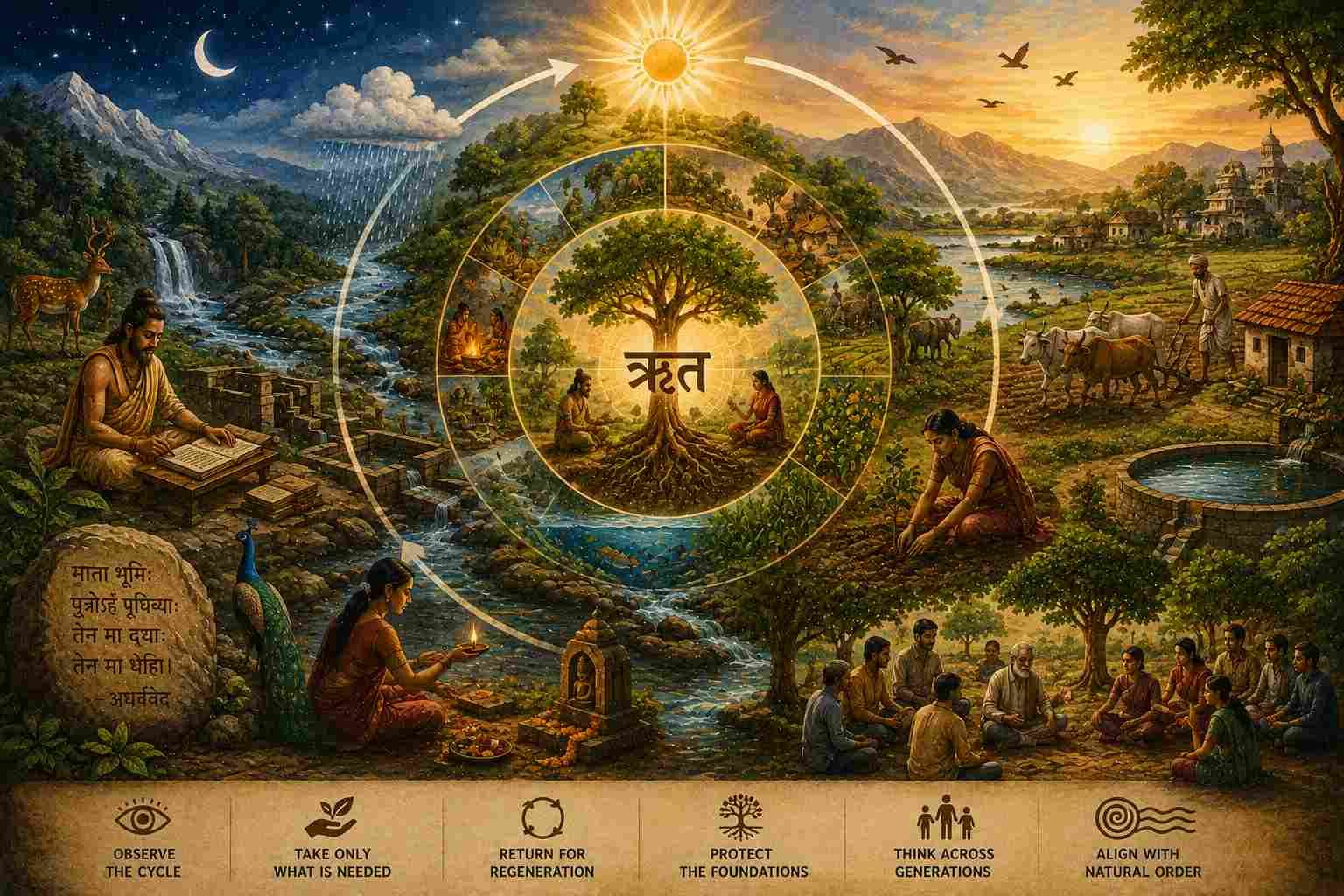
Ecology, Reciprocity and Balance What if ecology is not merely the study of nature, but…
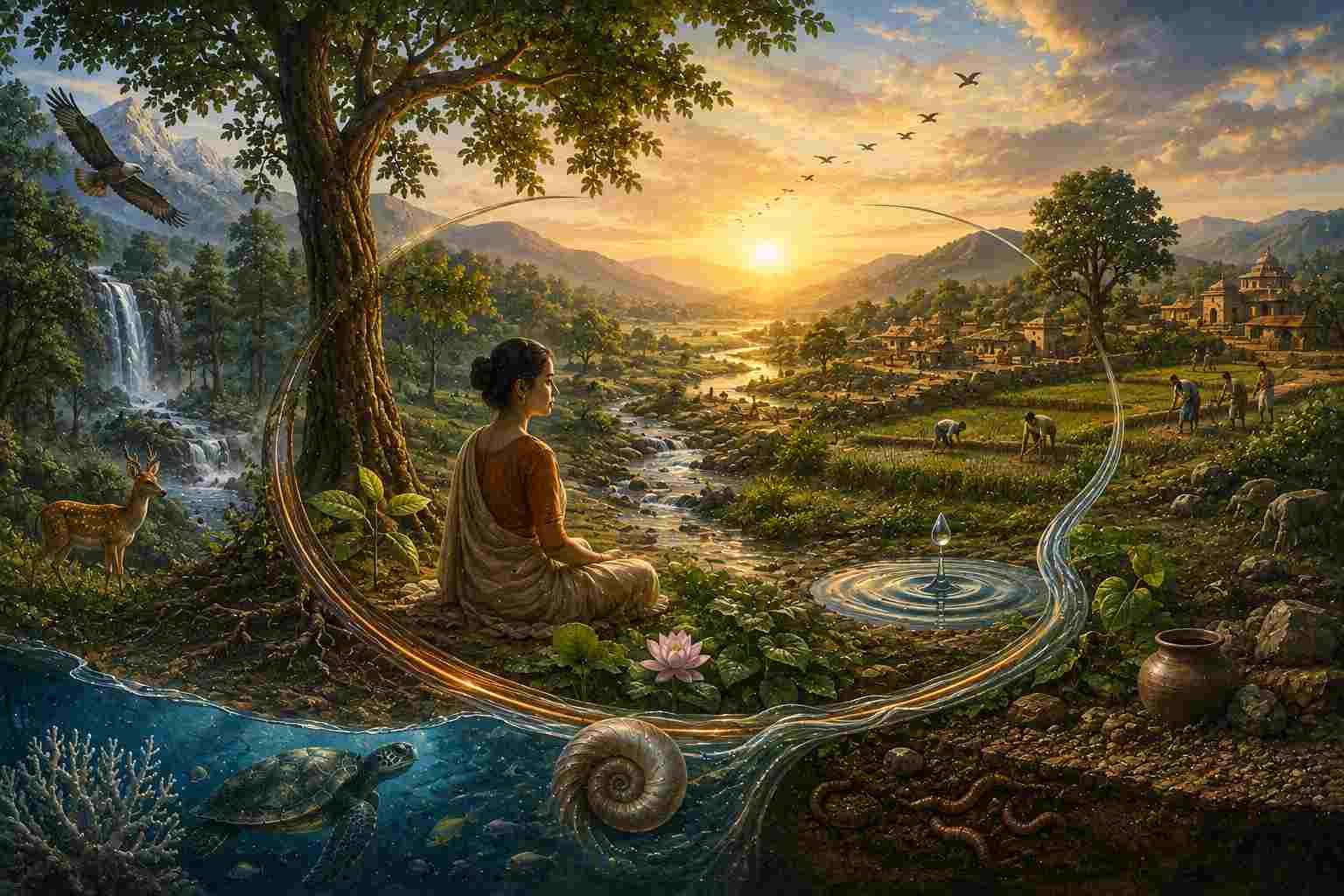
Beyond “Environment” What changes when nature is not understood as something outside us, but as…
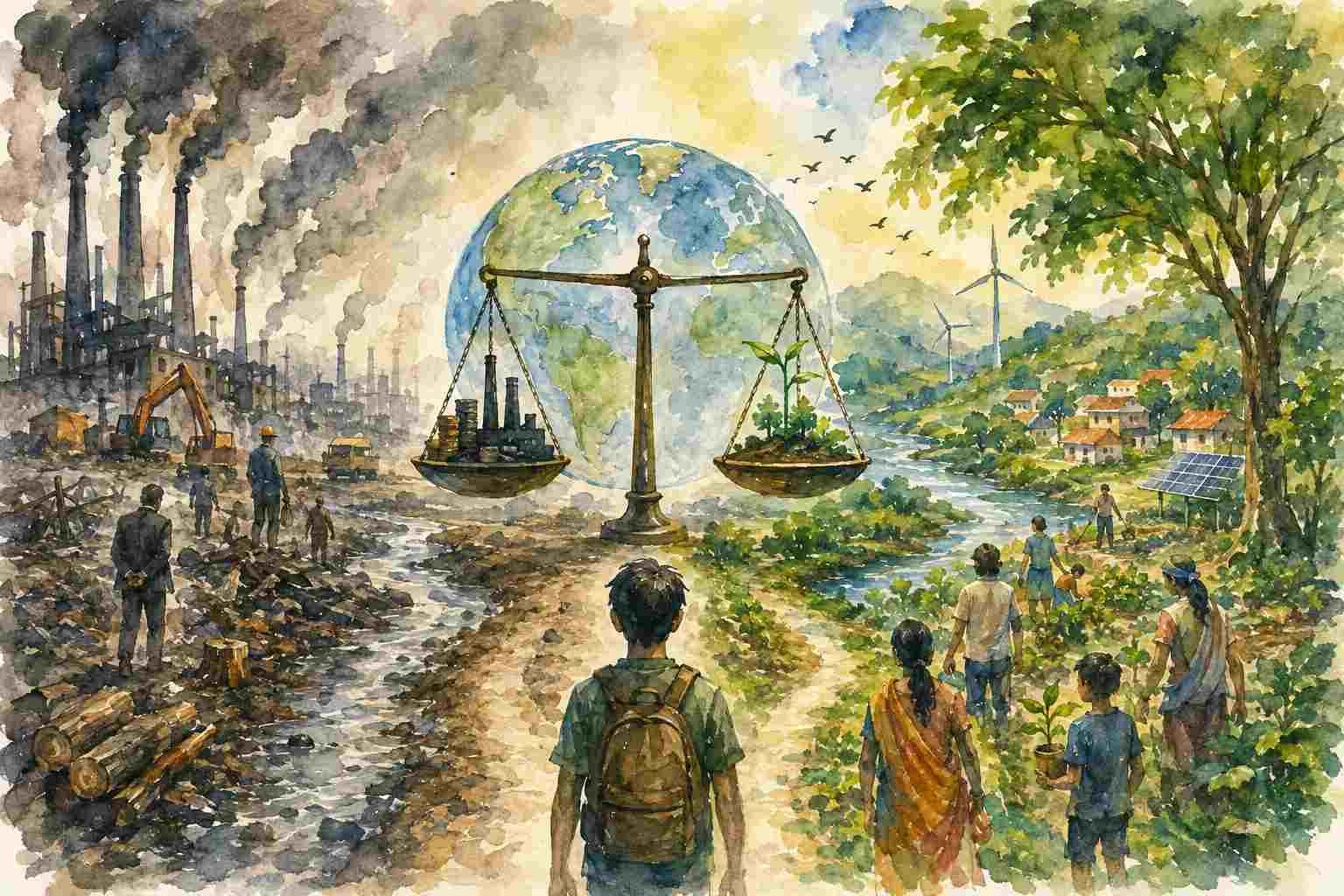
Beyond Growth, Green Labels and Environmental Management “Sustainable development” sounds like one of the least…
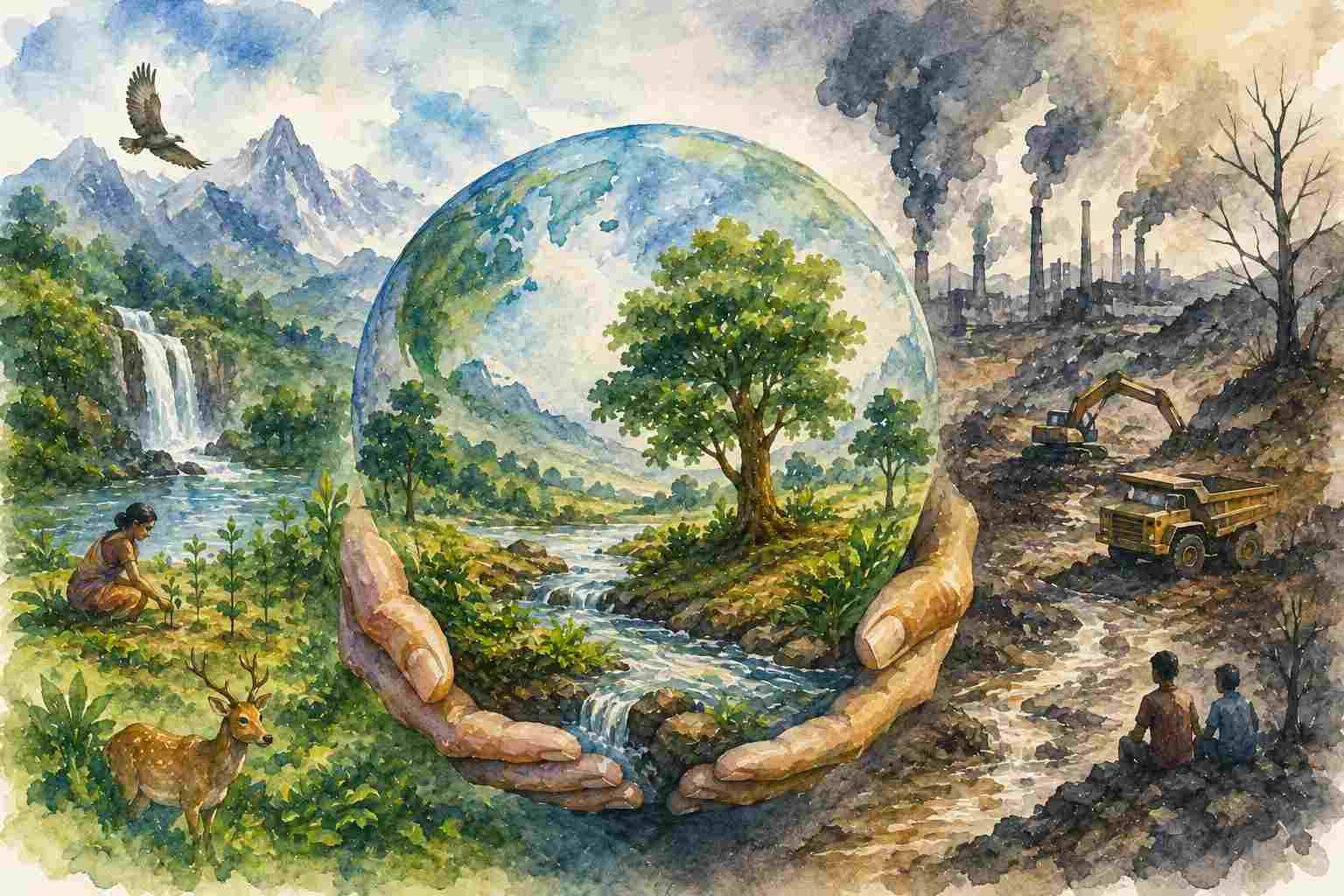
From Extraction to Ecological Responsibility Environmental Studies usually introduces resources through a seemingly simple classification.…
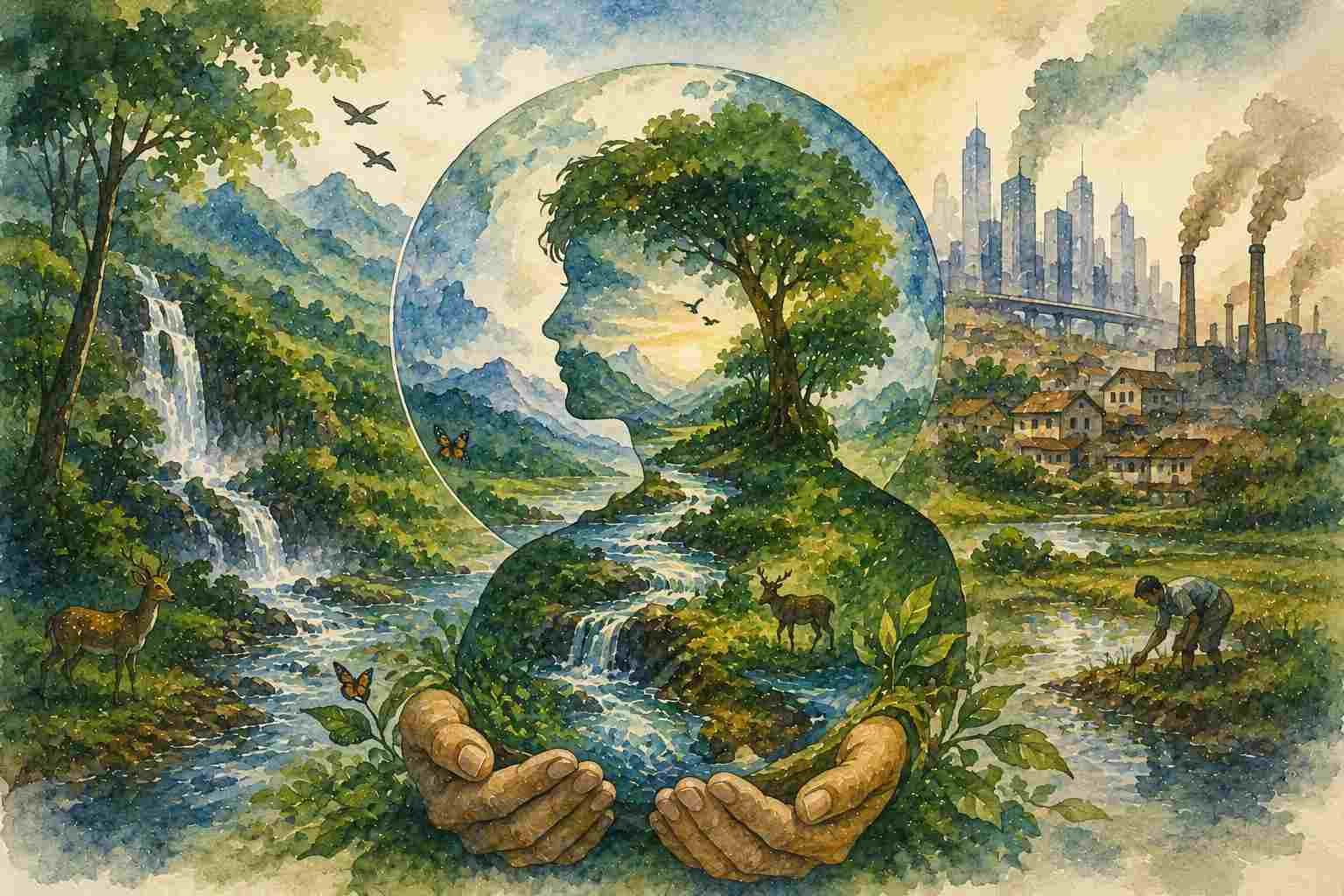
Beyond the Human–Nature Divide One of the strangest features of modern Environmental Studies is that…
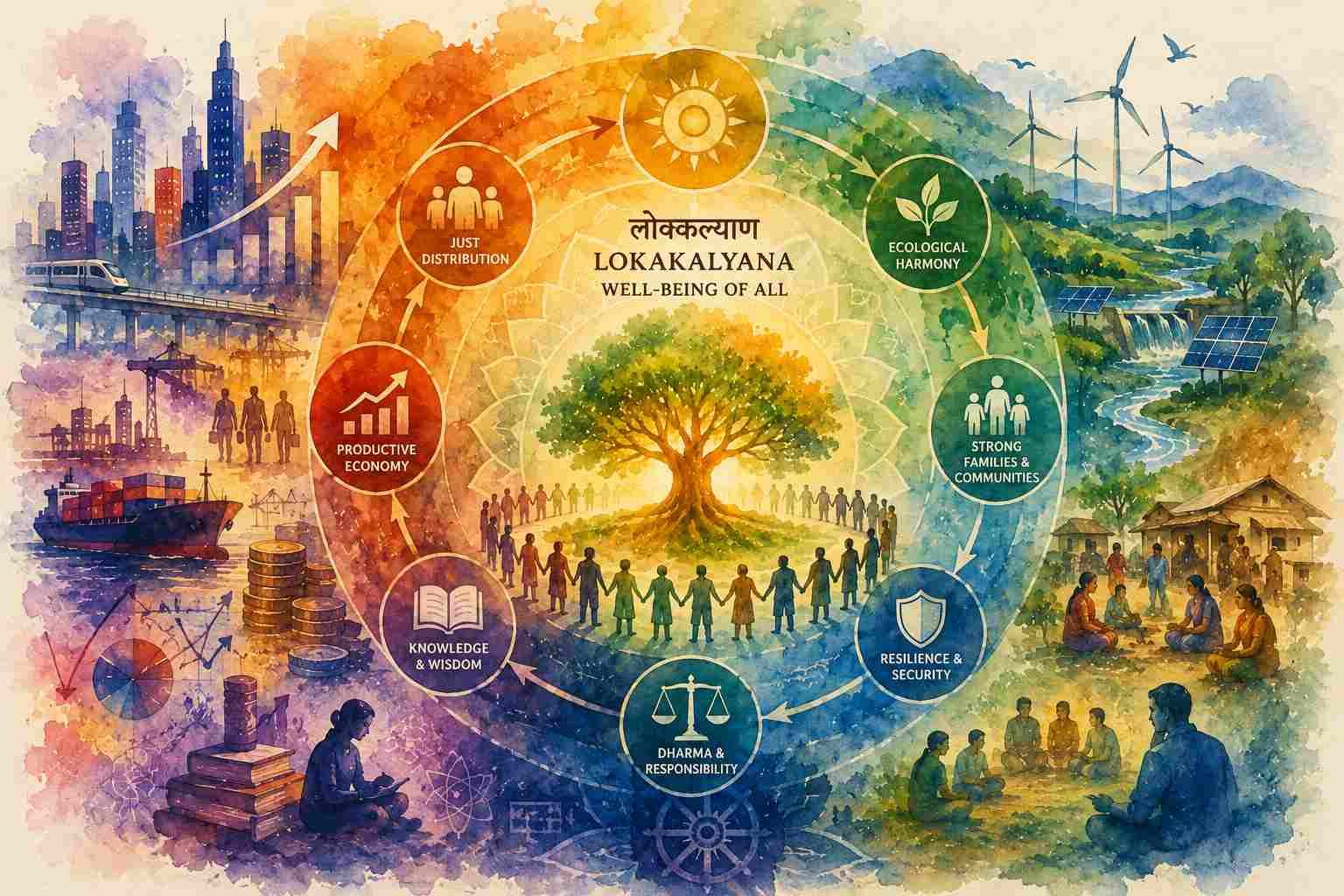
From Economic Growth to Shared Well-being What is the point of having a prosperous economy…
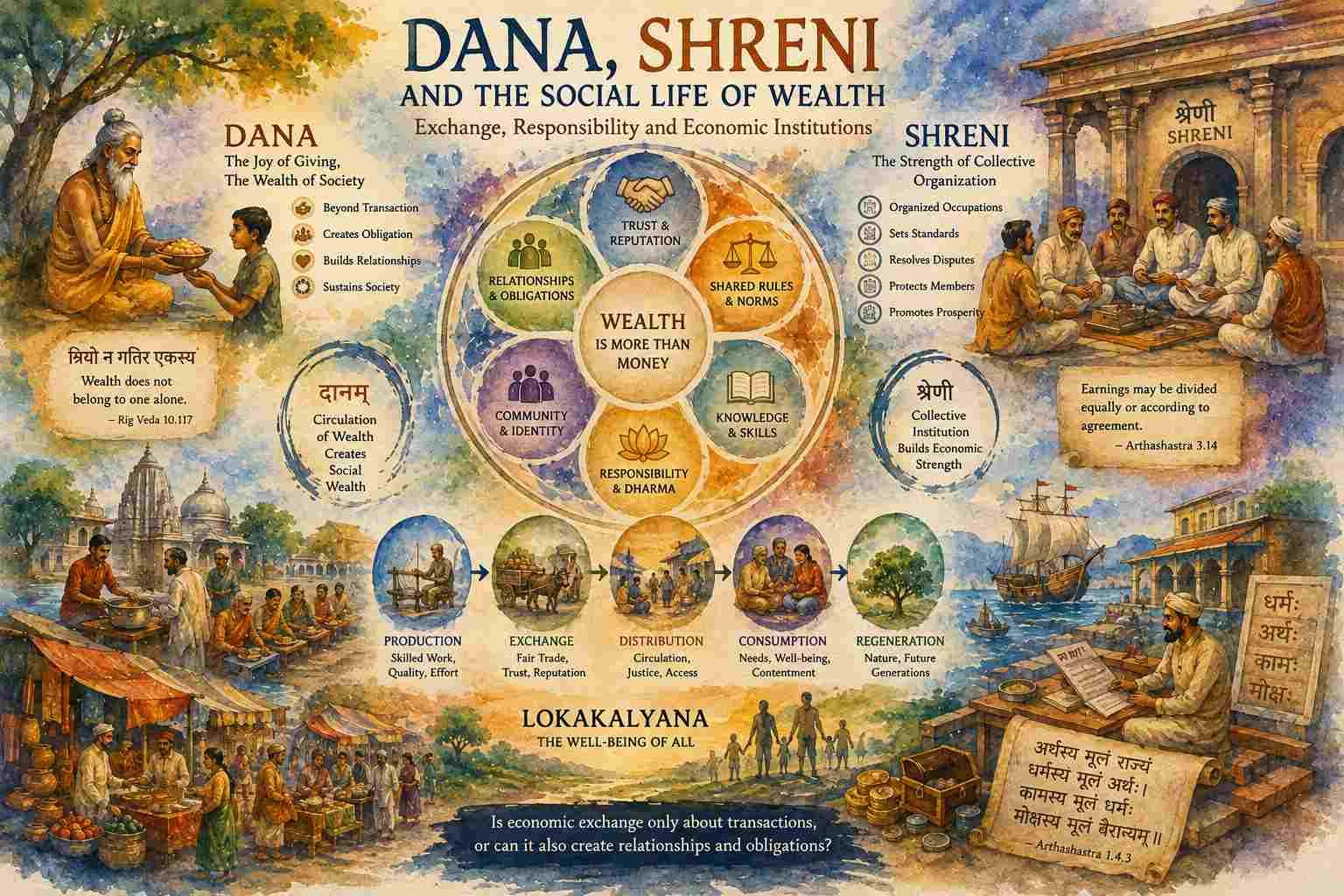
Exchange, Responsibility and Economic Institutions What happens to our understanding of an economy when we…
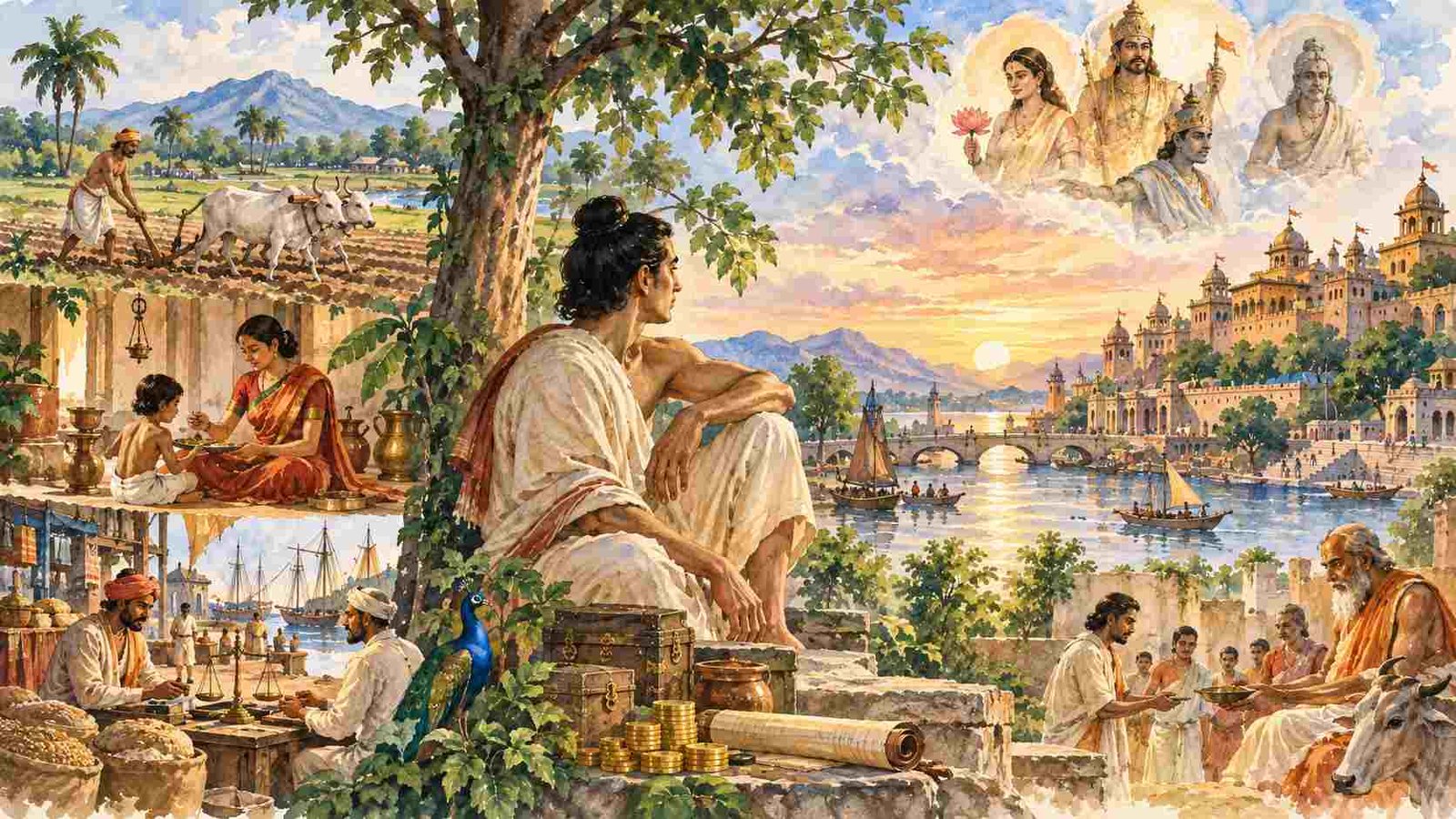
Wealth Within a Larger Purpose When we speak of artha today, the first translation that…
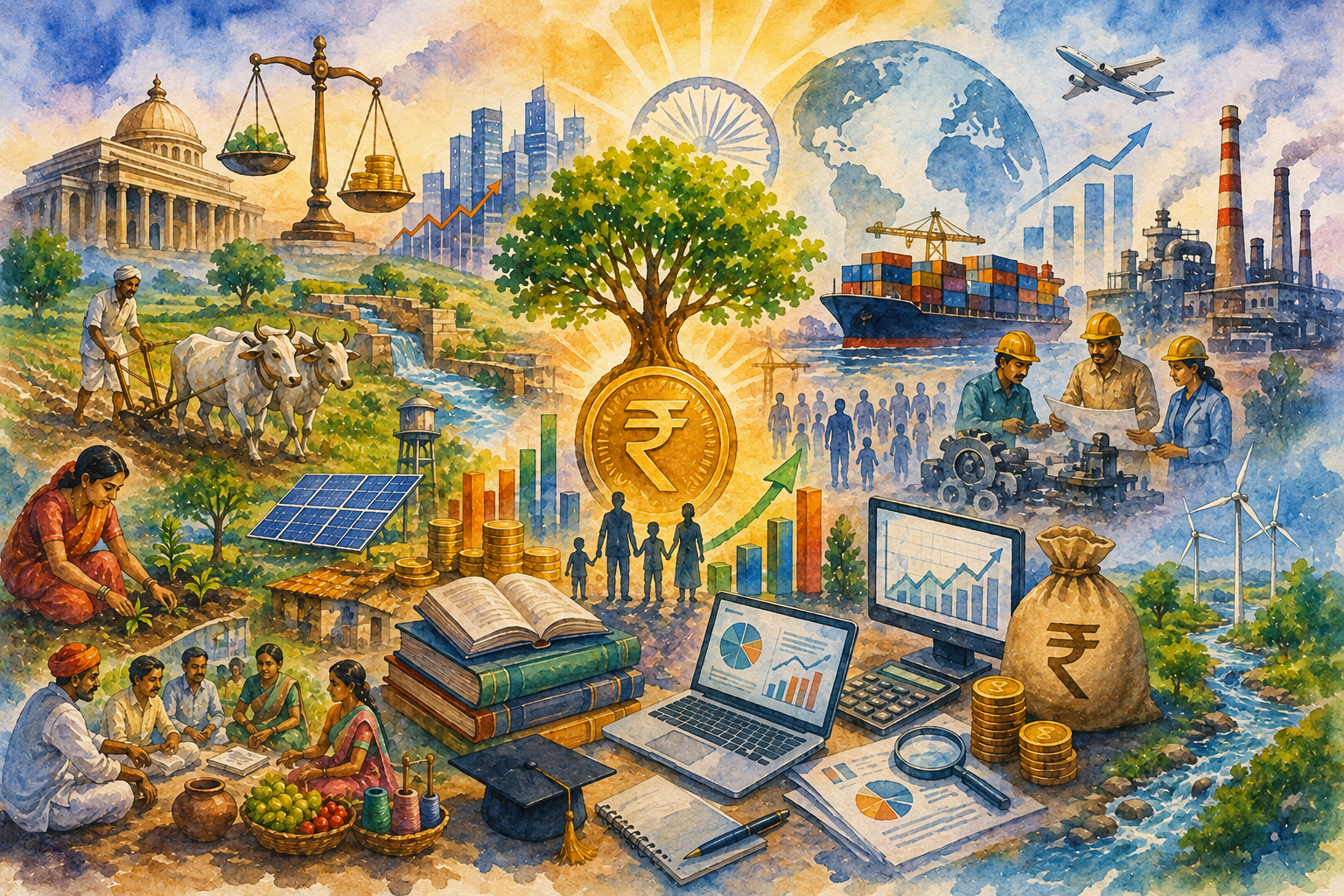
Beyond Income and Accumulation What does it actually mean for a society to become wealthy?…
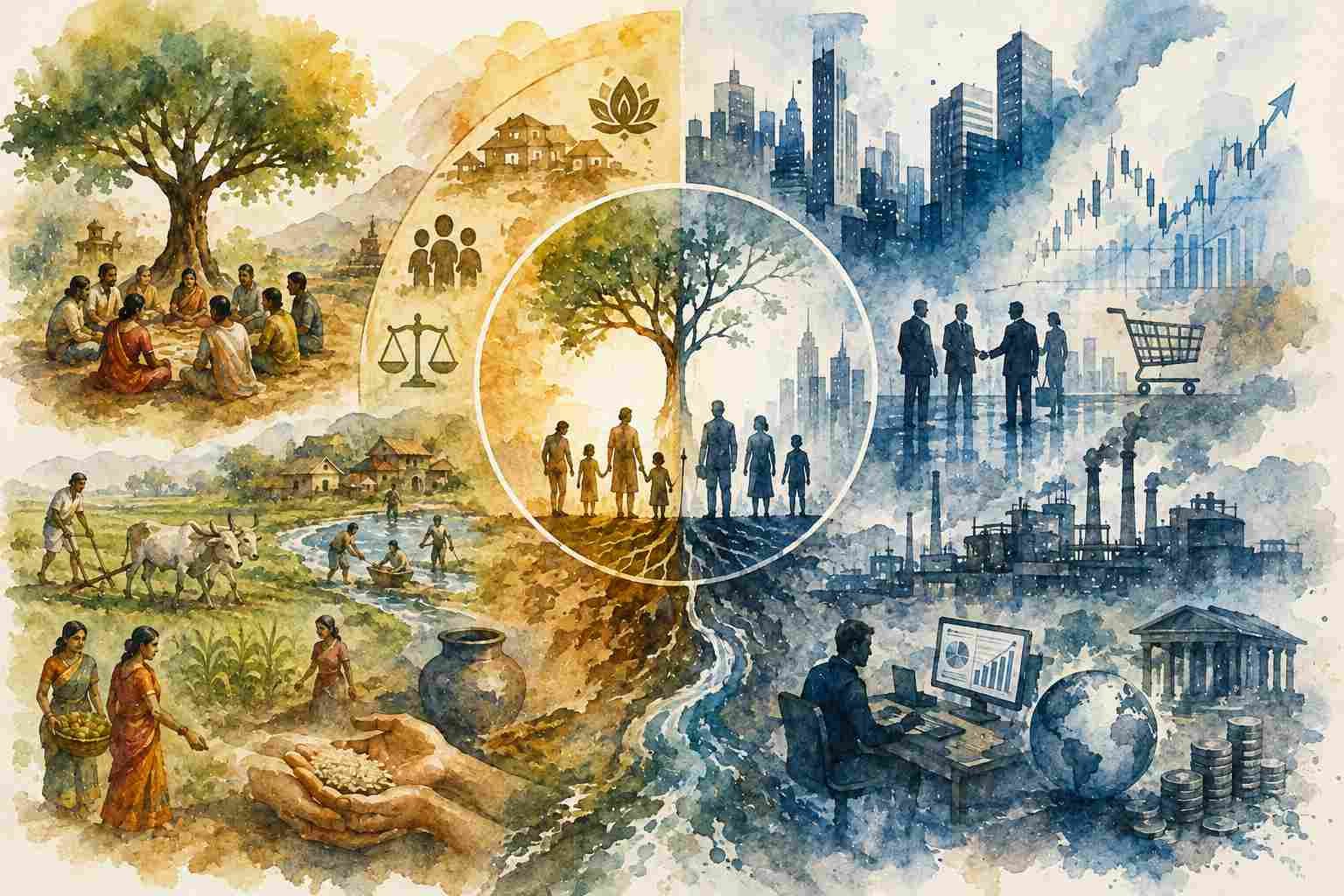
Beyond Markets, Money and GDP If we know that the market captures only a part…
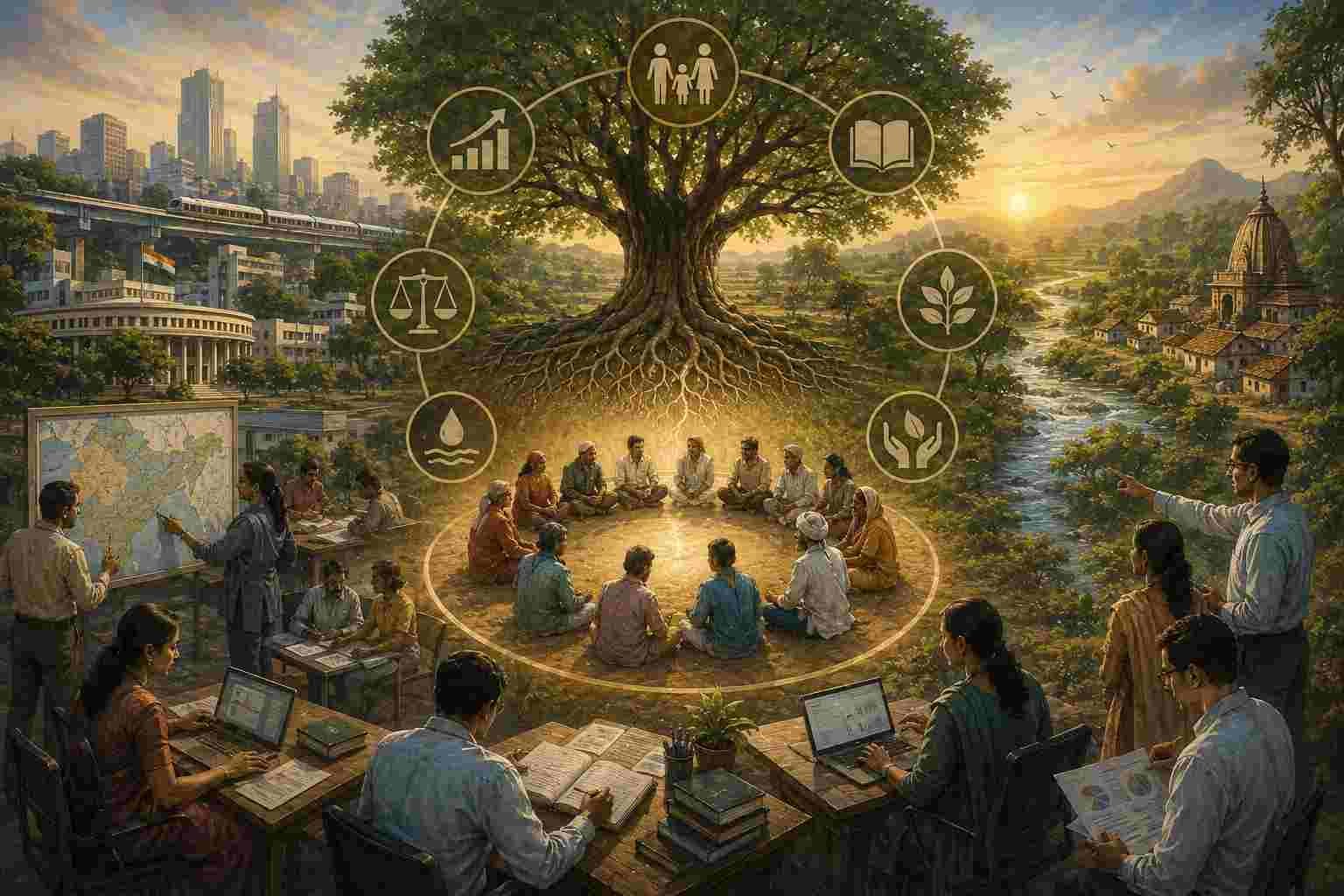
Beyond Efficiency, Delivery and Administrative Success Public Administration has become increasingly skilled at measuring what…
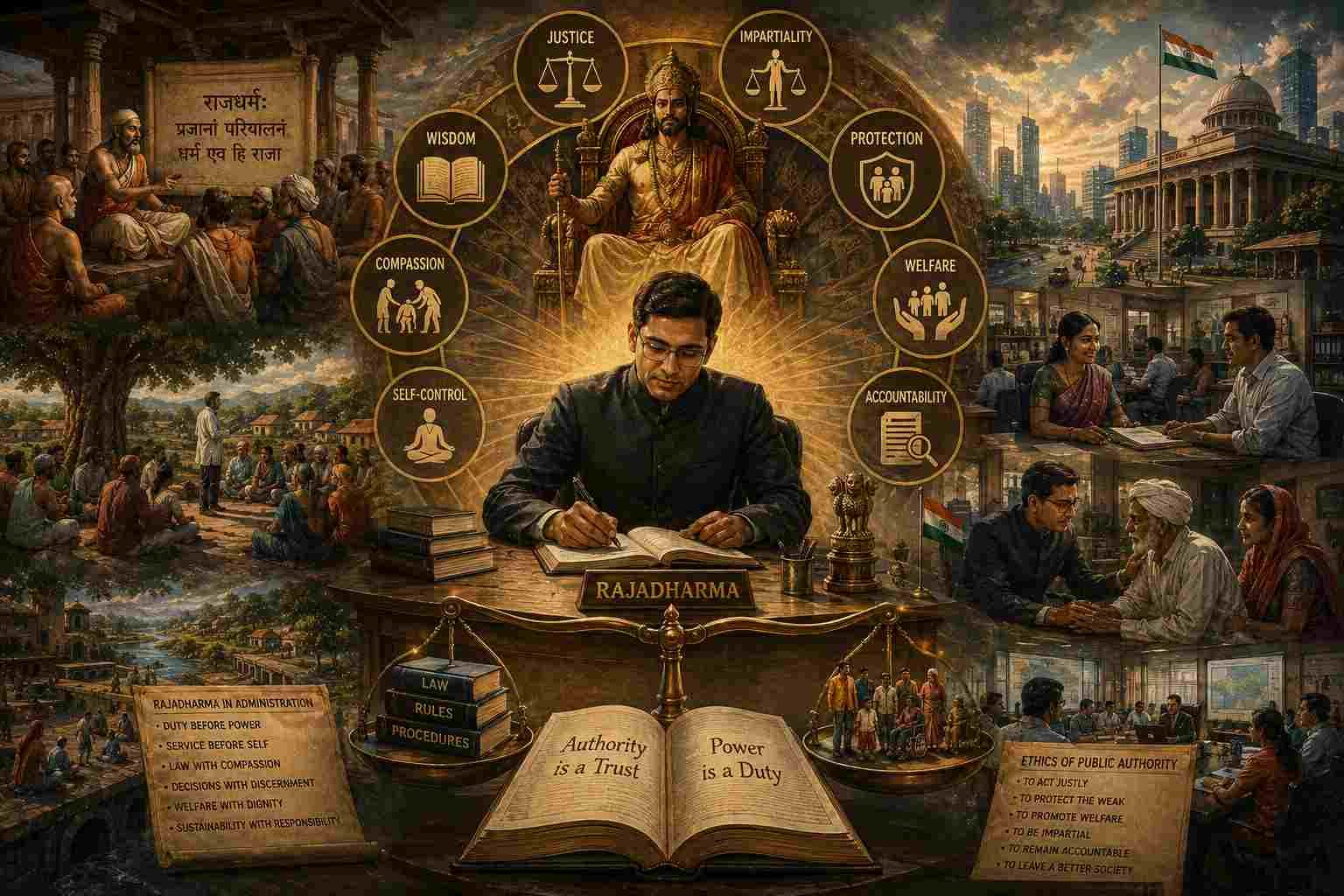
When Authority Becomes a Duty Public Administration teaches us how authority is organised, delegated and…
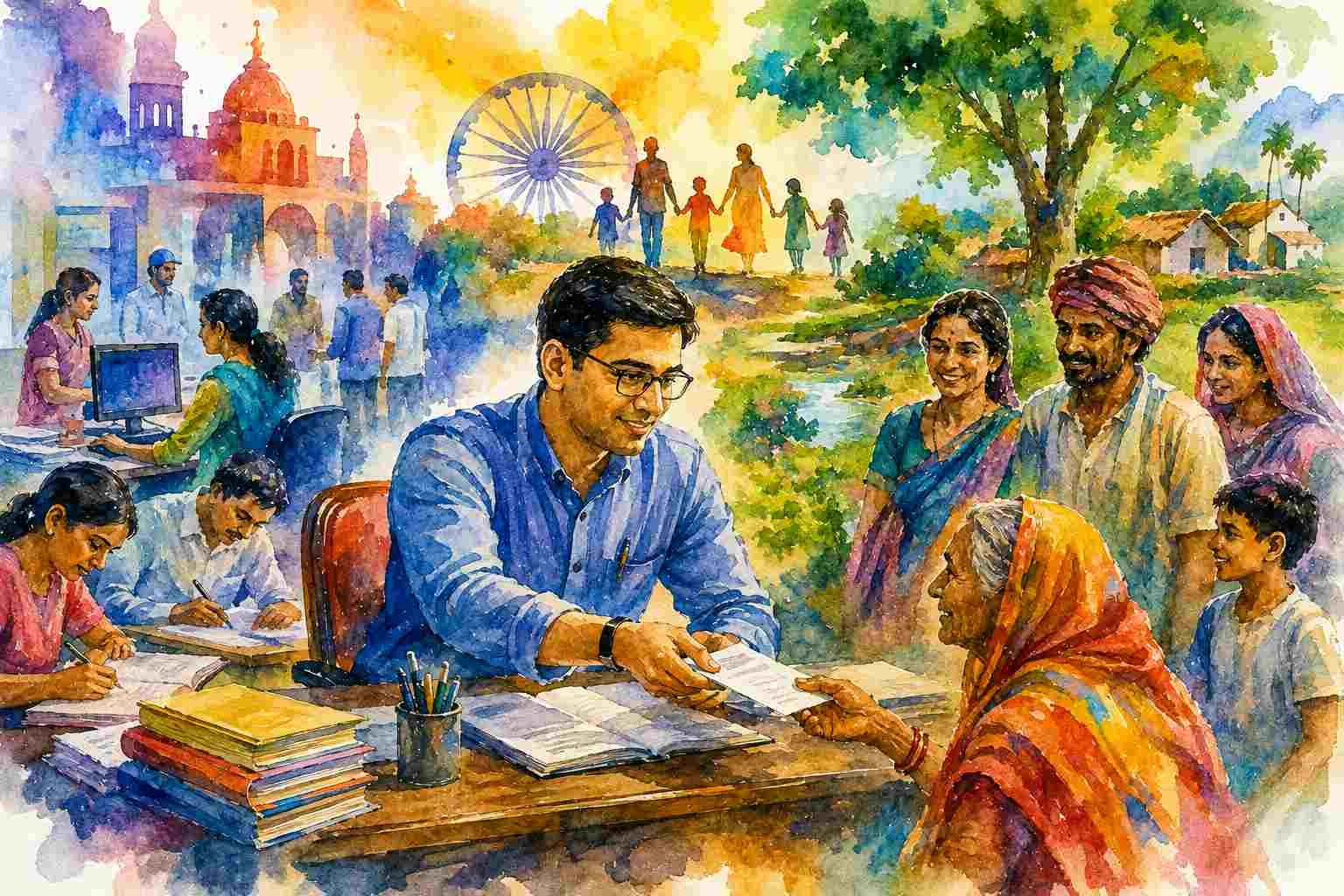
When Administration Is Understood as Service Rather Than Power The phrase public service is so…
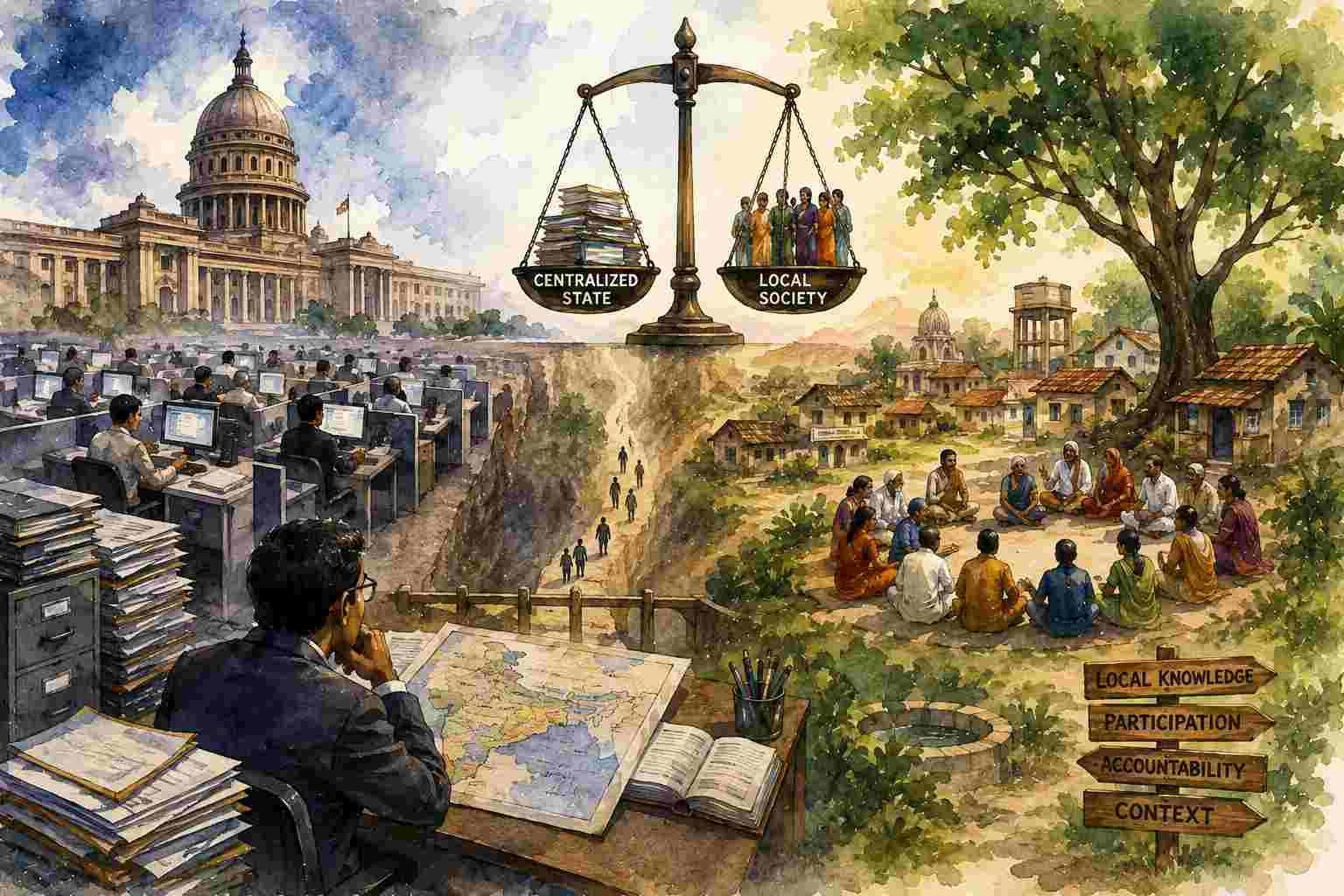
Rethinking the Architecture of Administration Public Administration emerged as a discipline alongside the rise of…
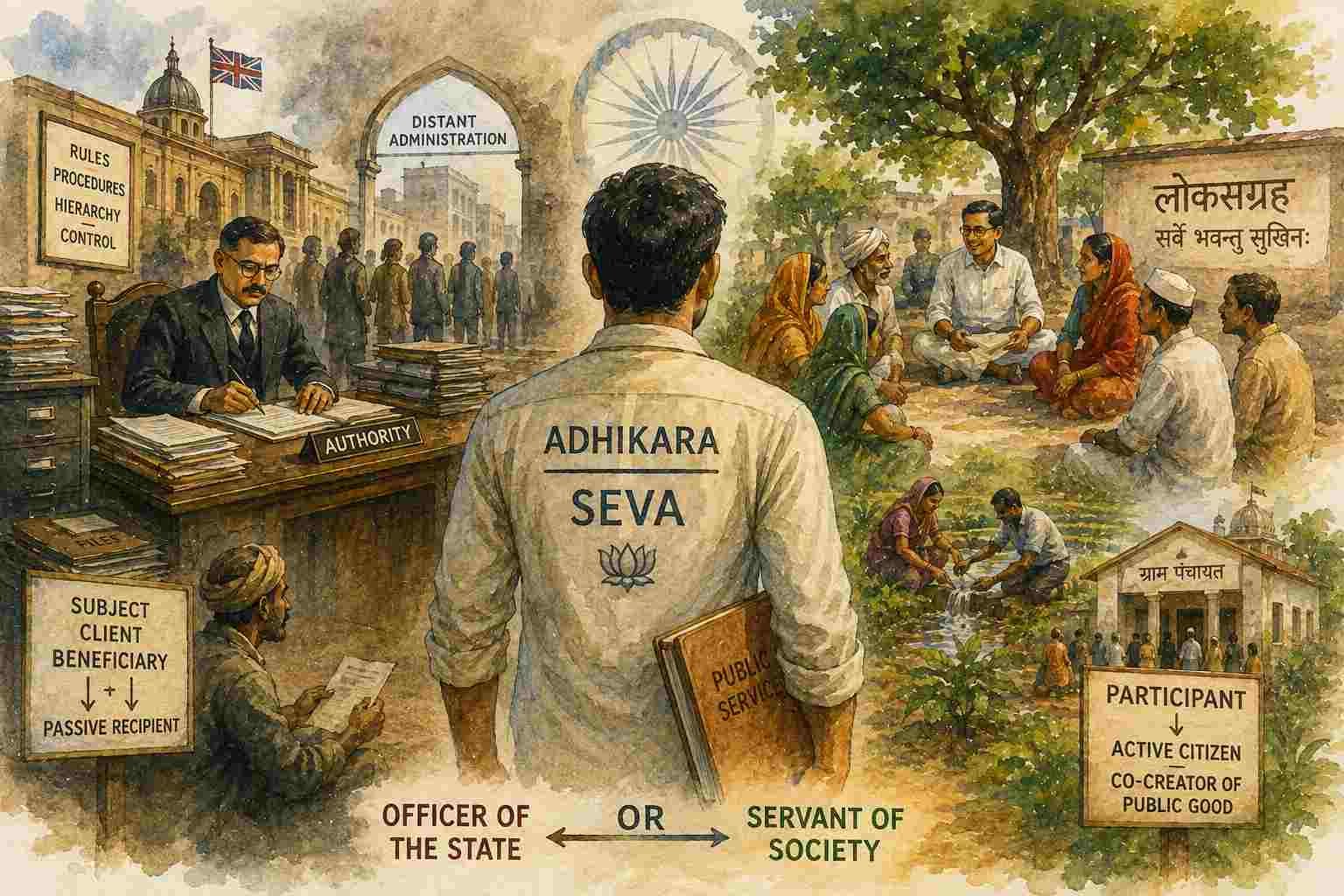
From Bureaucrat to Sevak One of the most revealing features of Public Administration is the…
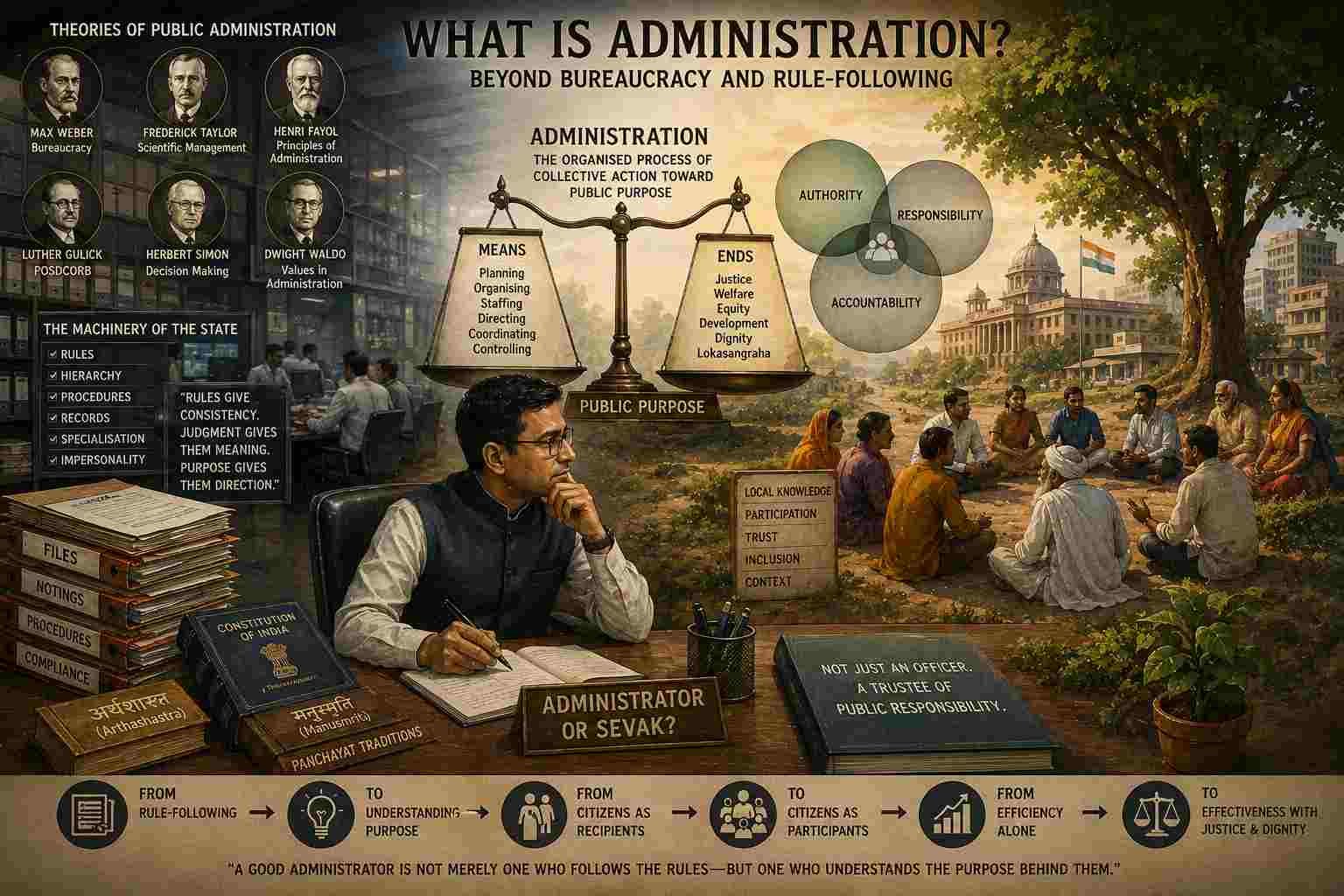
Public Administration Beyond Bureaucracy Dharma, Lokasaṅgraha and the Indic Theory of Administration Administration Is More…
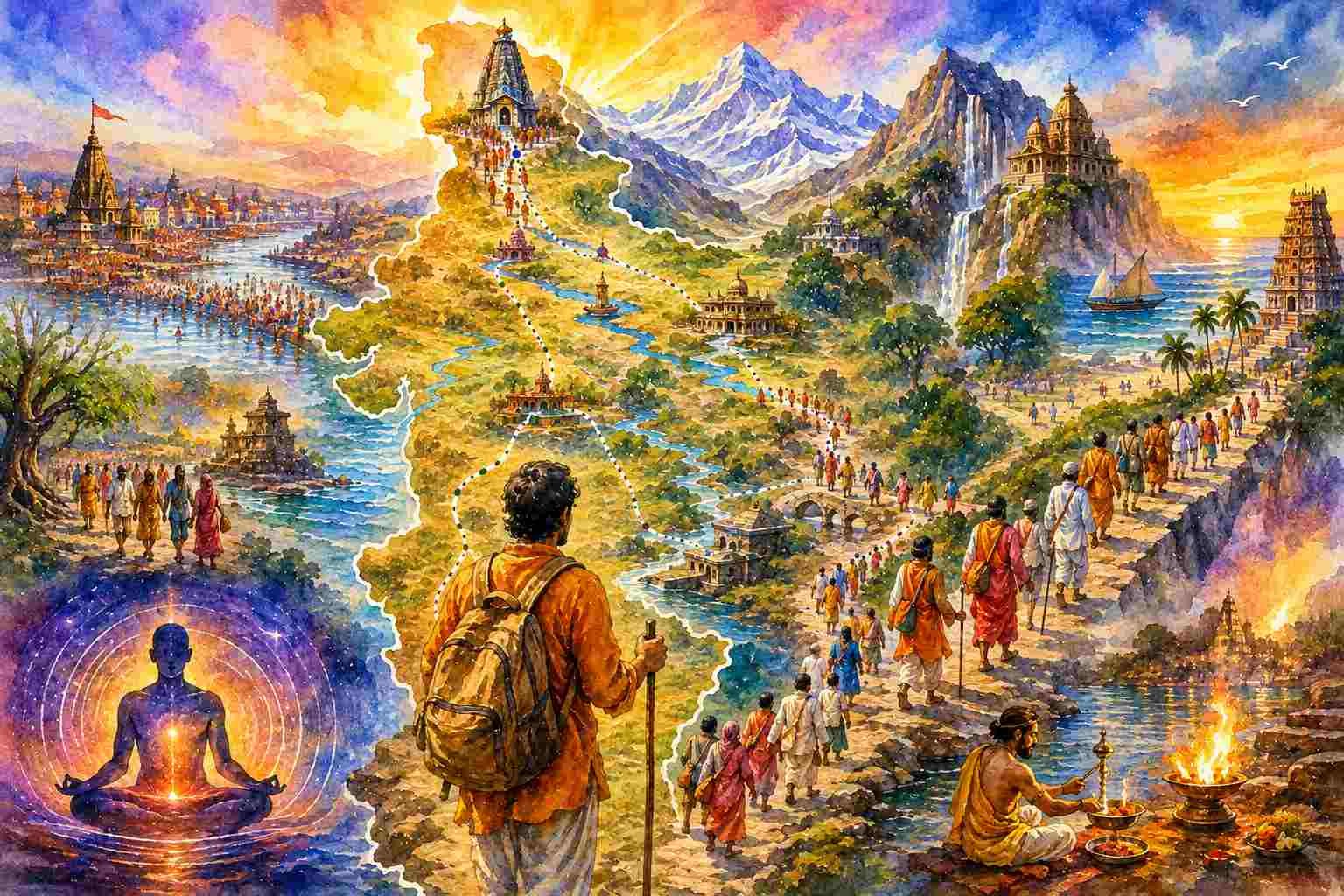
From a Place on the Map to a Crossing Between Pinda and Brahmanda Why do…
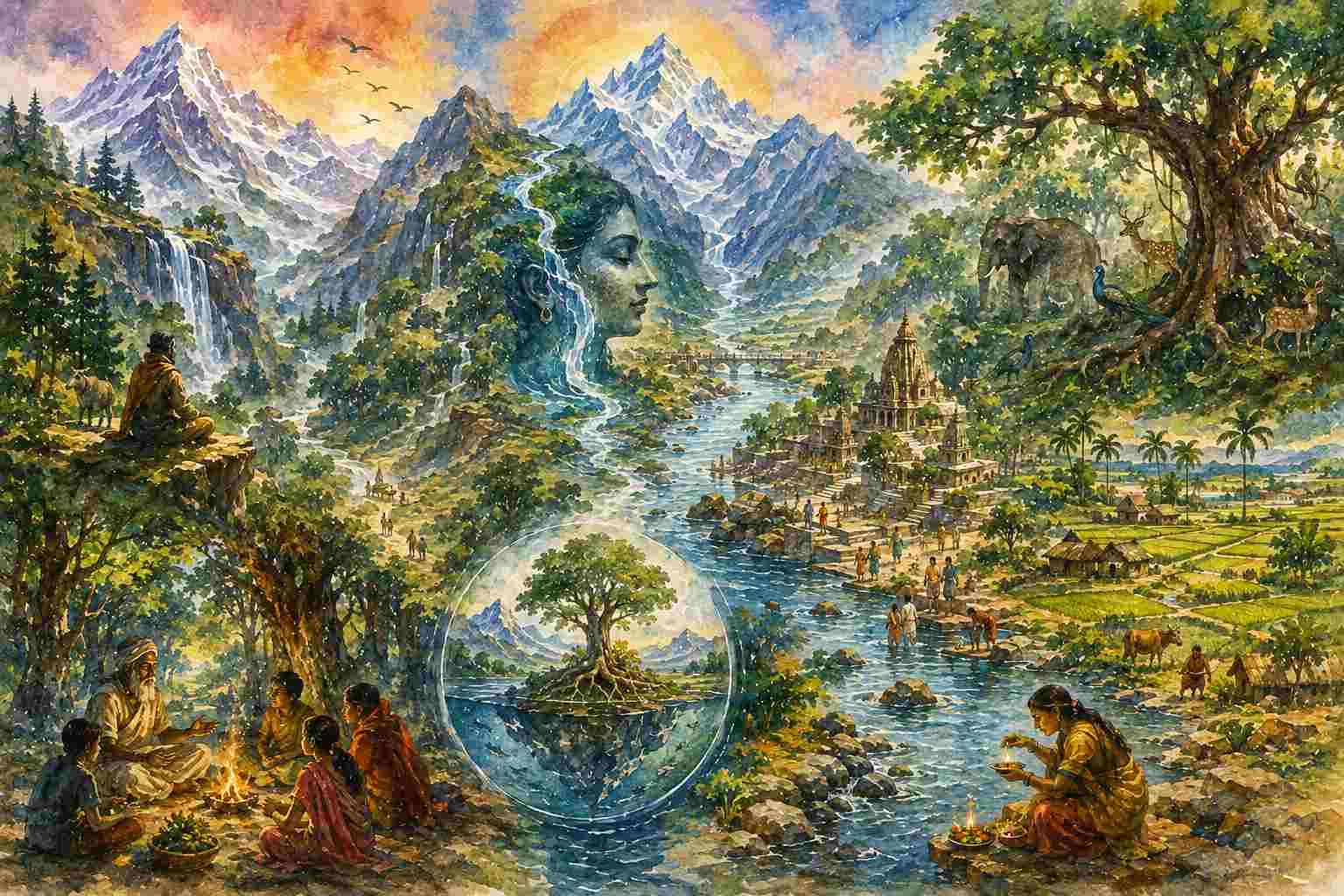
An Indic Geography of Living Landscapes A modern geography textbook can describe a river through…
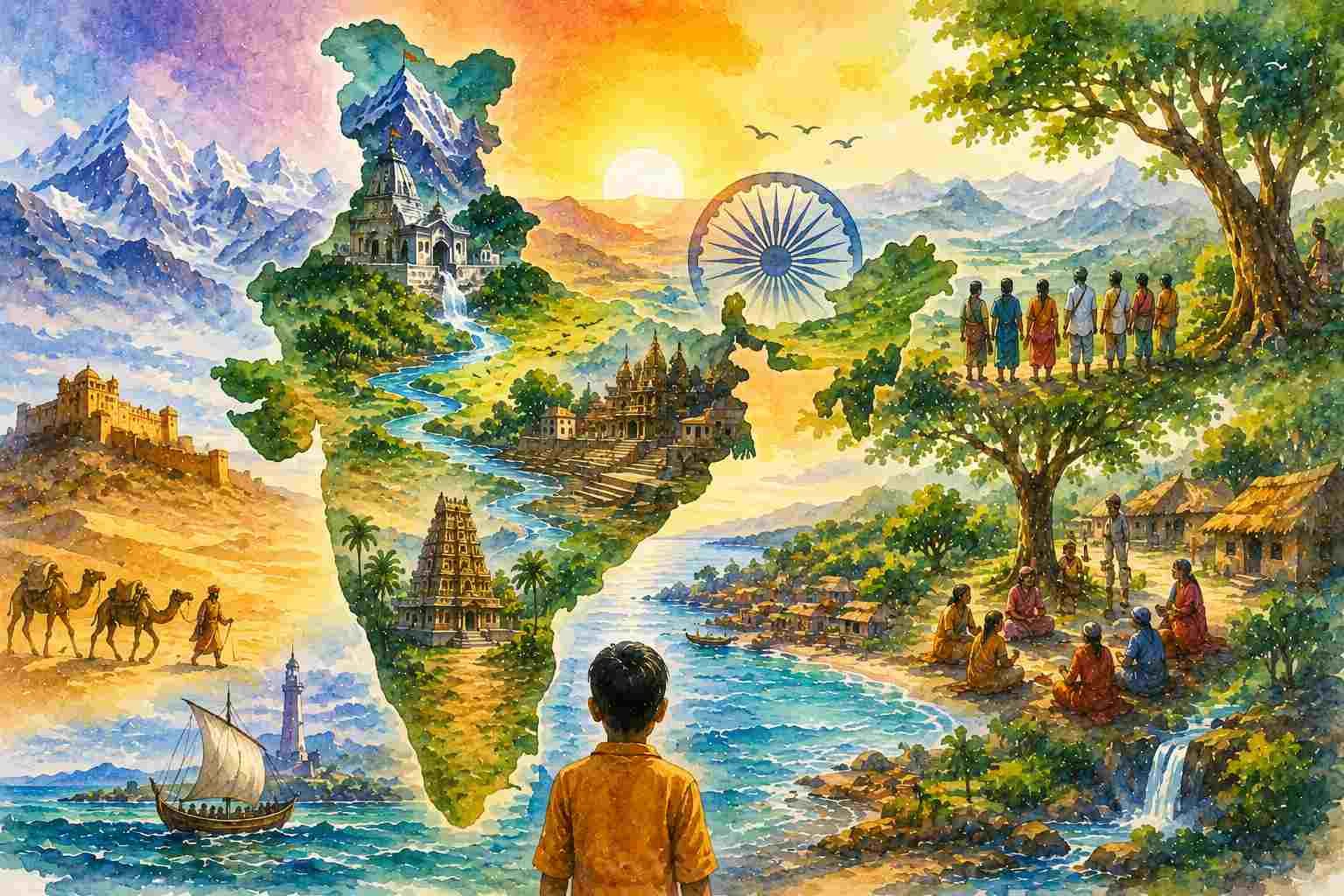
Land, Memory and the Geographical Imagination of Nationalism A country can be measured in square…
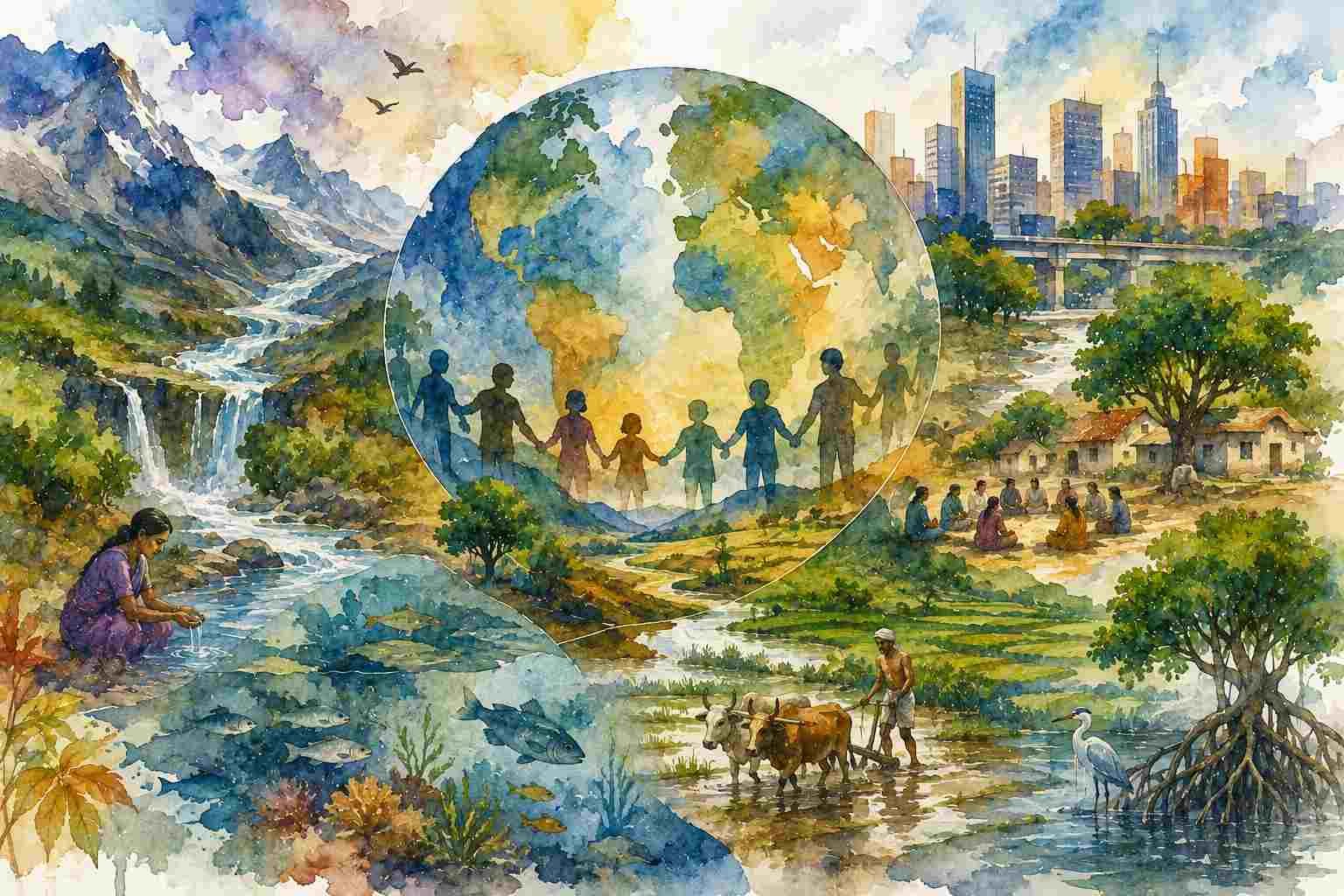
Rethinking Geography through an Indic Civilizational Lens Introduction: What Does It Mean to Know a…
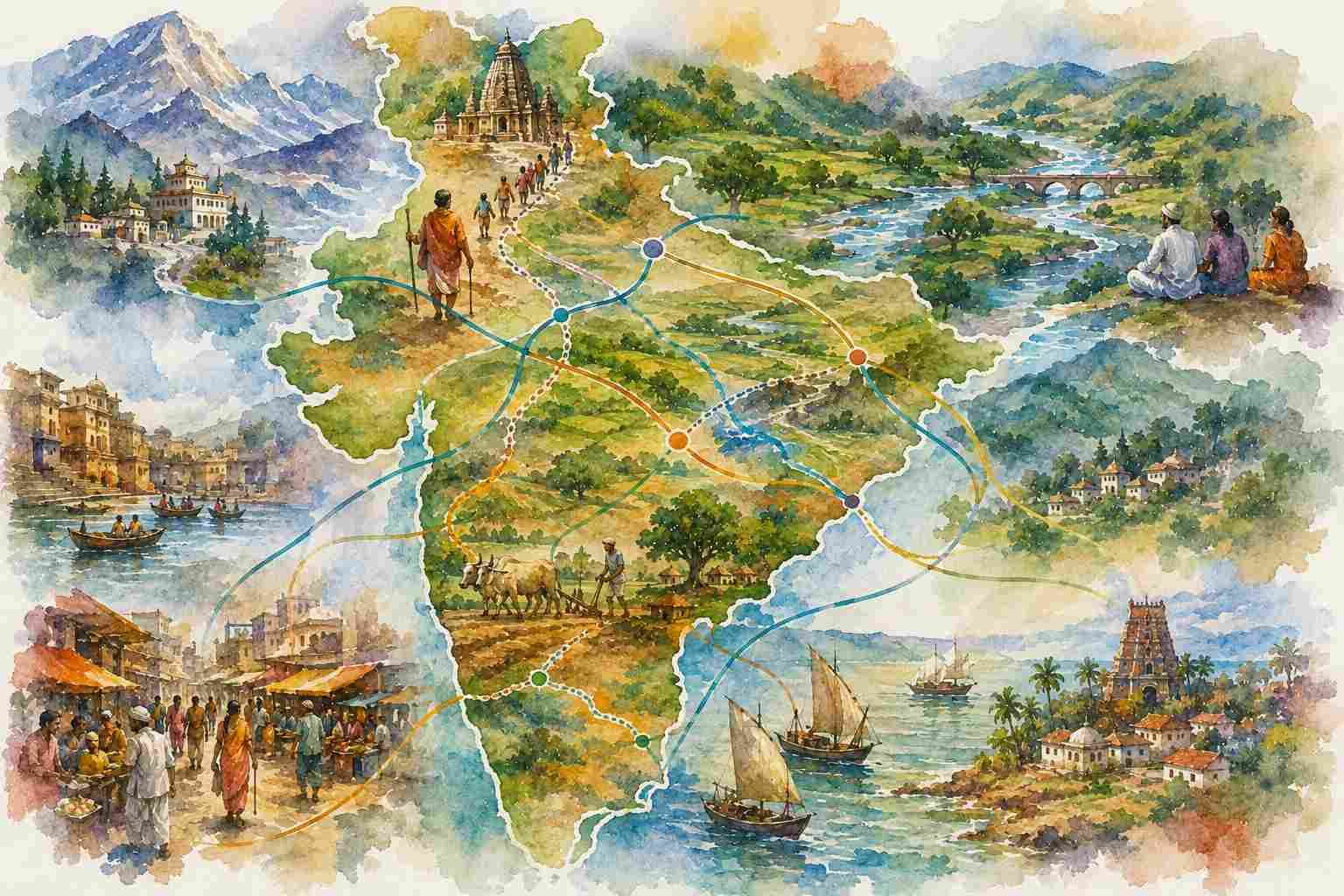
When Geography Draws Boundaries but Life Crosses Them What is a region? A student of…
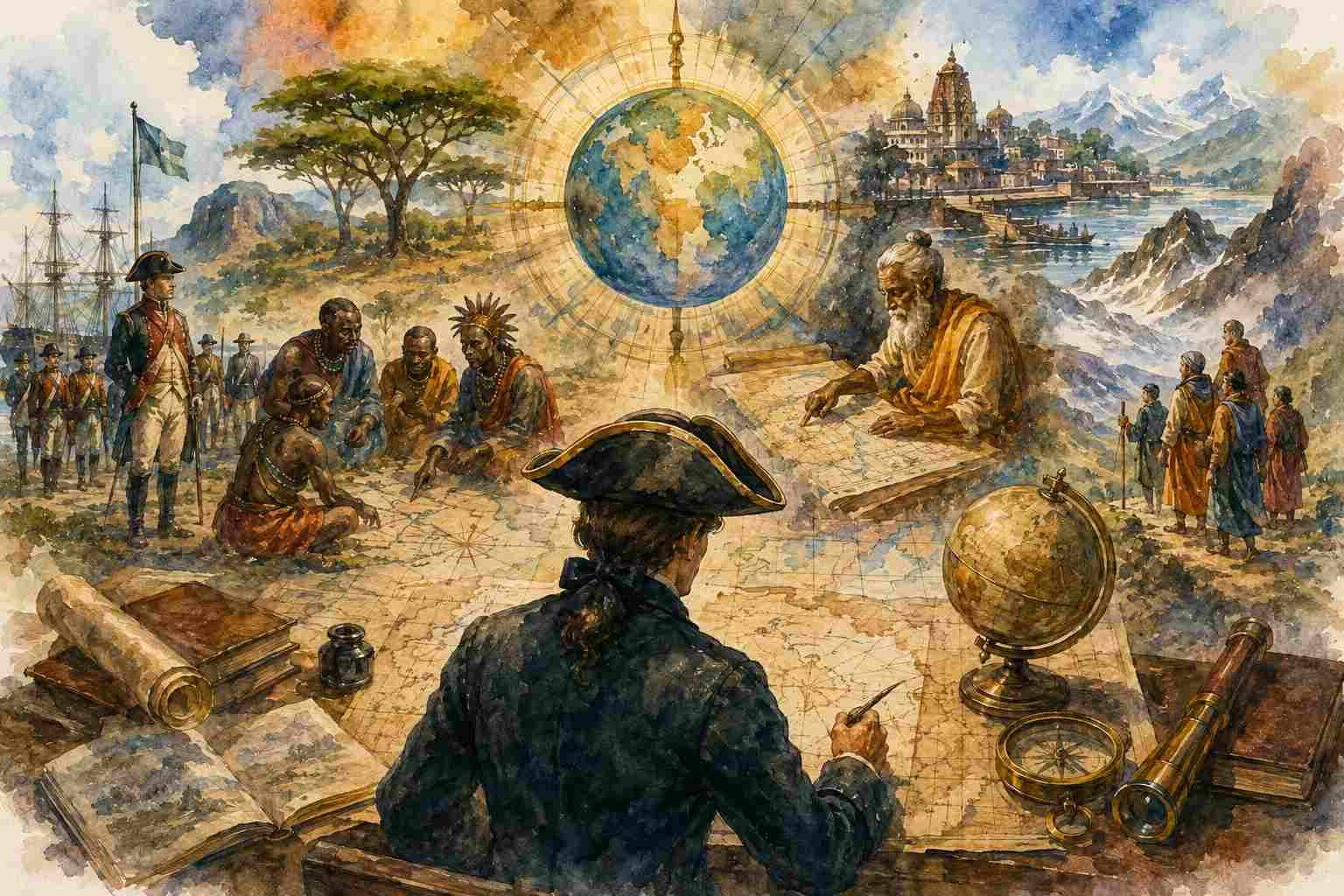
Geography, Maps and the Power to Define Space We are often taught that Eratosthenes was…
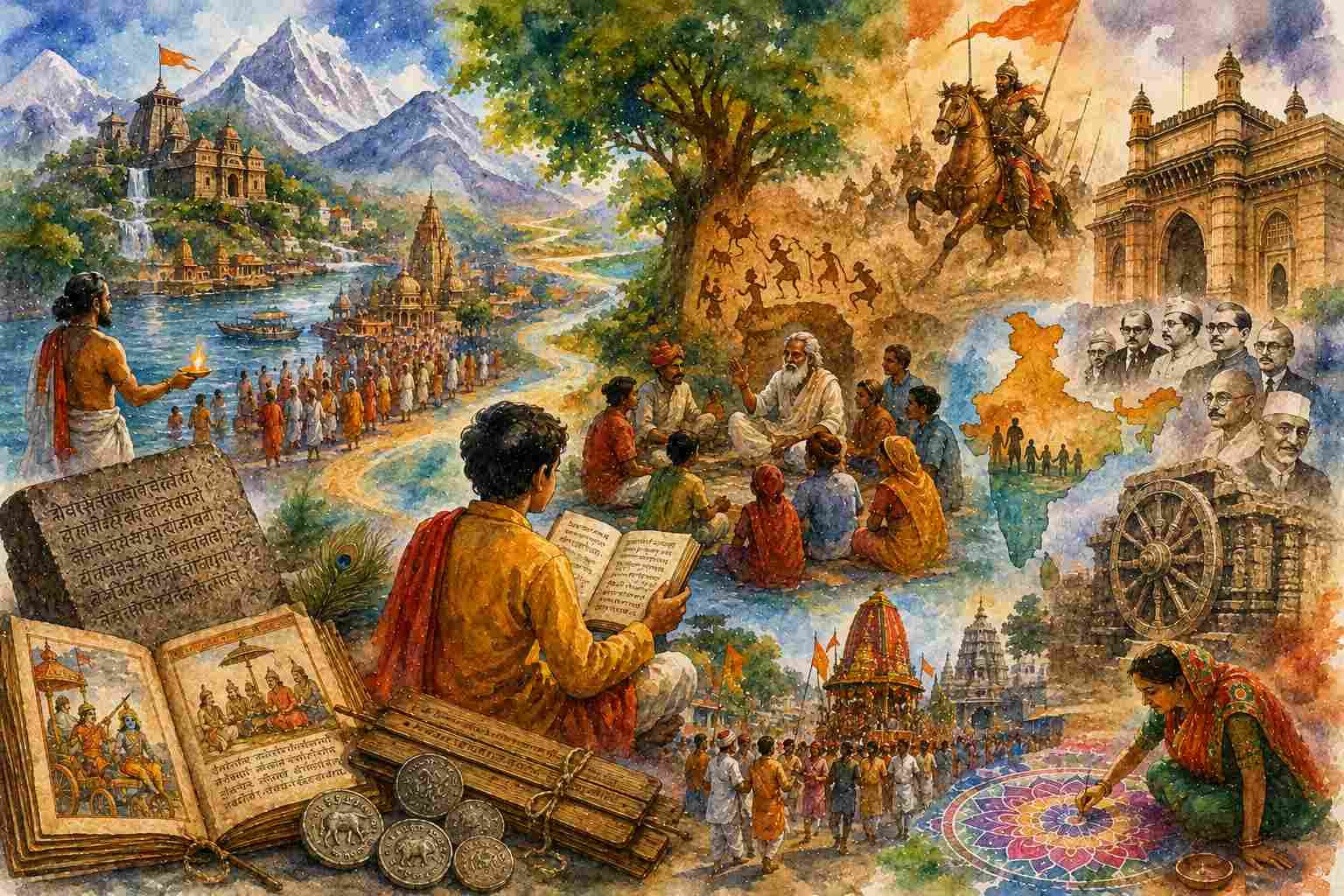
When the Past Is Not Stored in One Archive History asks what happened in the…
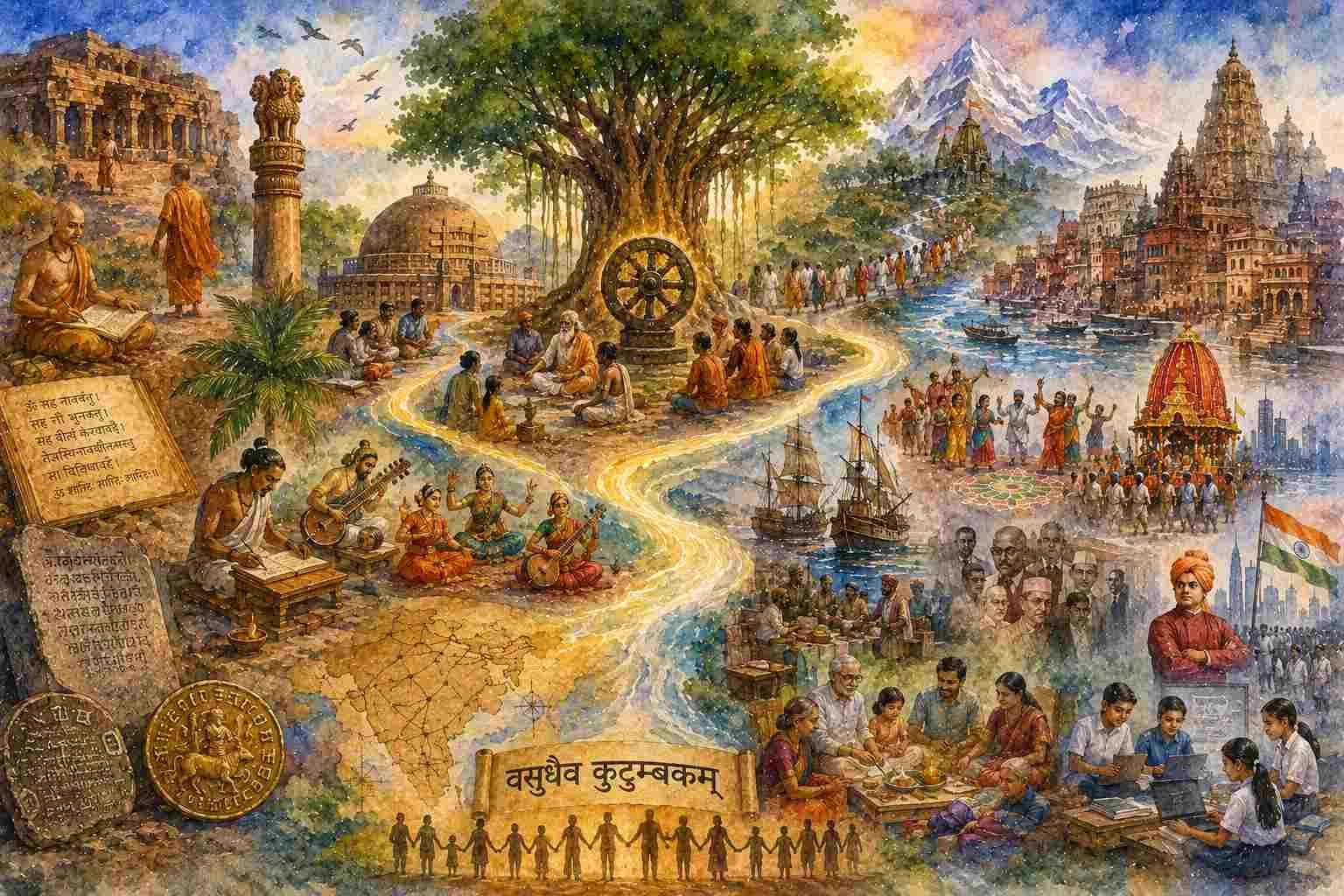
Reading History Beyond Rise and Fall History is often taught through a dramatic rhythm: kingdoms…
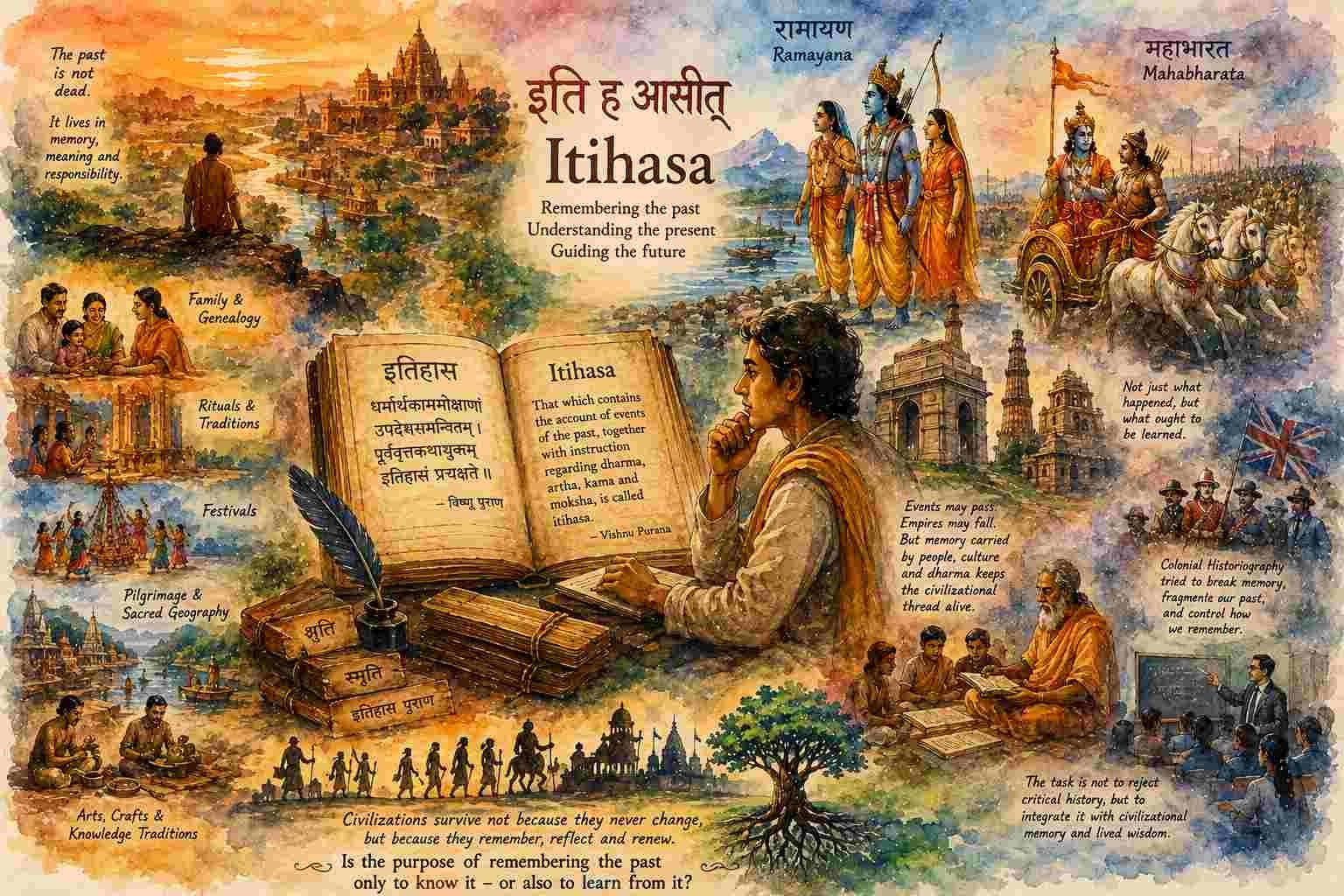
Beyond the Past as a Dead Record Modern academic history is often concerned with a…
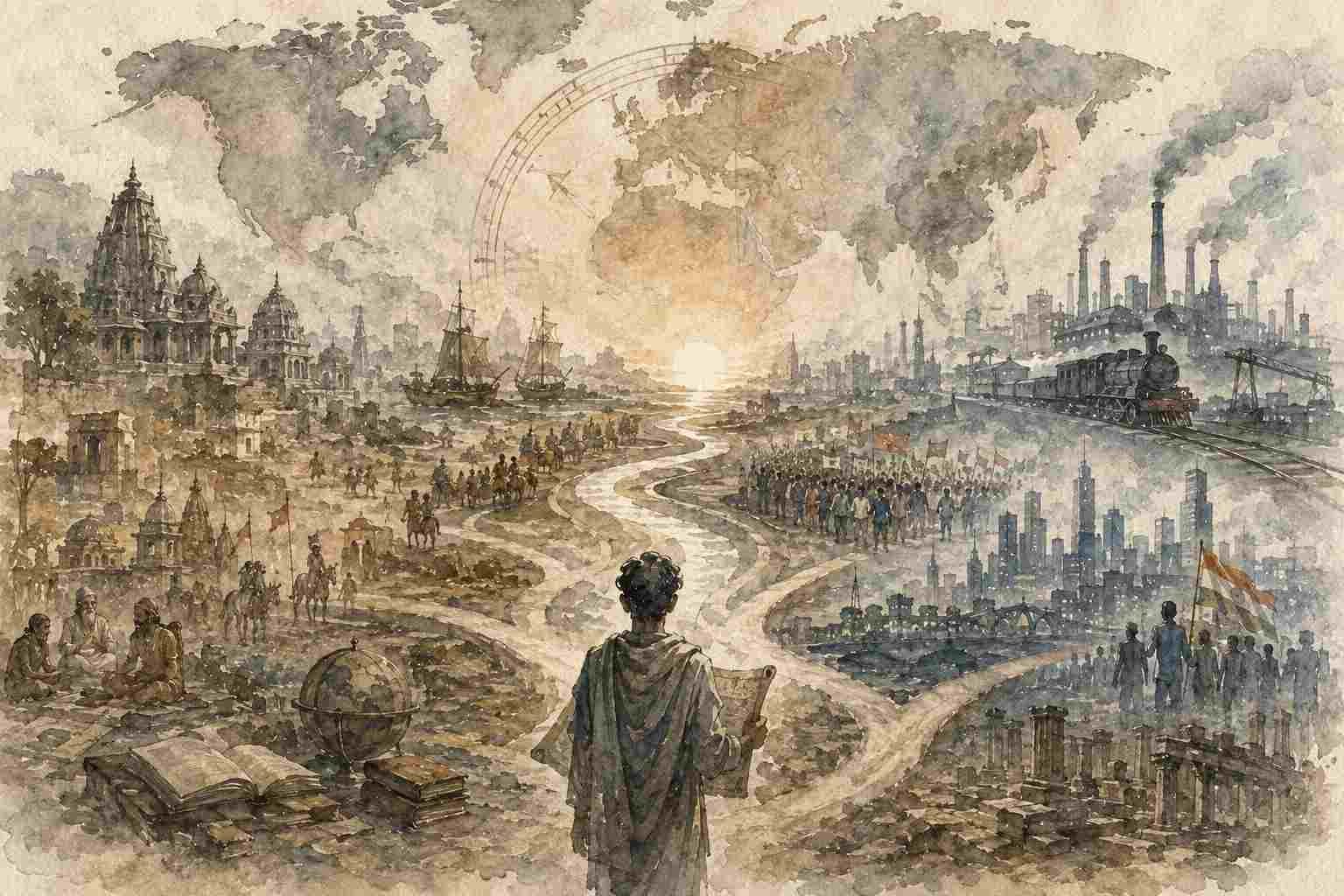
Rethinking Historical Periodization Every student of History encounters the same three boxes: Ancient, Medieval and…
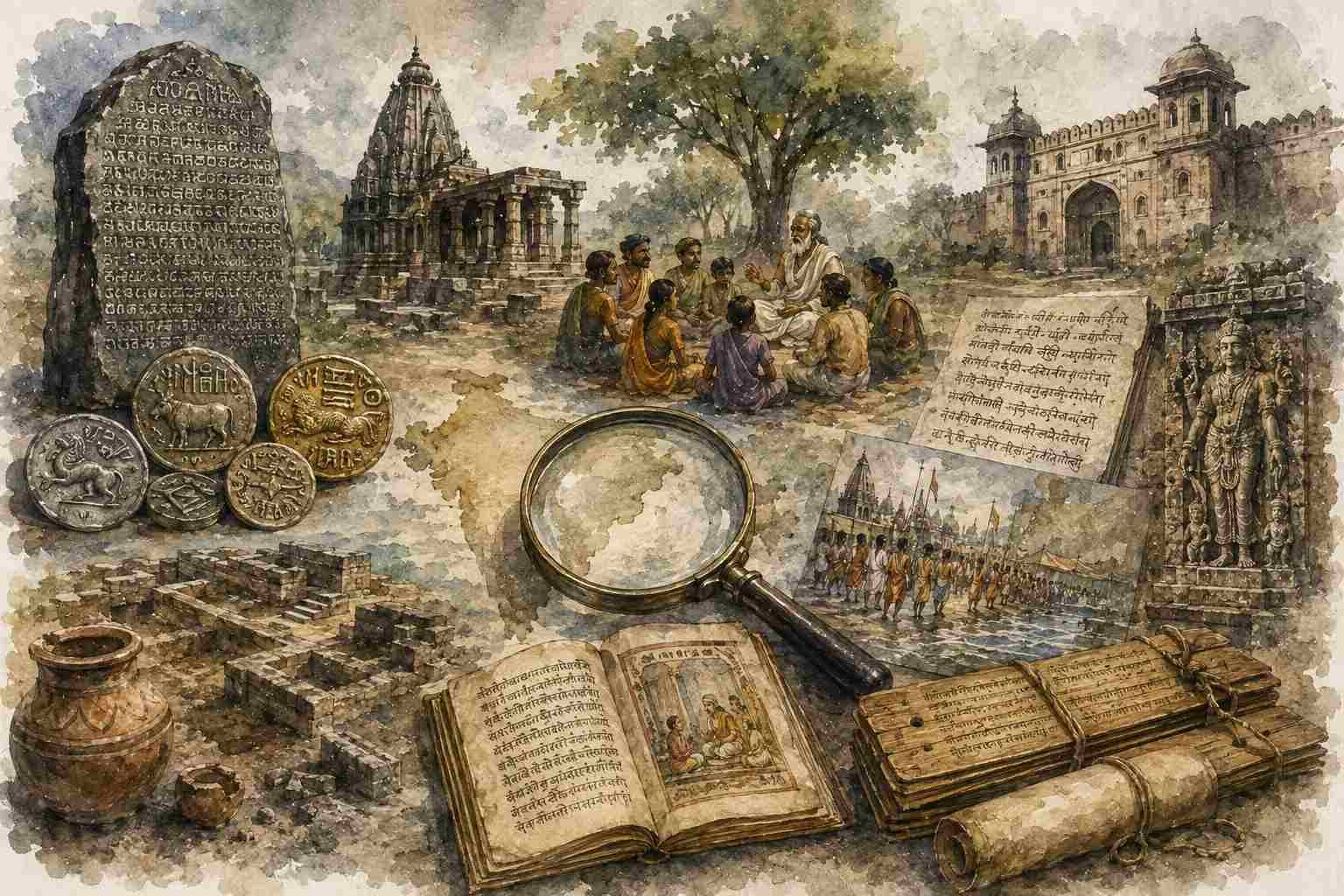
Beyond the Written Archive History is often introduced through a deceptively simple image of the…
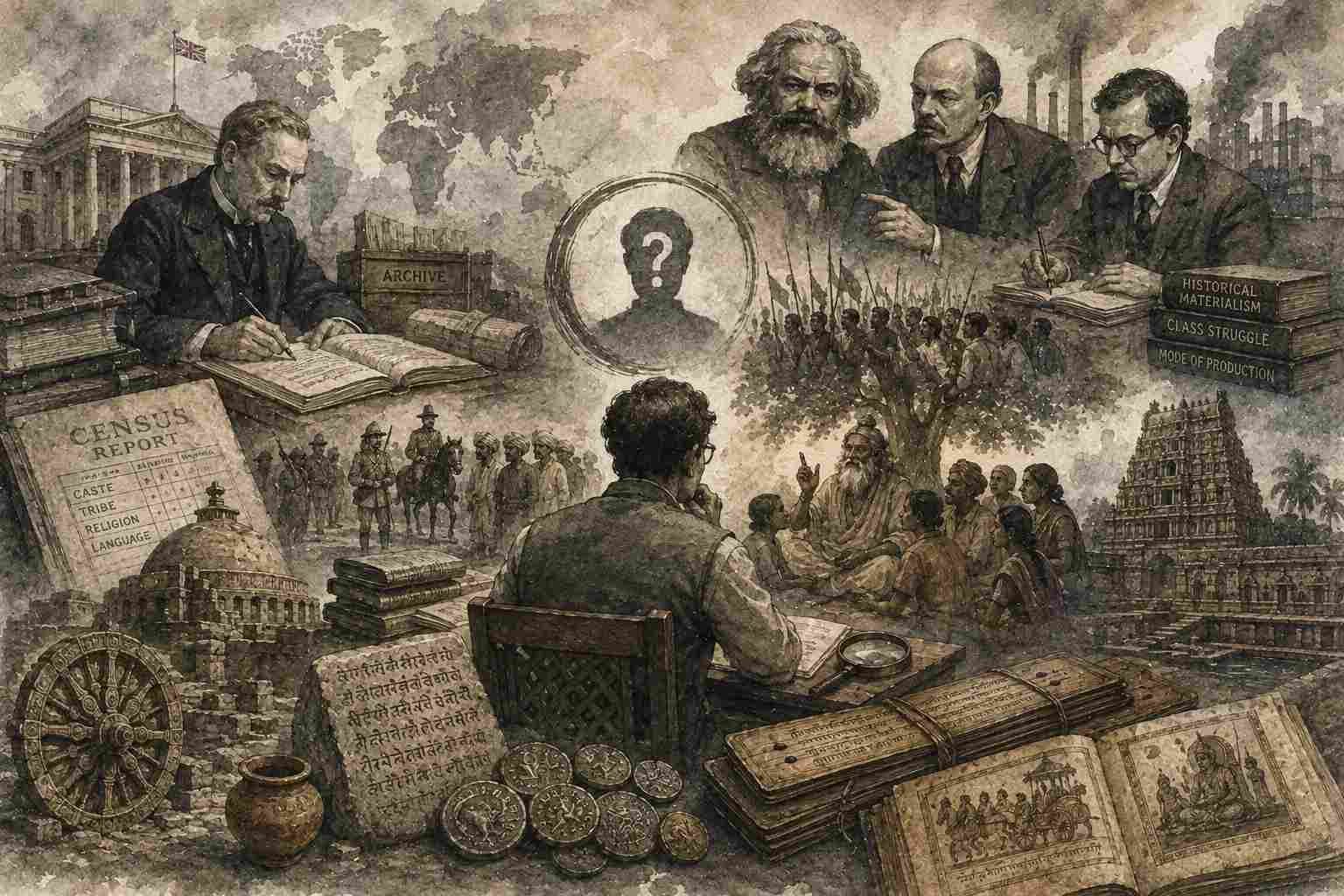
The Historian, the Source and the Story History is often presented to students as though…
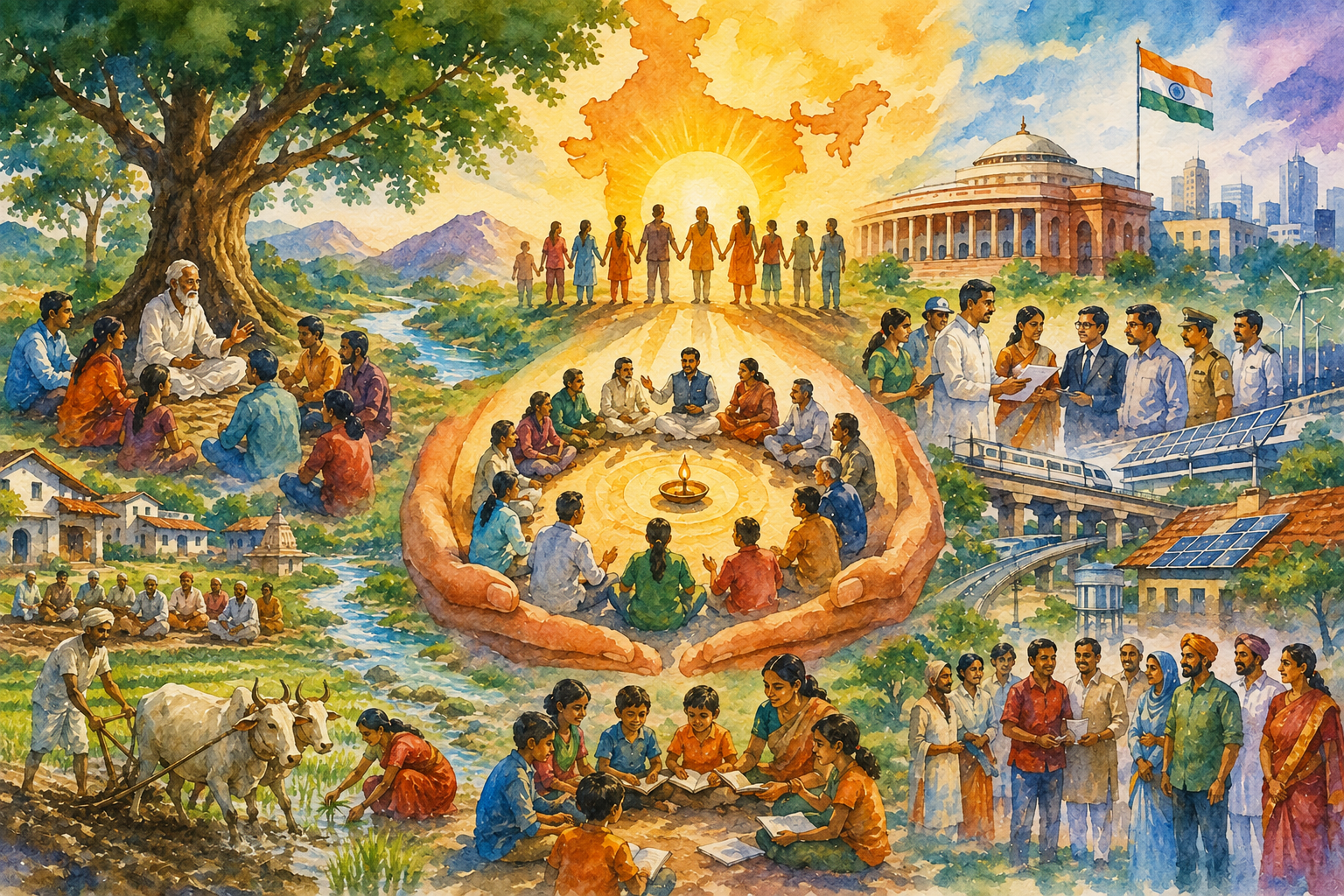
Beyond Administration, Towards the Welfare of the Whole We have become accustomed to judging governance…
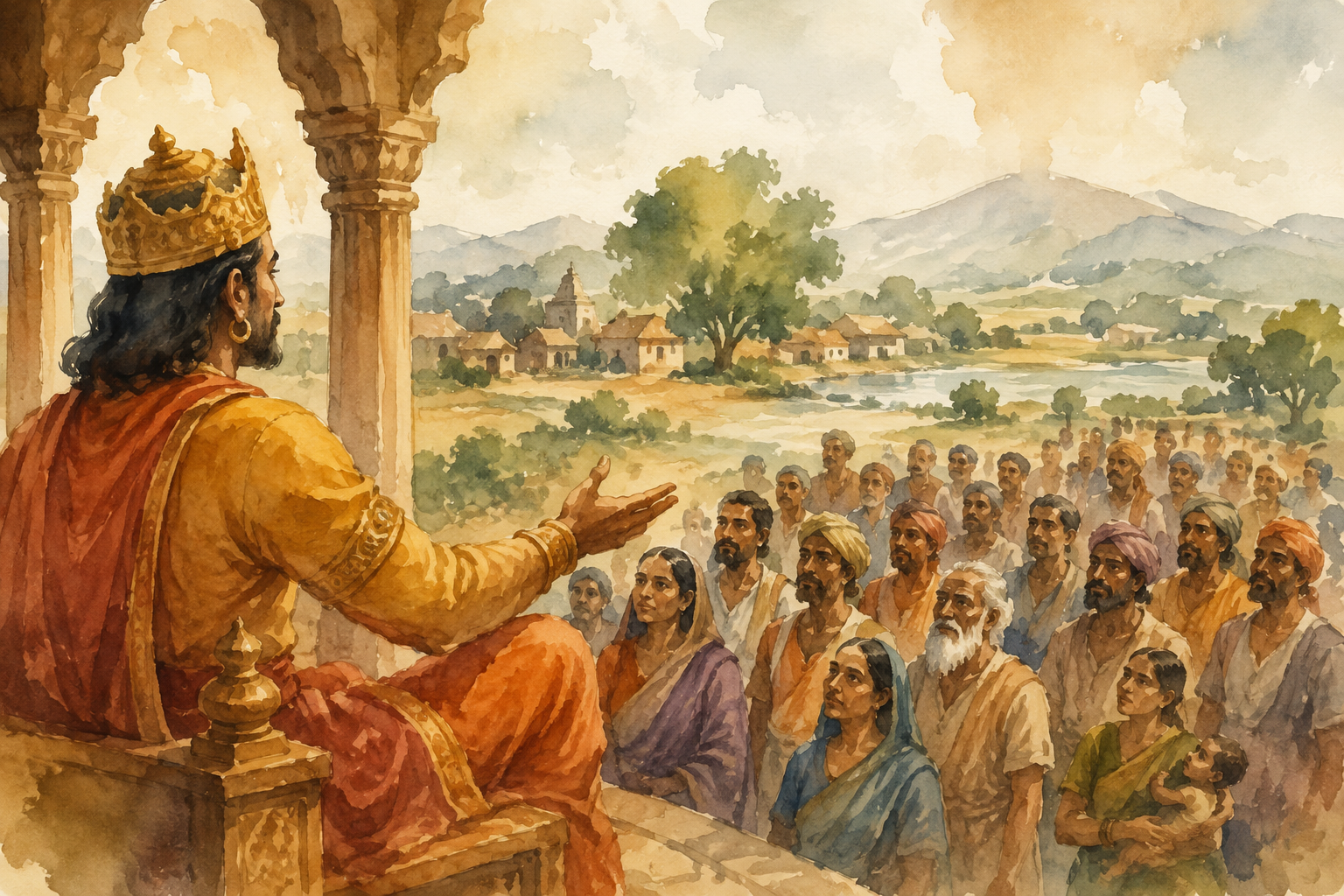
If a person possesses the power to govern, what exactly does that power oblige him…
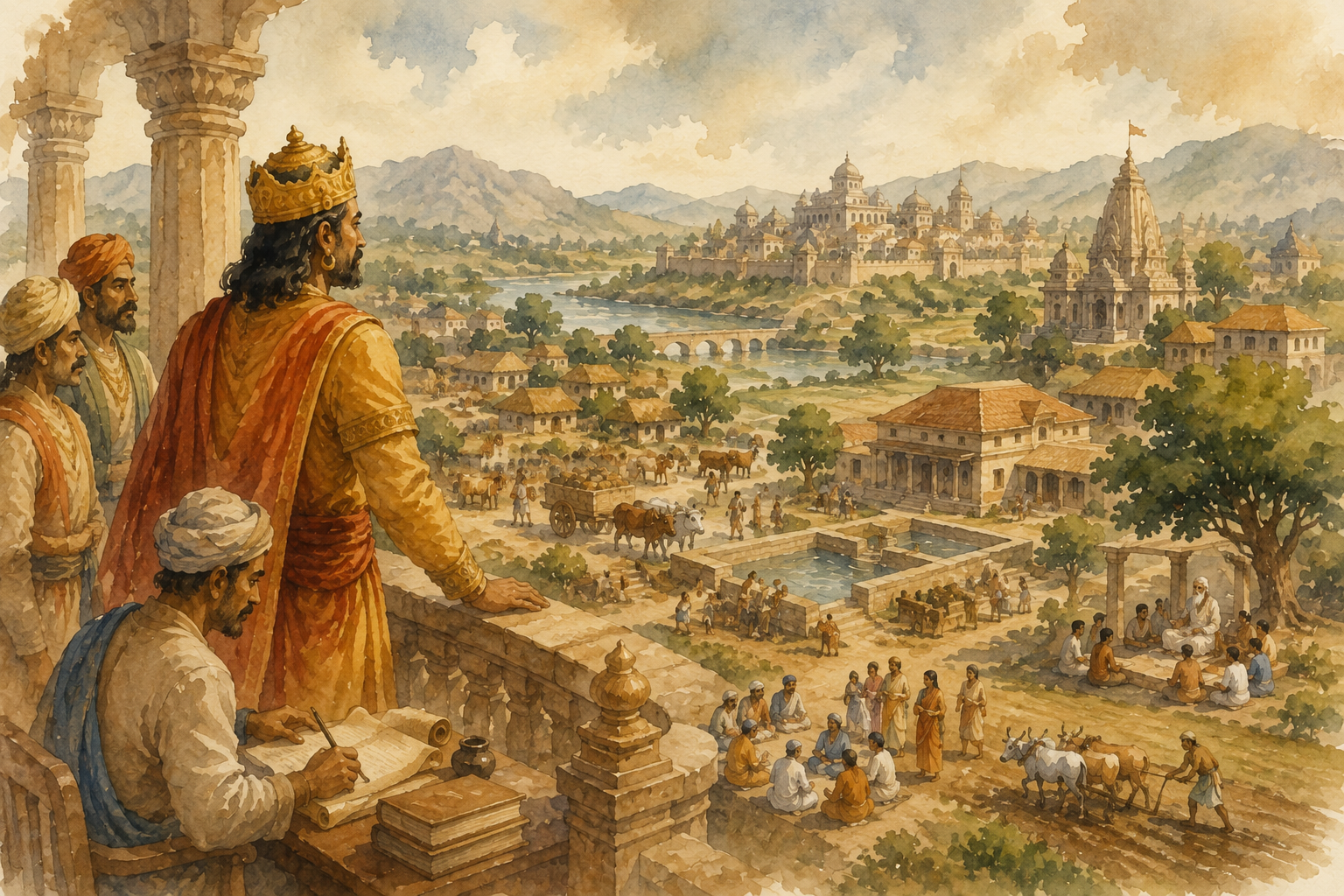
Political Order Political Science has spent considerable time asking who rules, how rulers acquire power,…
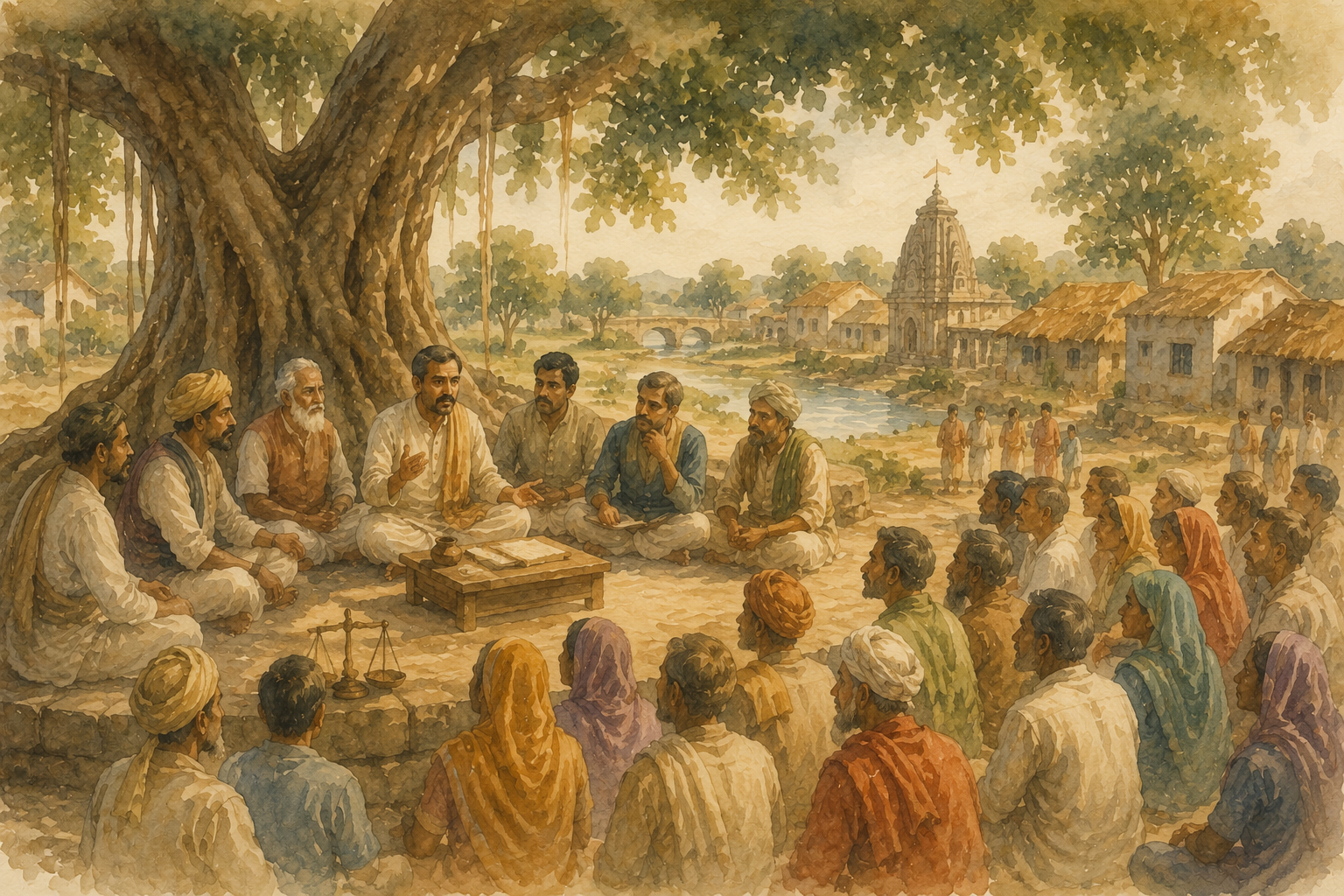
Authority, Responsibility and the Limits of Power Political science often begins with a deceptively simple…
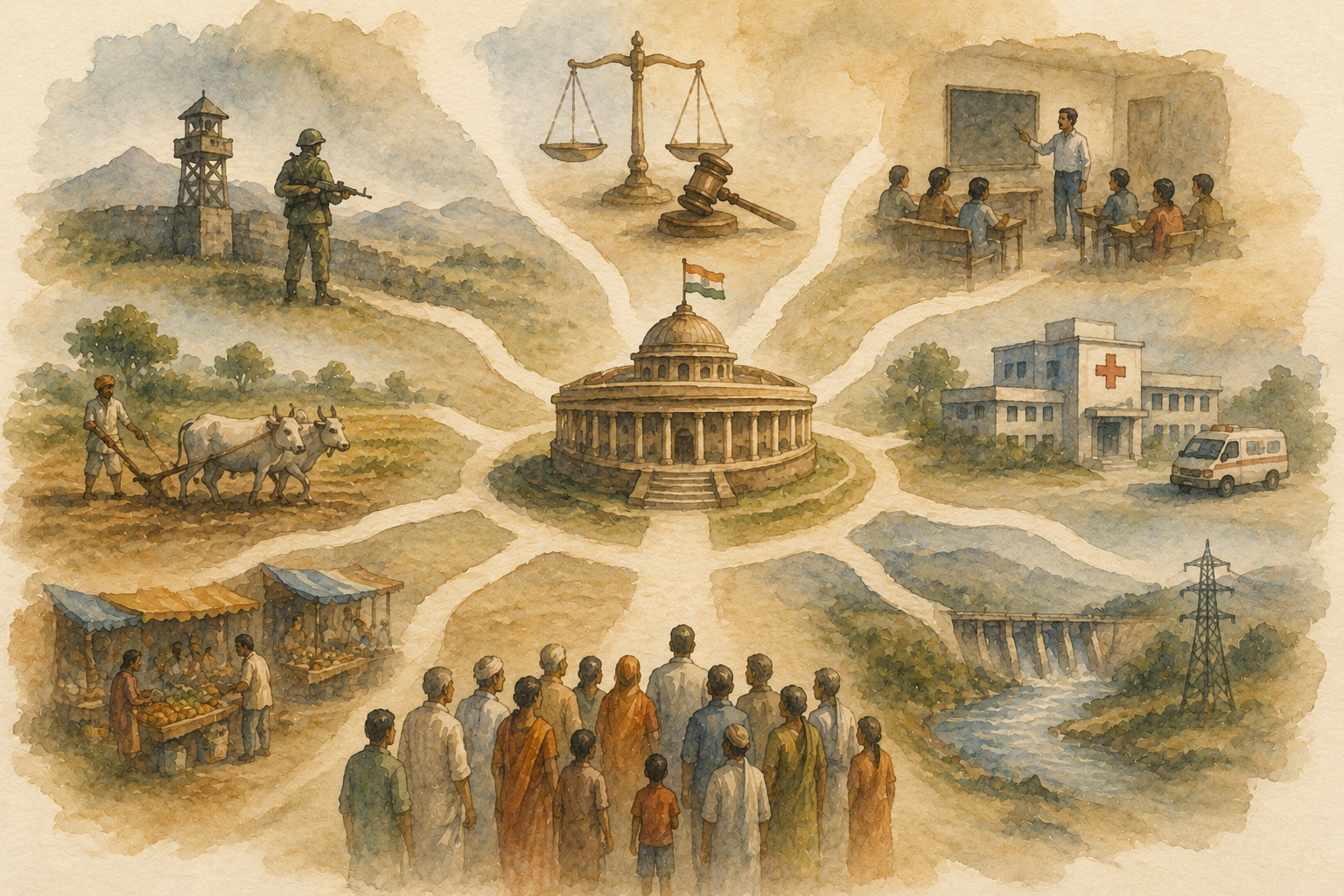
Beyond the Modern Nation-State When we study political science, one assumption usually goes unquestioned: that…
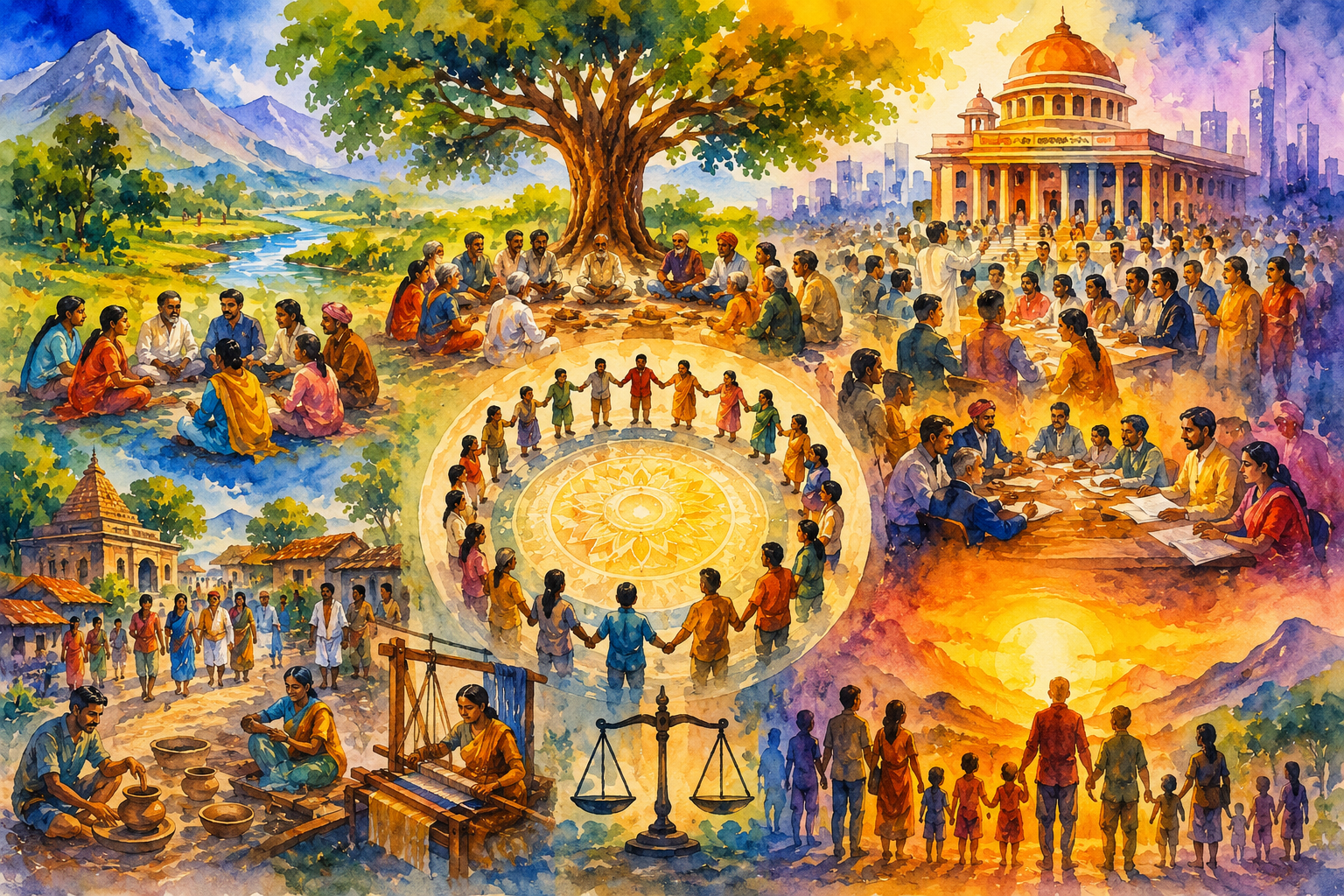
Beyond Power and Elections Before Political Science asks who governs, we must first ask what…
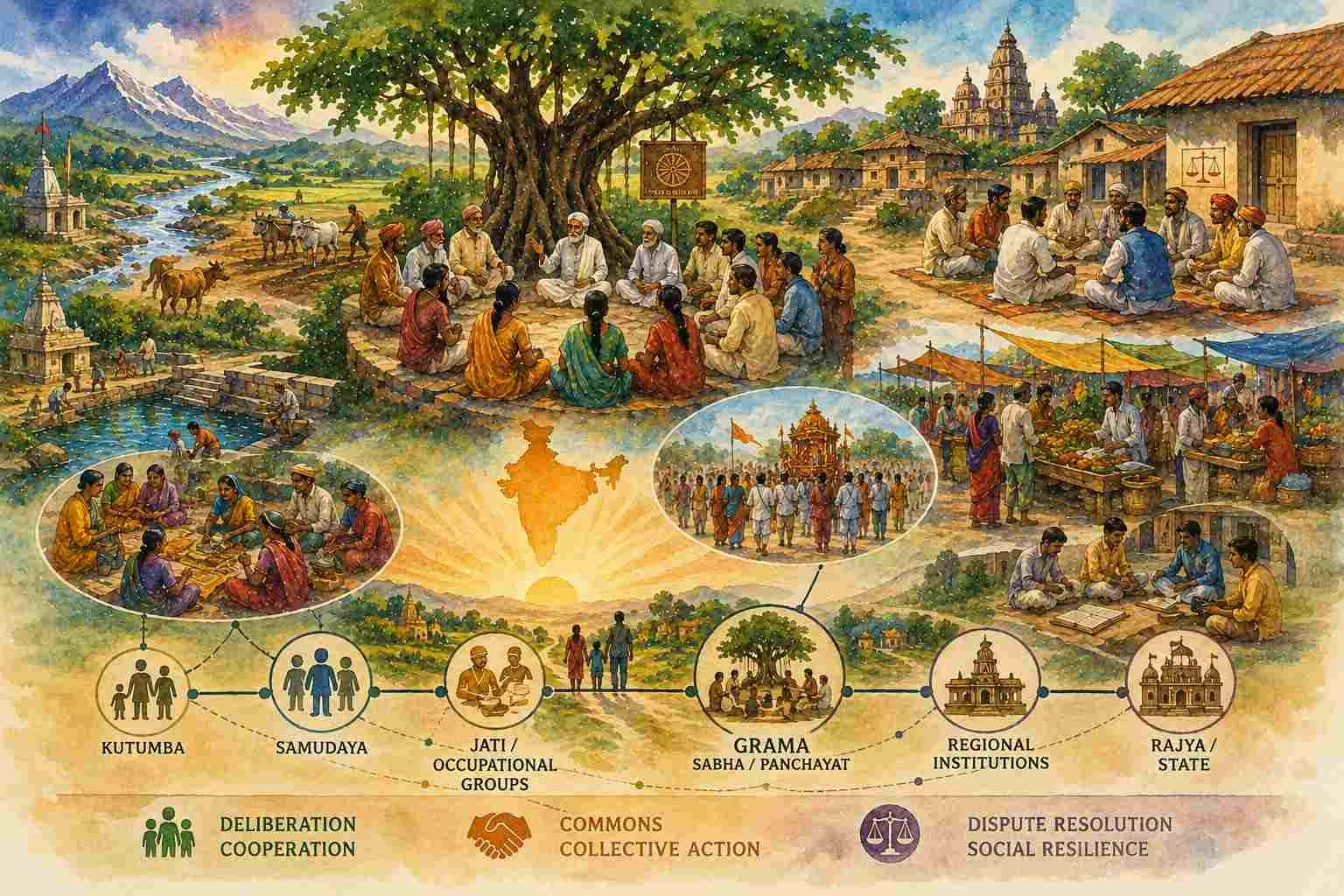
The Sociology of Distributed Social Institutions When Sociology introduces society, it often begins with a…
How Does Society Sustain Itself? Every society must answer a question more fundamental than politics:…
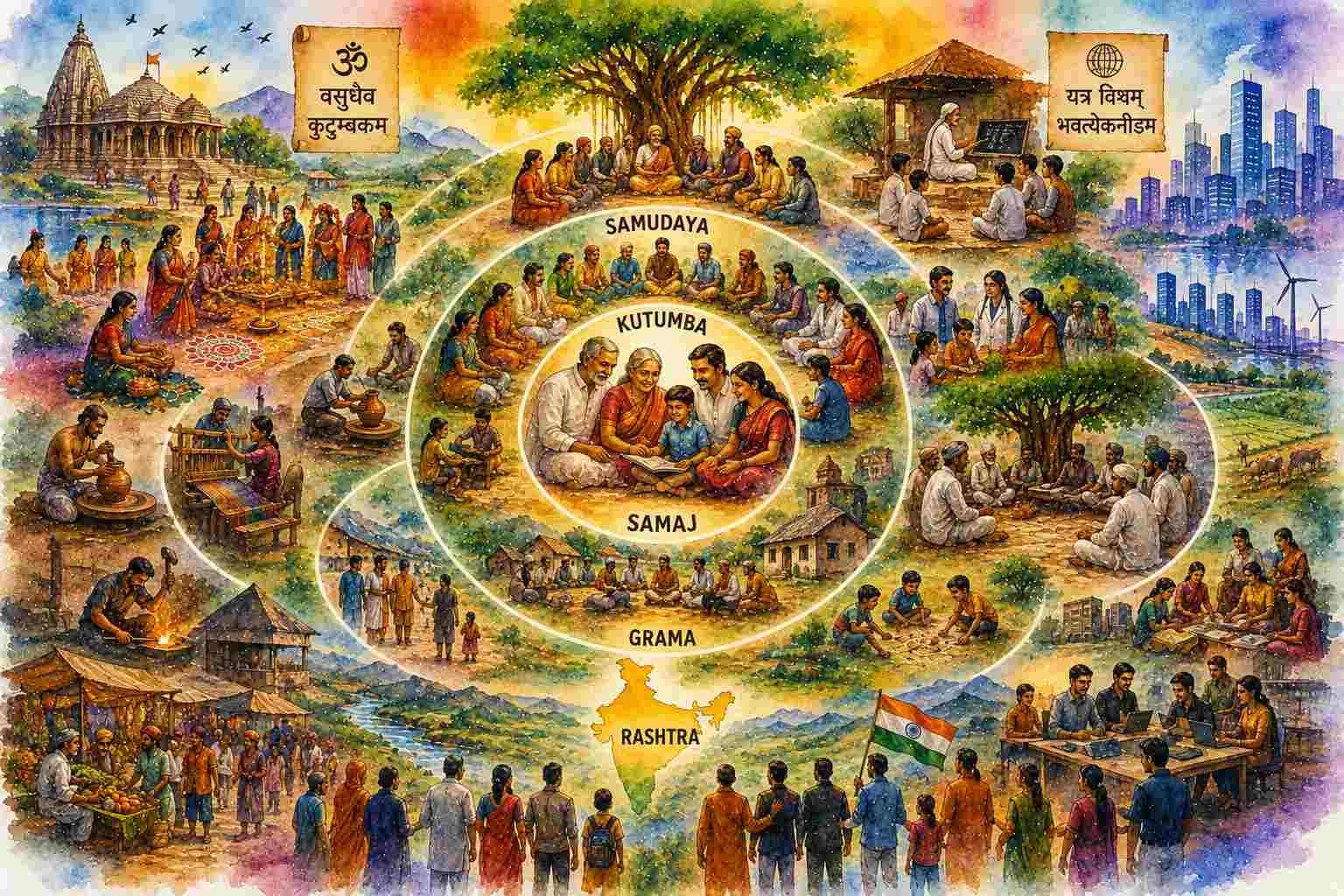
Beyond the Individual–Society Binary What if the basic unit of sociology is not the individual?…
Rethinking Social Change in Bharat One of the most influential assumptions embedded within the modern…
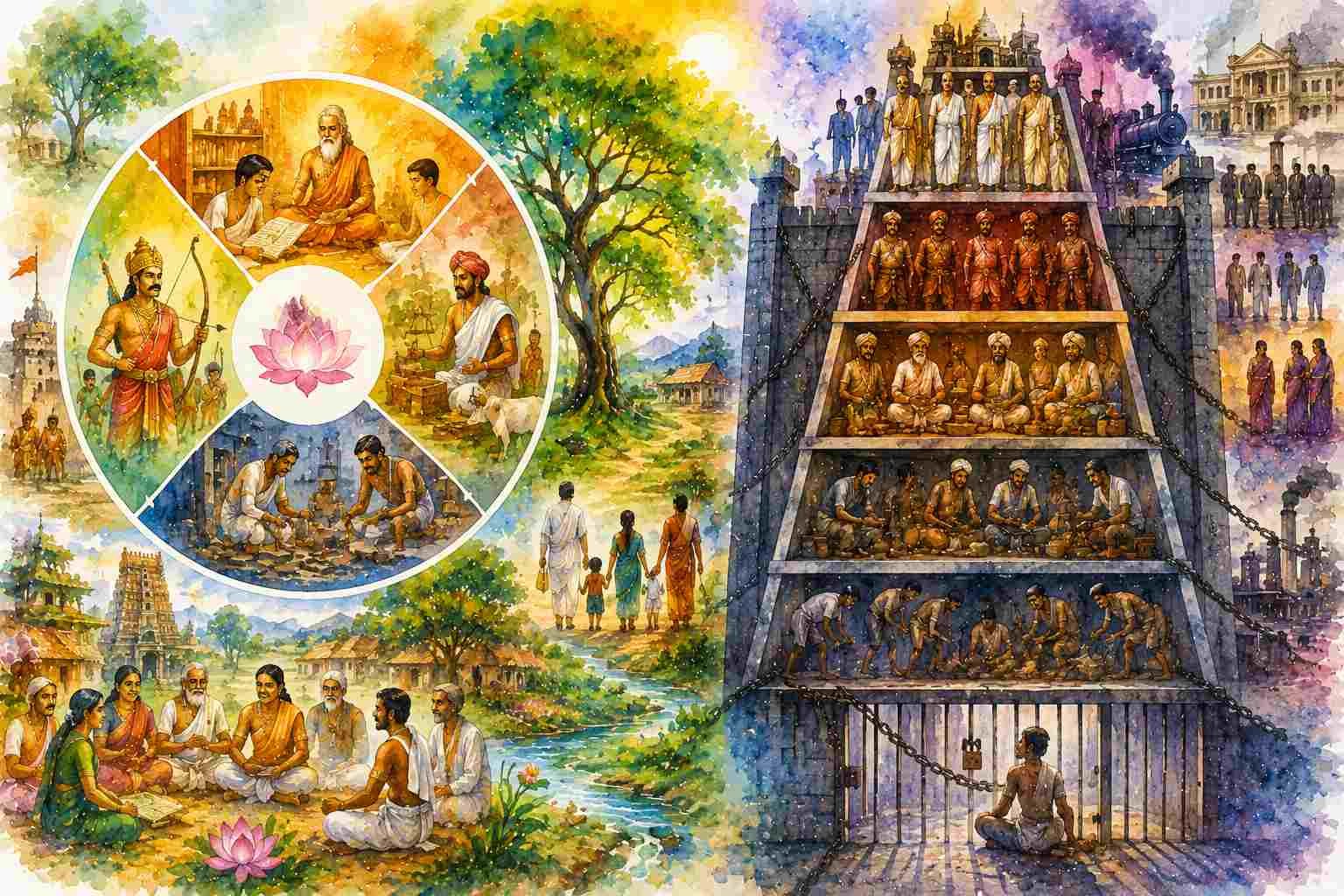
When a Sociological Category Becomes a Social Reality There is perhaps no concept in the…
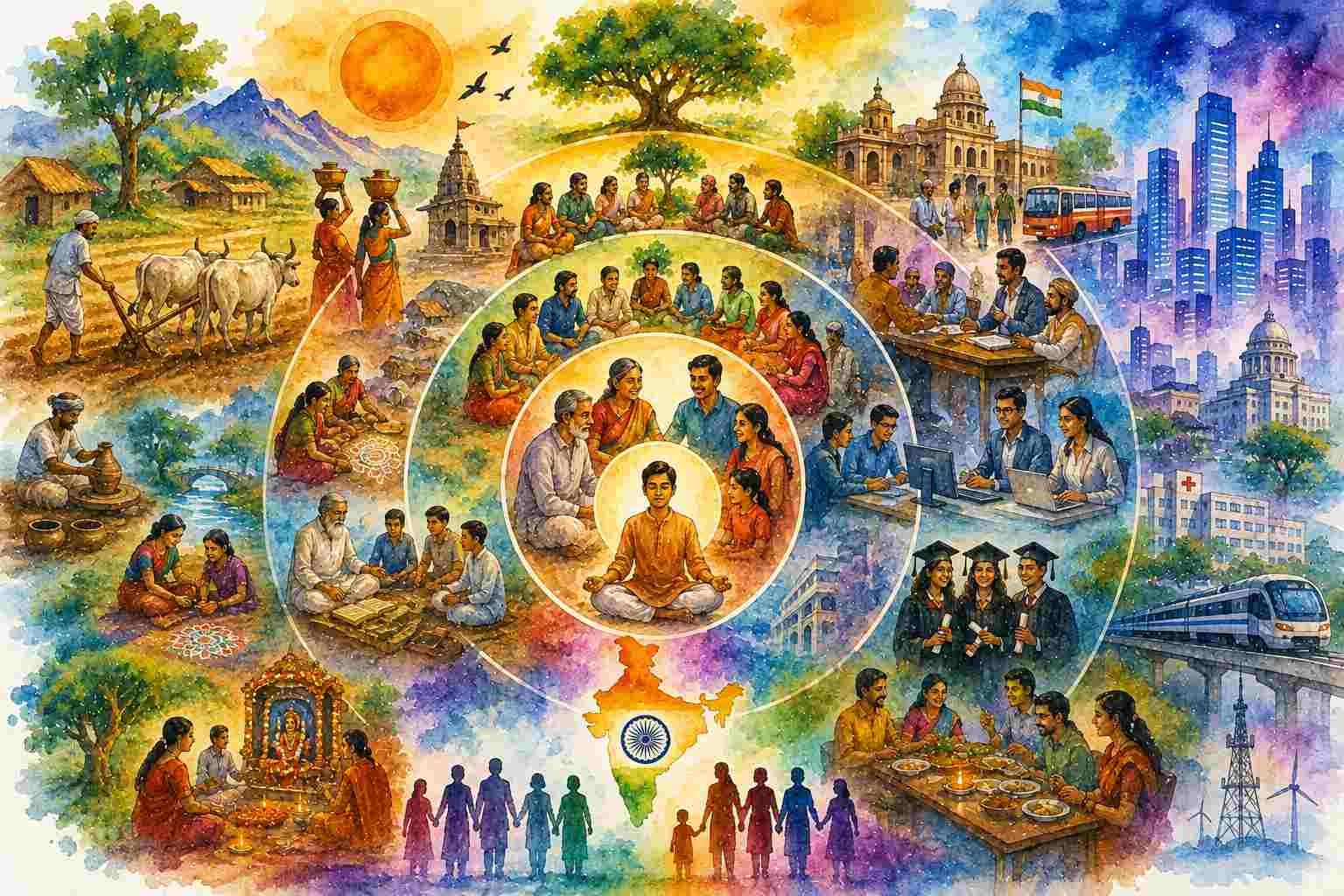
Re-examining the Sociological Imagination Before sociology asks why people behave in certain ways, why…
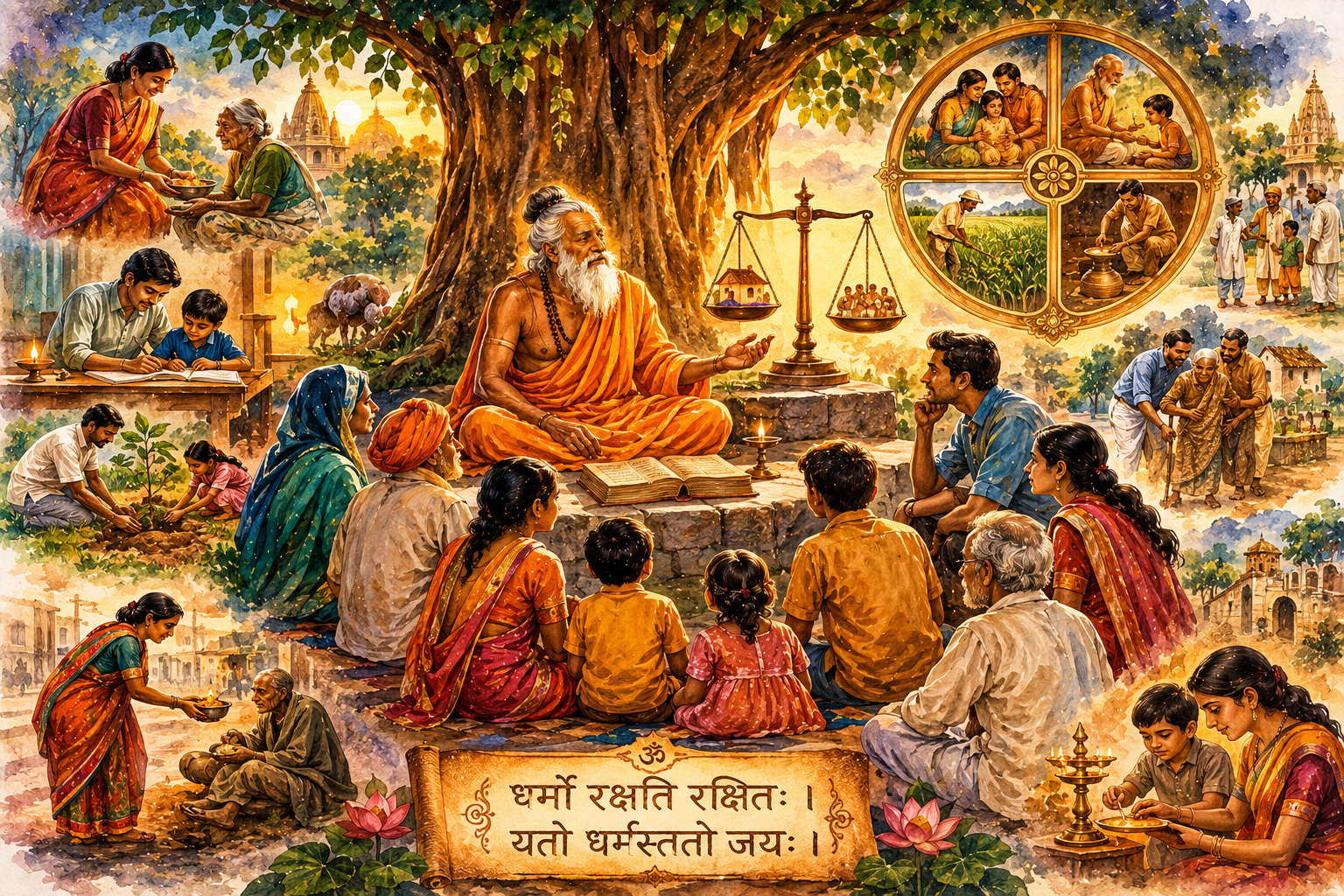
How Do Communities Sustain Collective Life? Every society faces the same basic problem: how do…
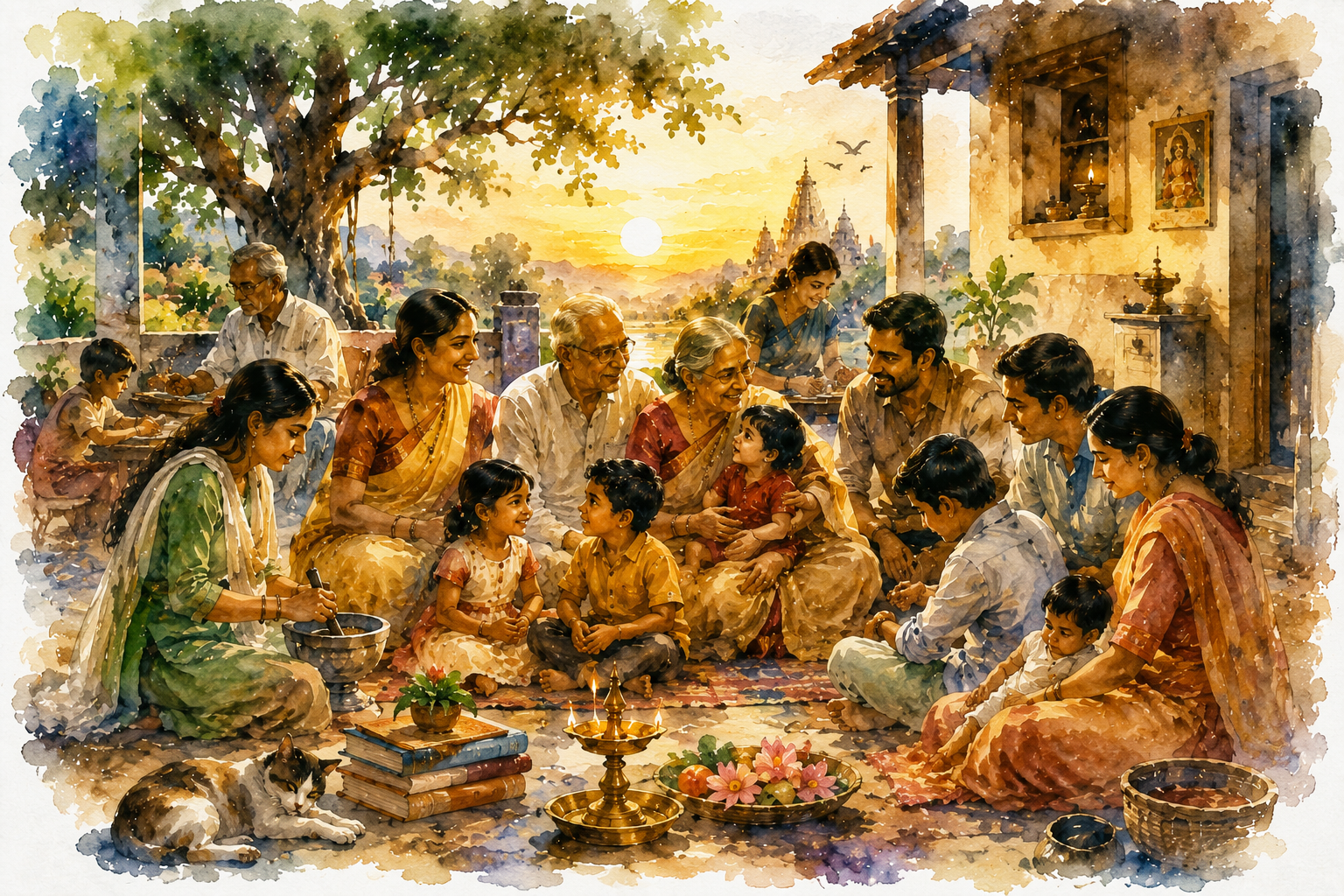
Beyond the Individual–Society Binary Modern social science often begins with a deceptively simple question: Is…
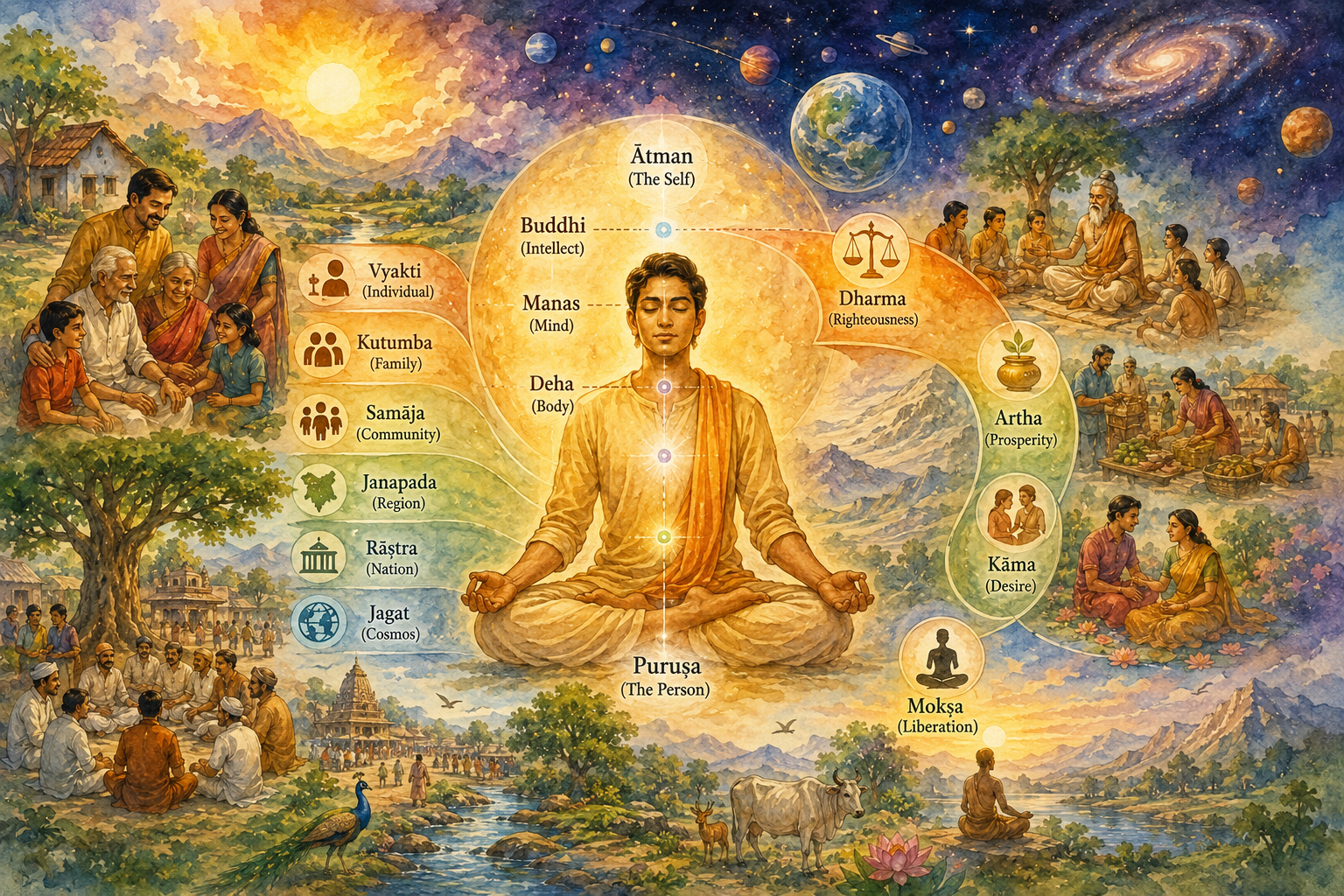
From the Individual to the Puruṣa Anthropology begins with the human being, but it rarely…
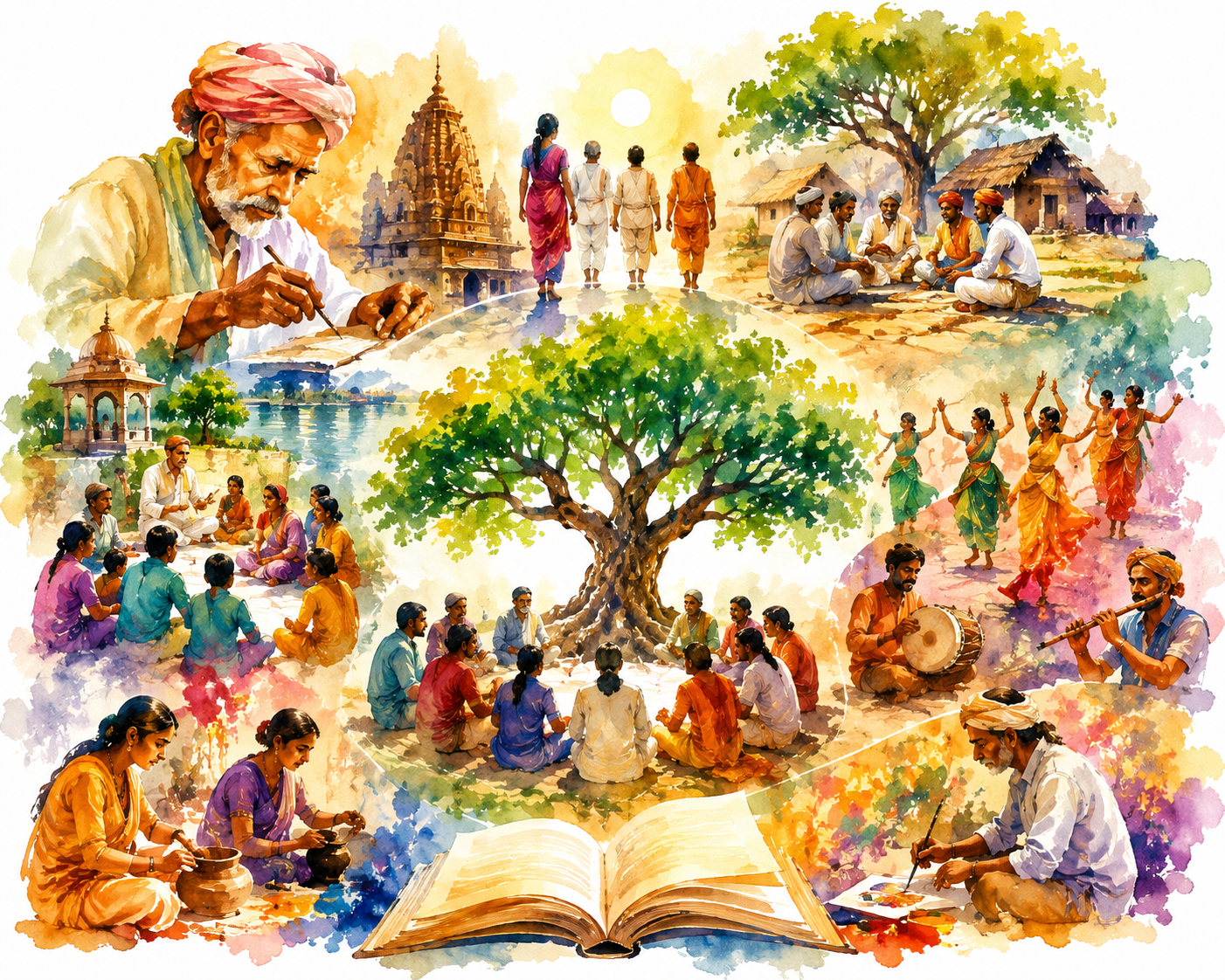
Recovering Indigenous Sources and Voices Anthropology has always claimed to study human beings in their…
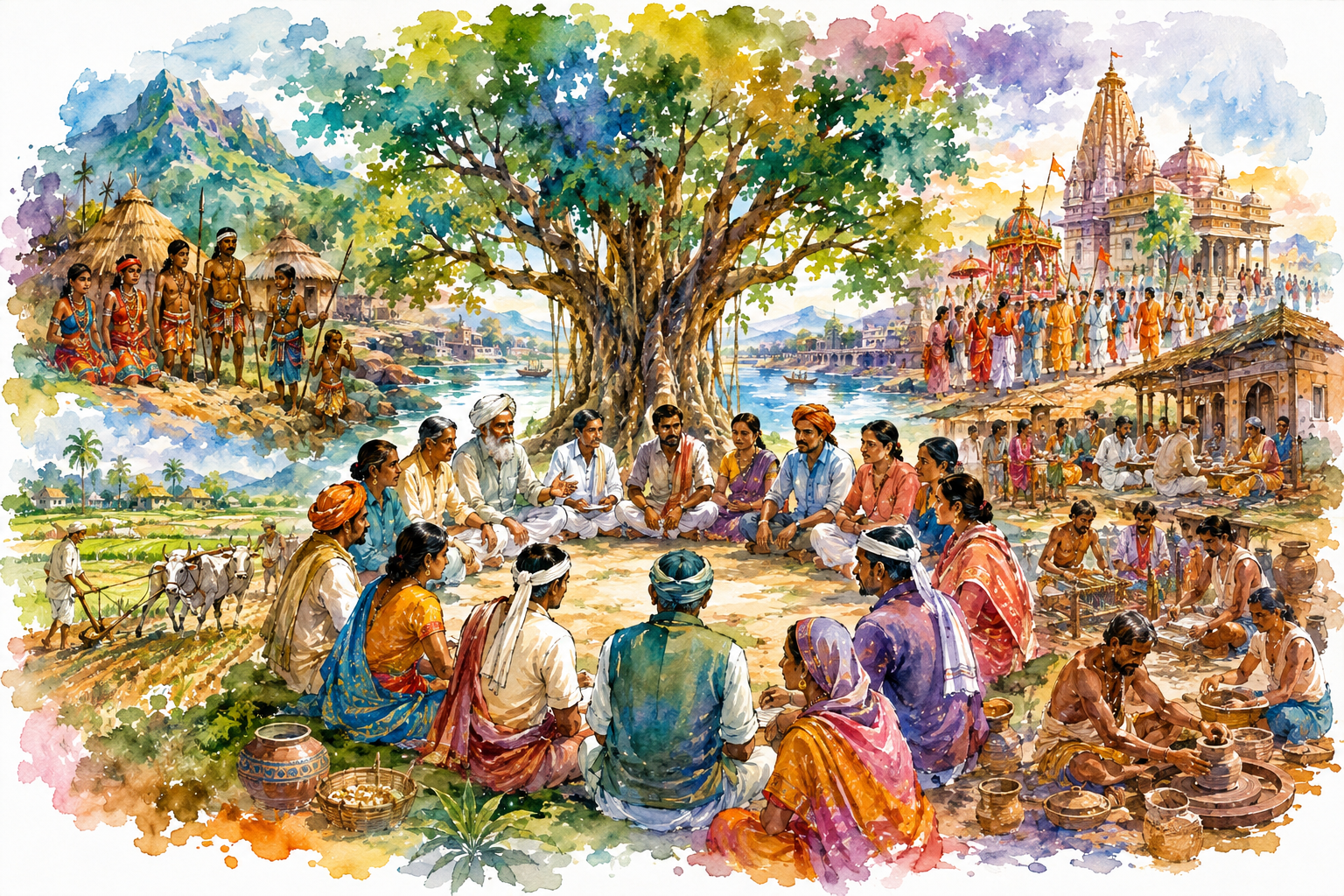
When Categories Become Conclusions Anthropology begins with a seemingly innocent act: naming what it observes.…
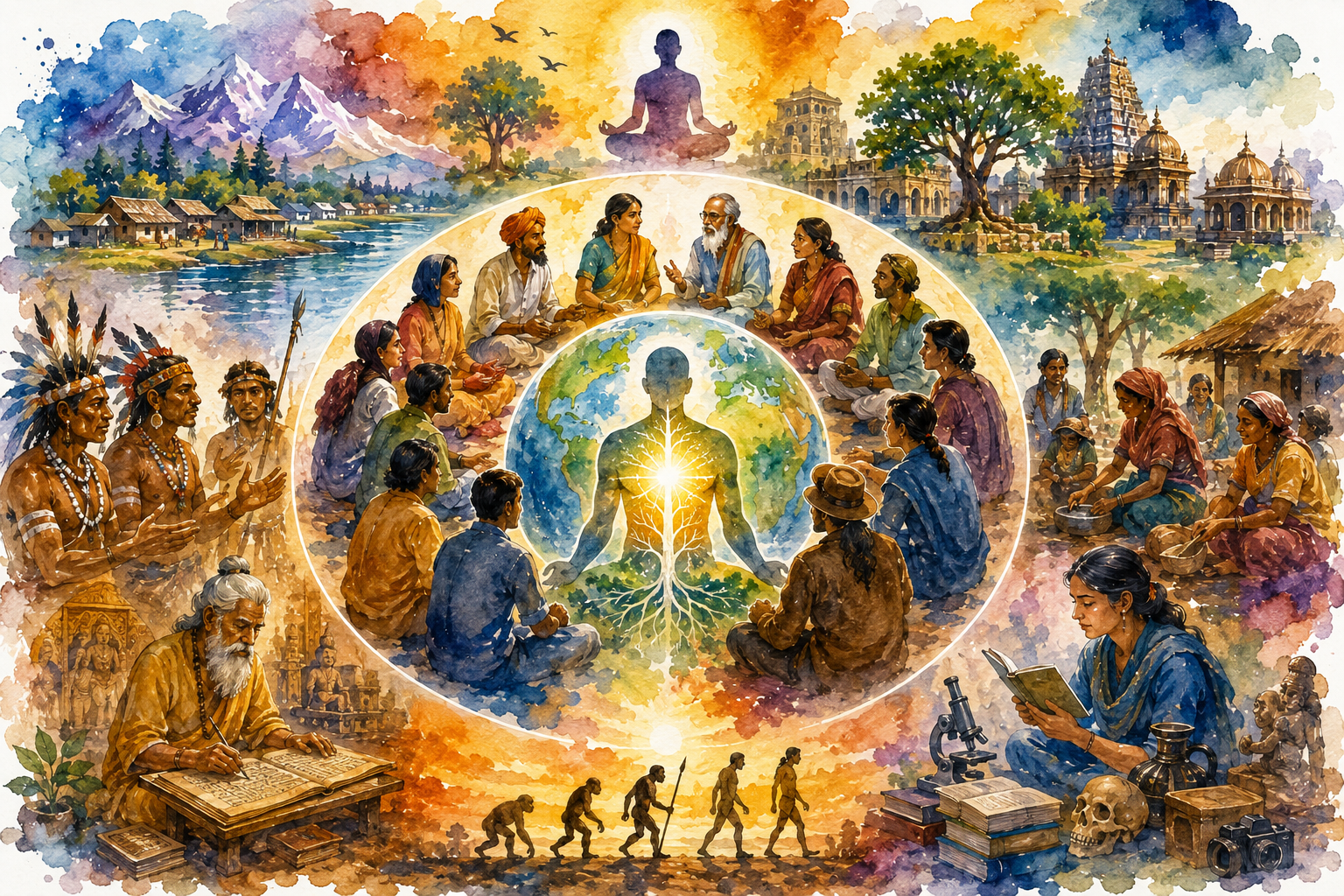
Re-examining the Universal Human Anthropology appears to begin with a simple object of inquiry: the…
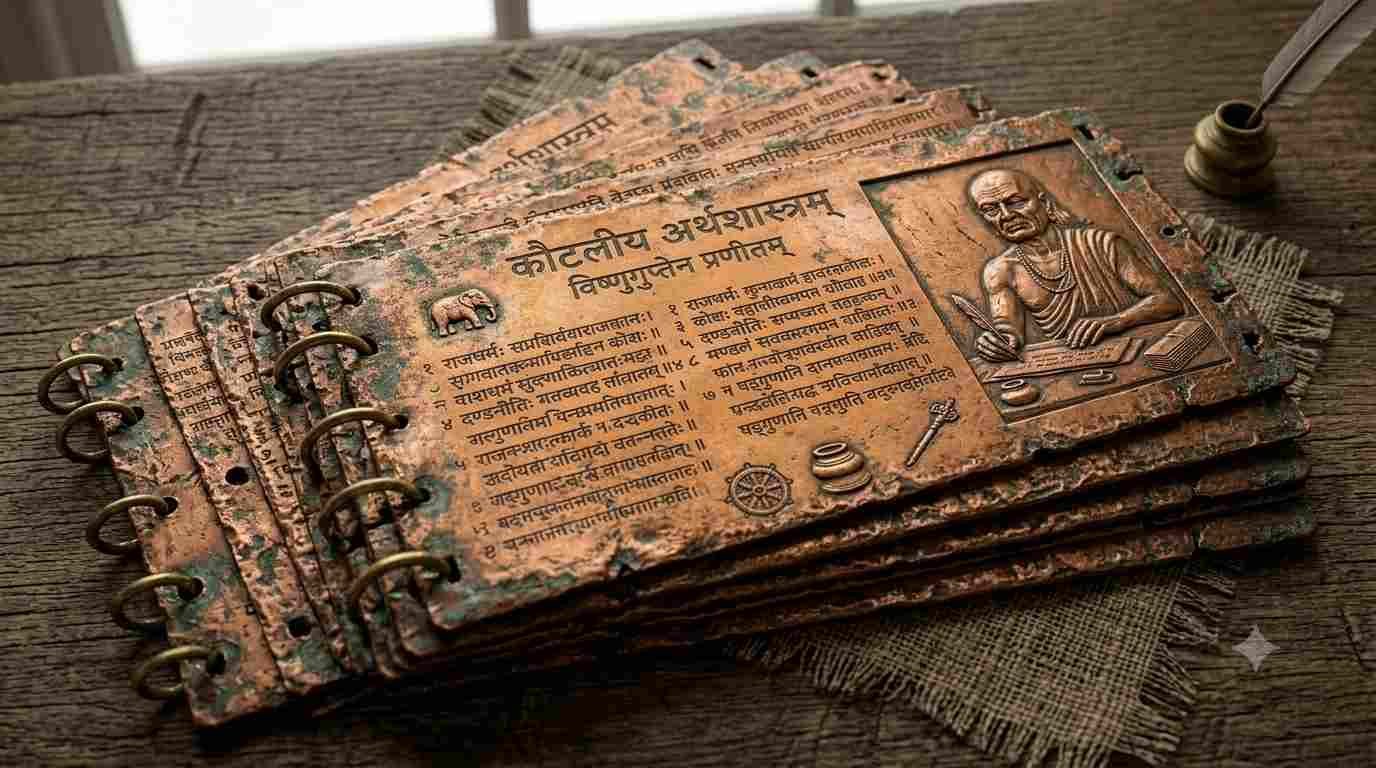
The Journey of the Arthaśāstra: The Book That Shaped an Empire and Disappeared There…
Understanding Artha When I first encountered the Arthaśāstra, I made the mistake that many modern…
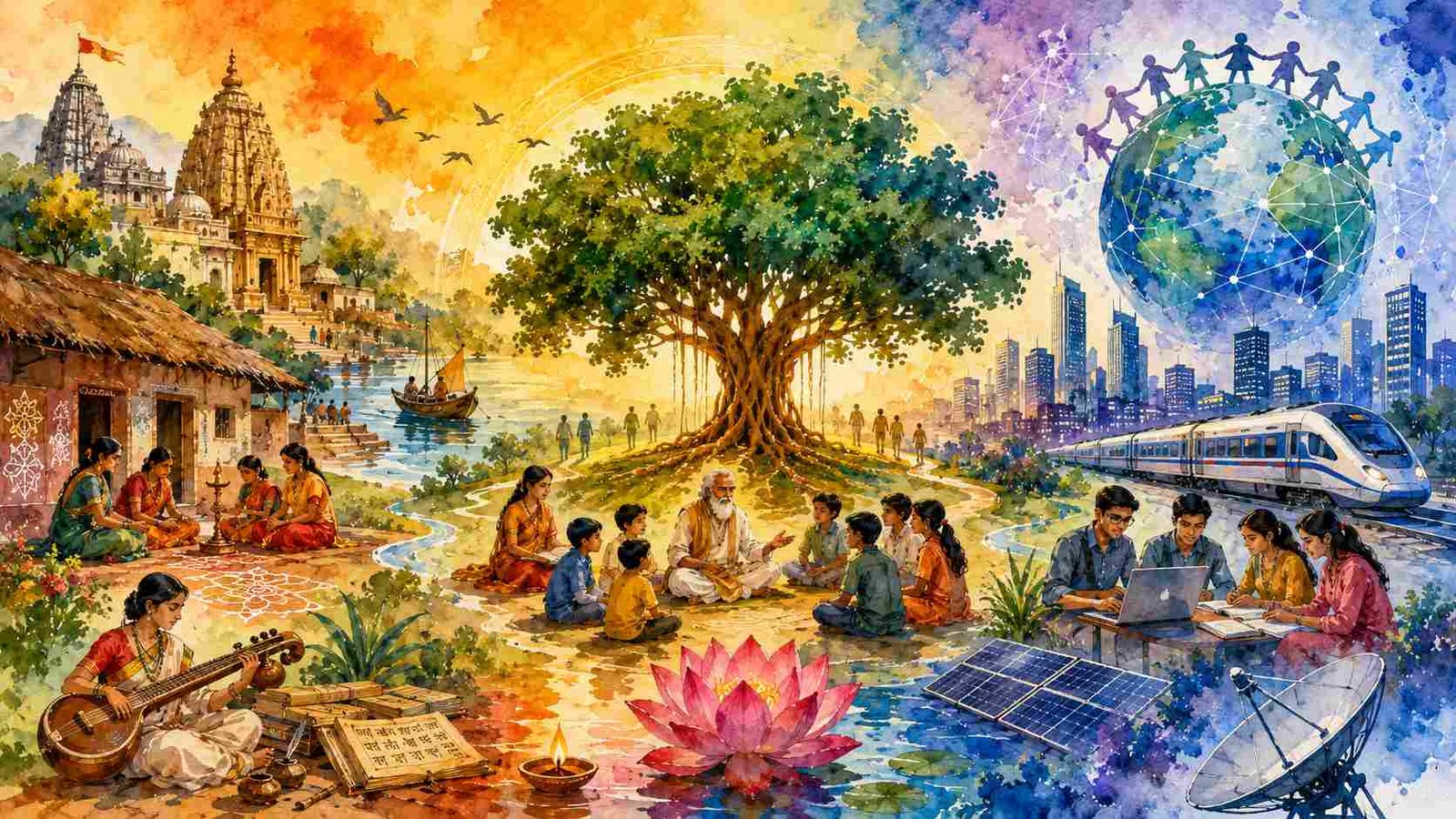
When does cultural exchange become cultural alienation? Every society changes through contact. Languages borrow…
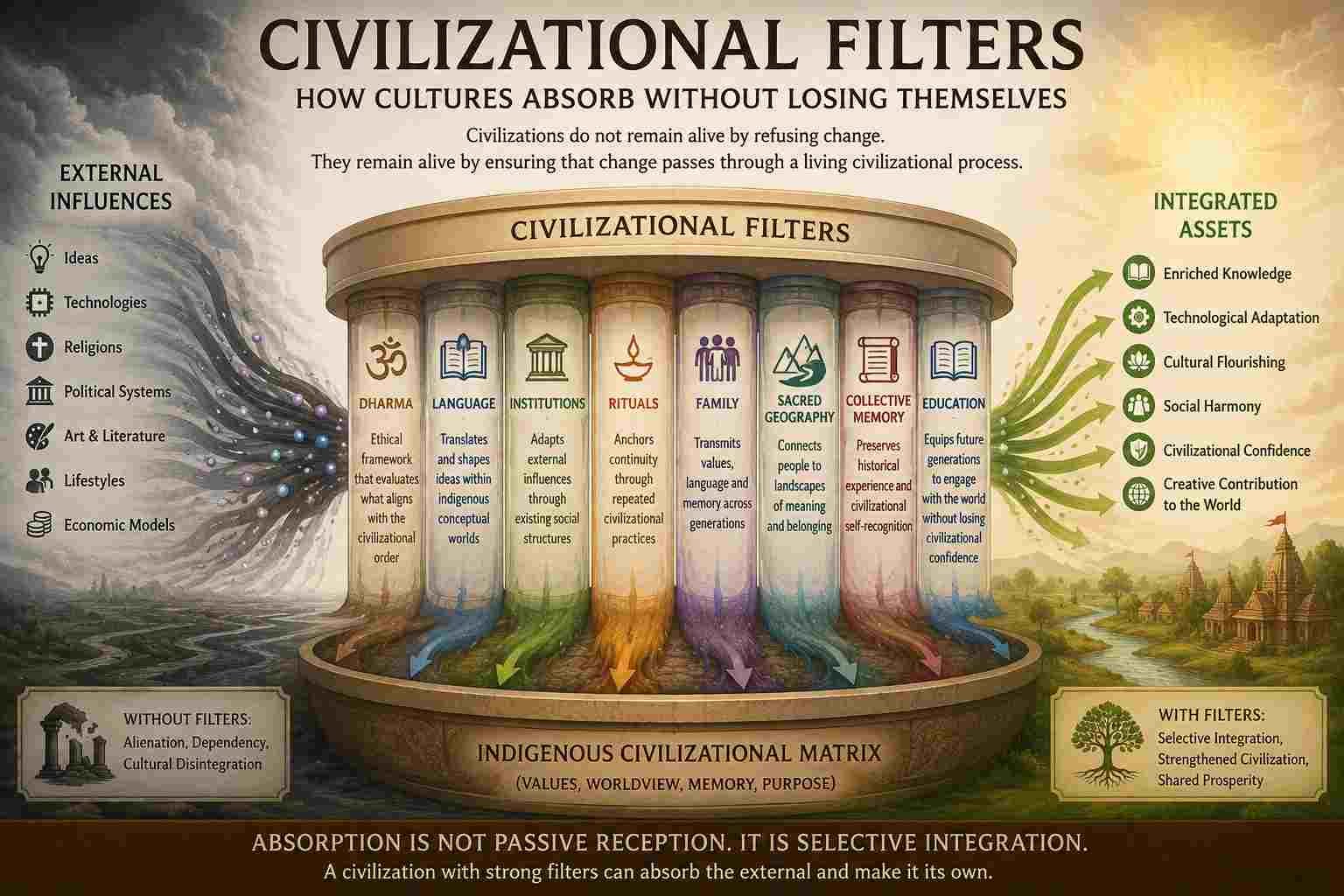
Why do some civilizations absorb foreign influences and emerge stronger, while others experience cultural disintegration?…
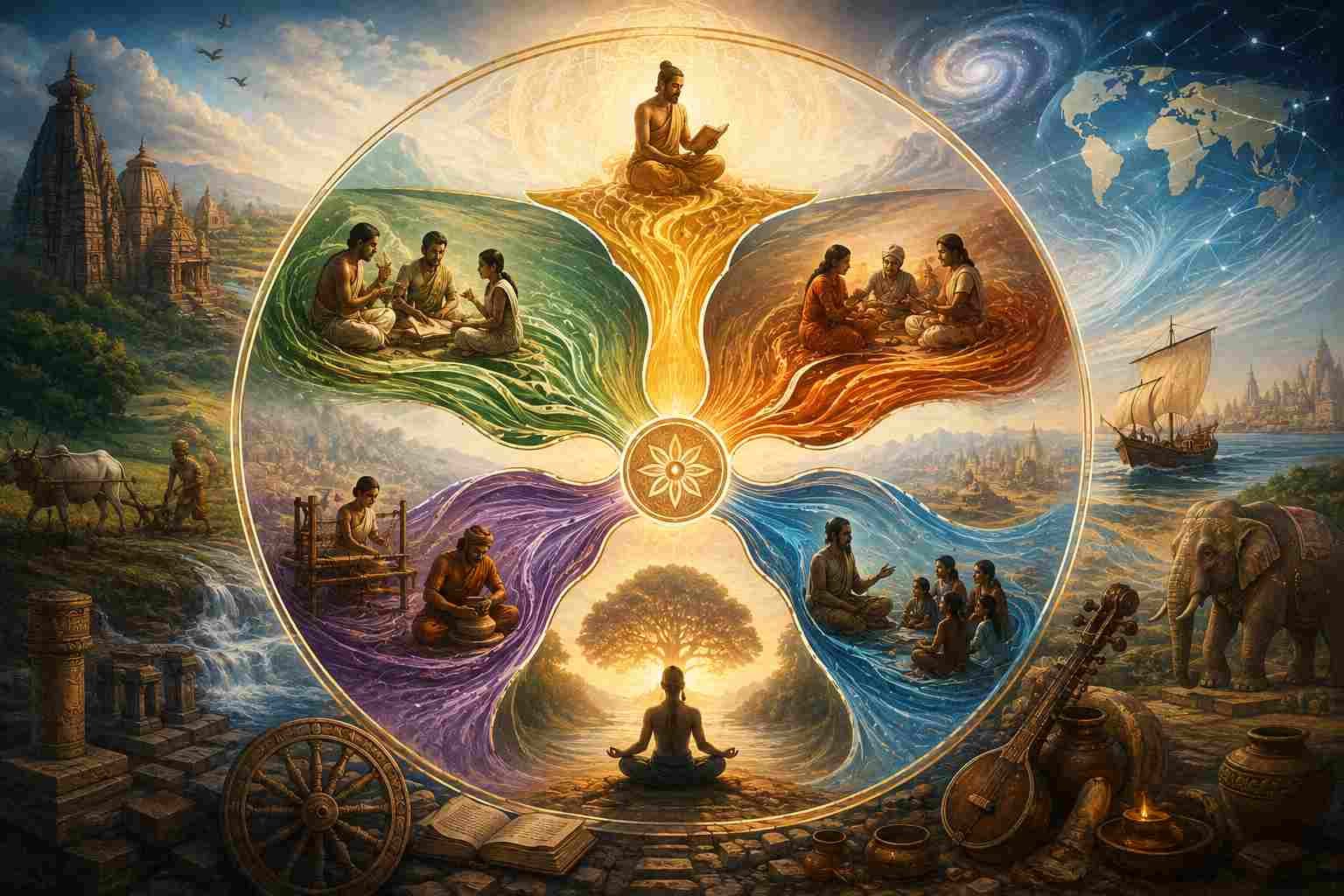
How does a civilization respond when it encounters something foreign? The question has become increasingly…
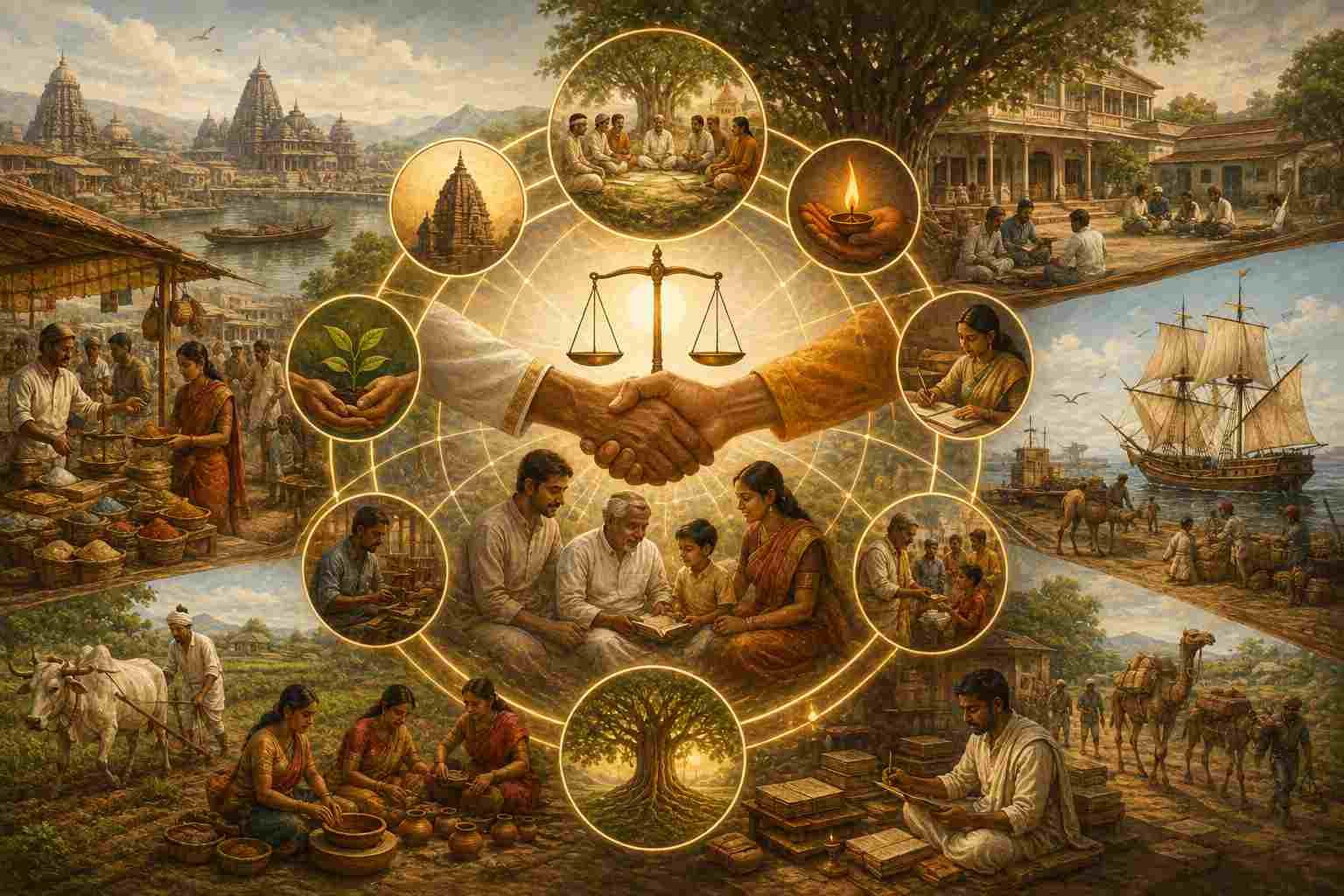
What keeps markets healthy? The usual economic answer is familiar: contracts, prices, competition, regulation and…
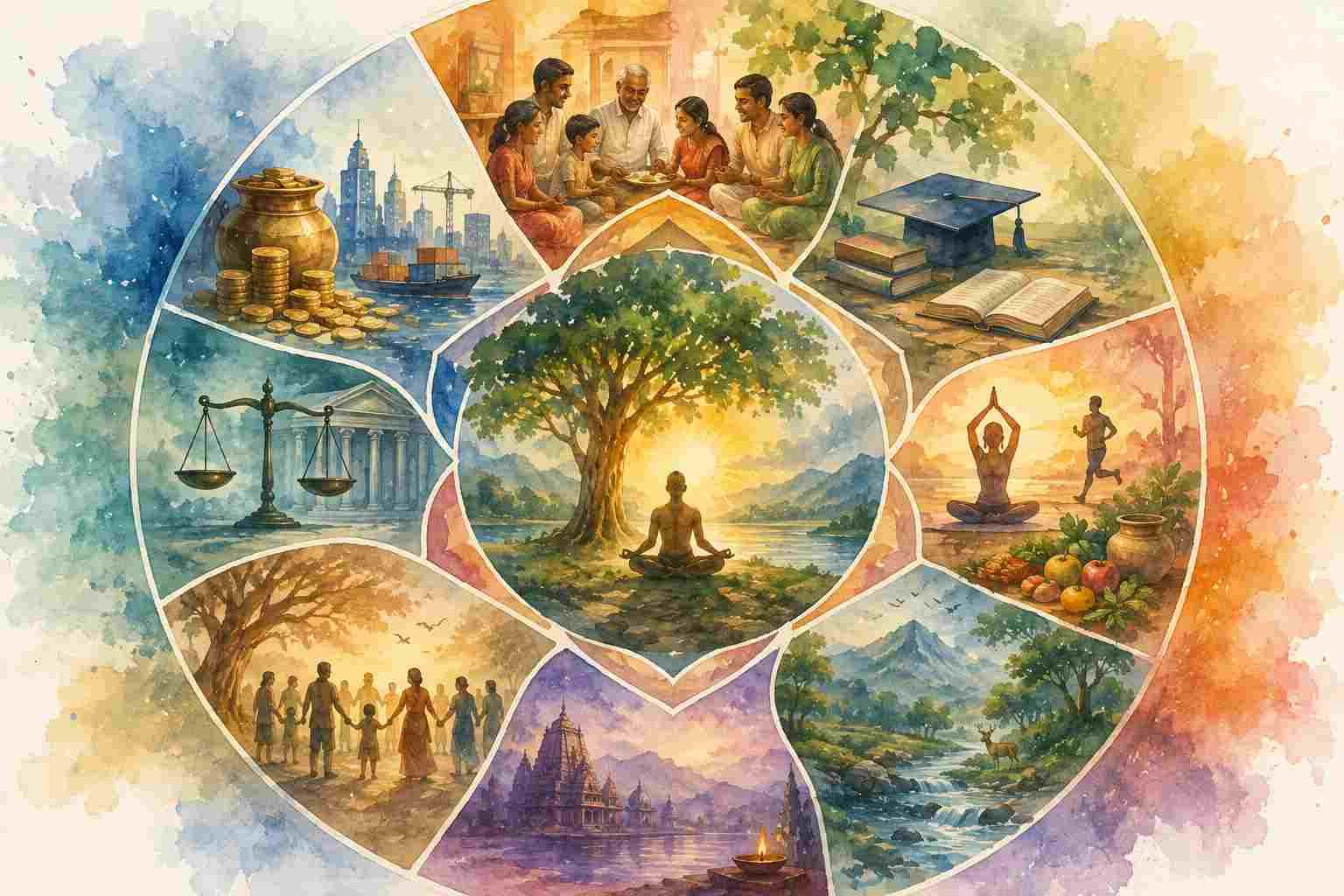
What is wealth? The modern answer is usually numerical. We measure prosperity through income,…
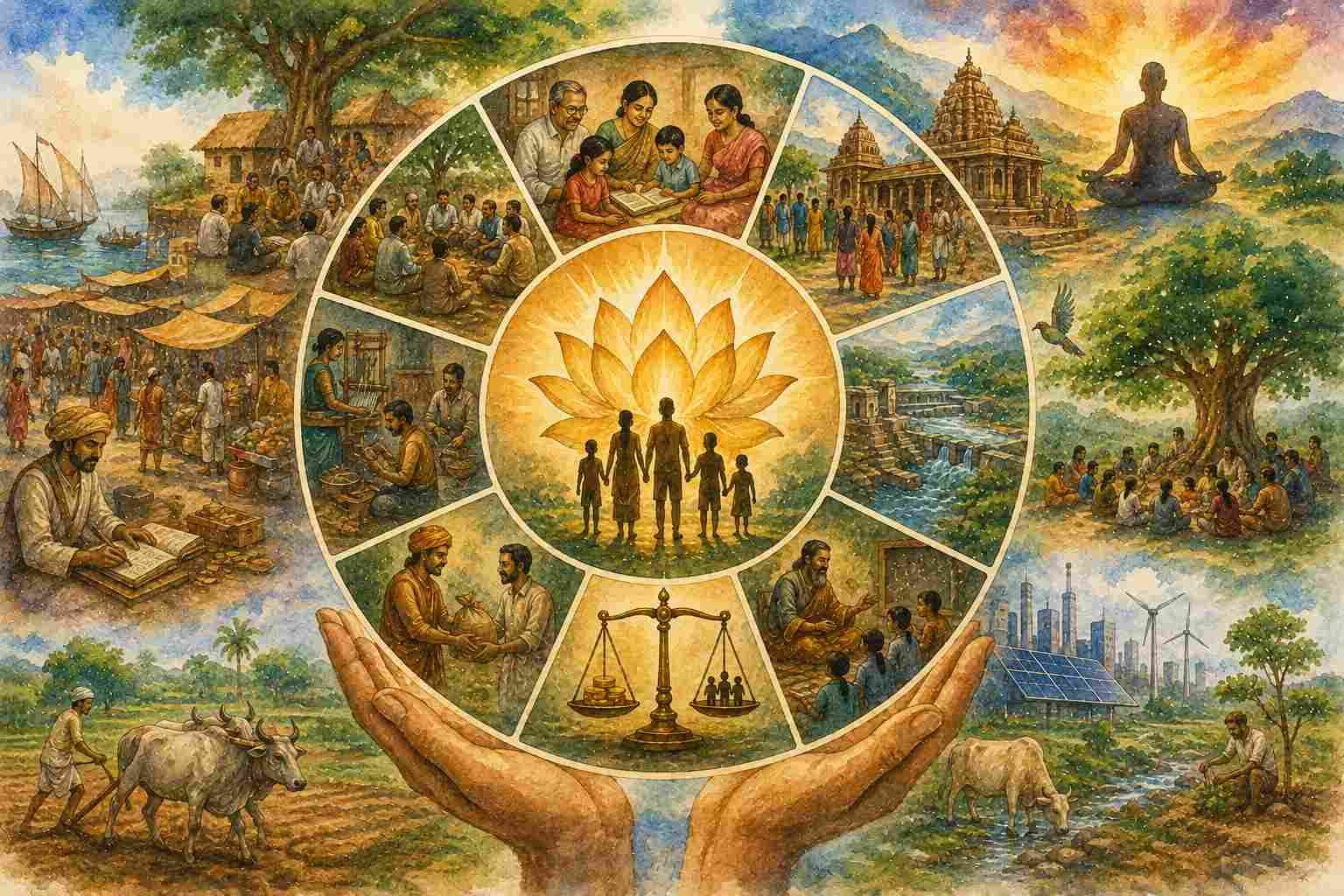
Can Economics Be Separated from Society? Modern economic theory often begins with an abstraction:…
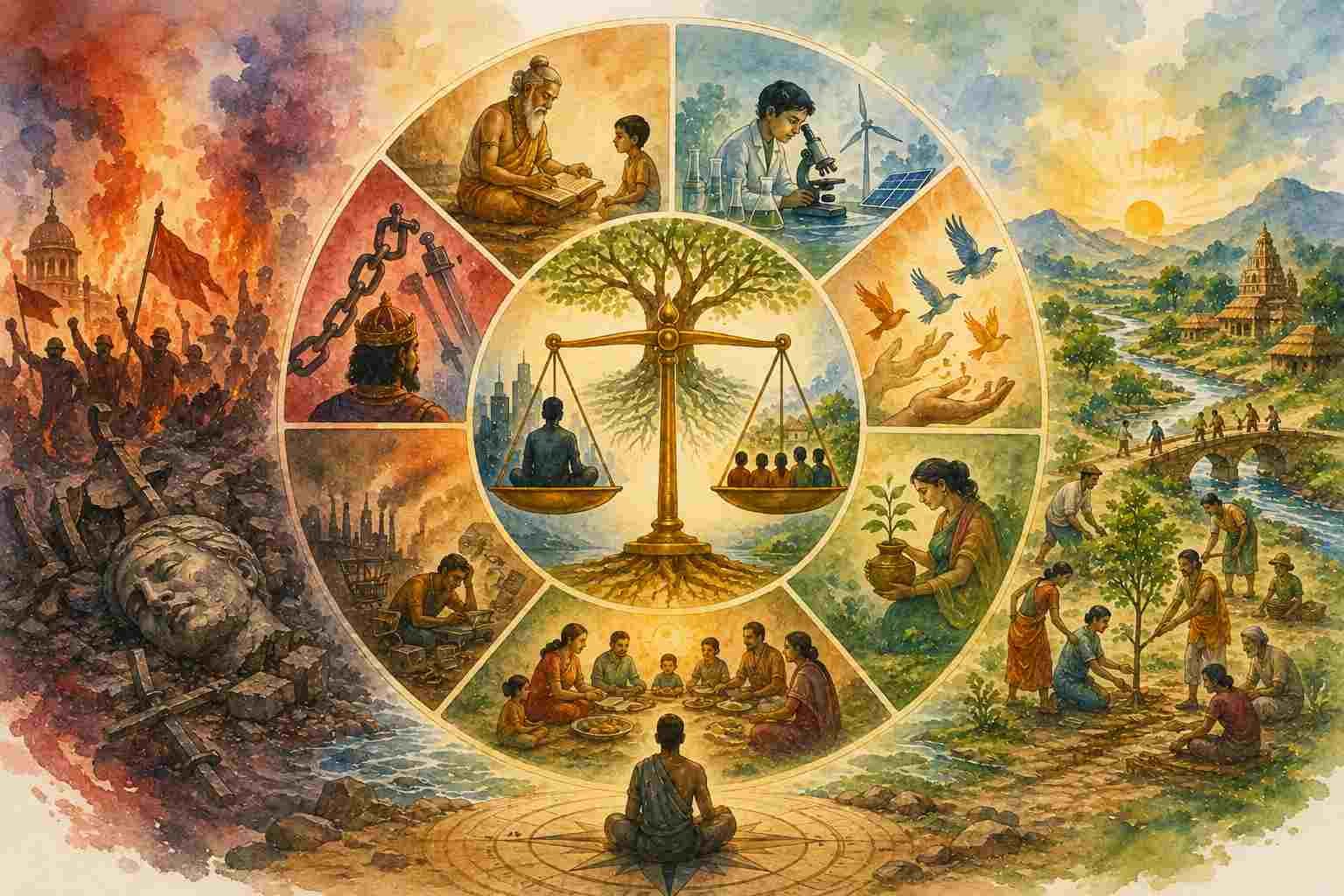
What should guide long-term reform? Every society changes, but the real question is not…
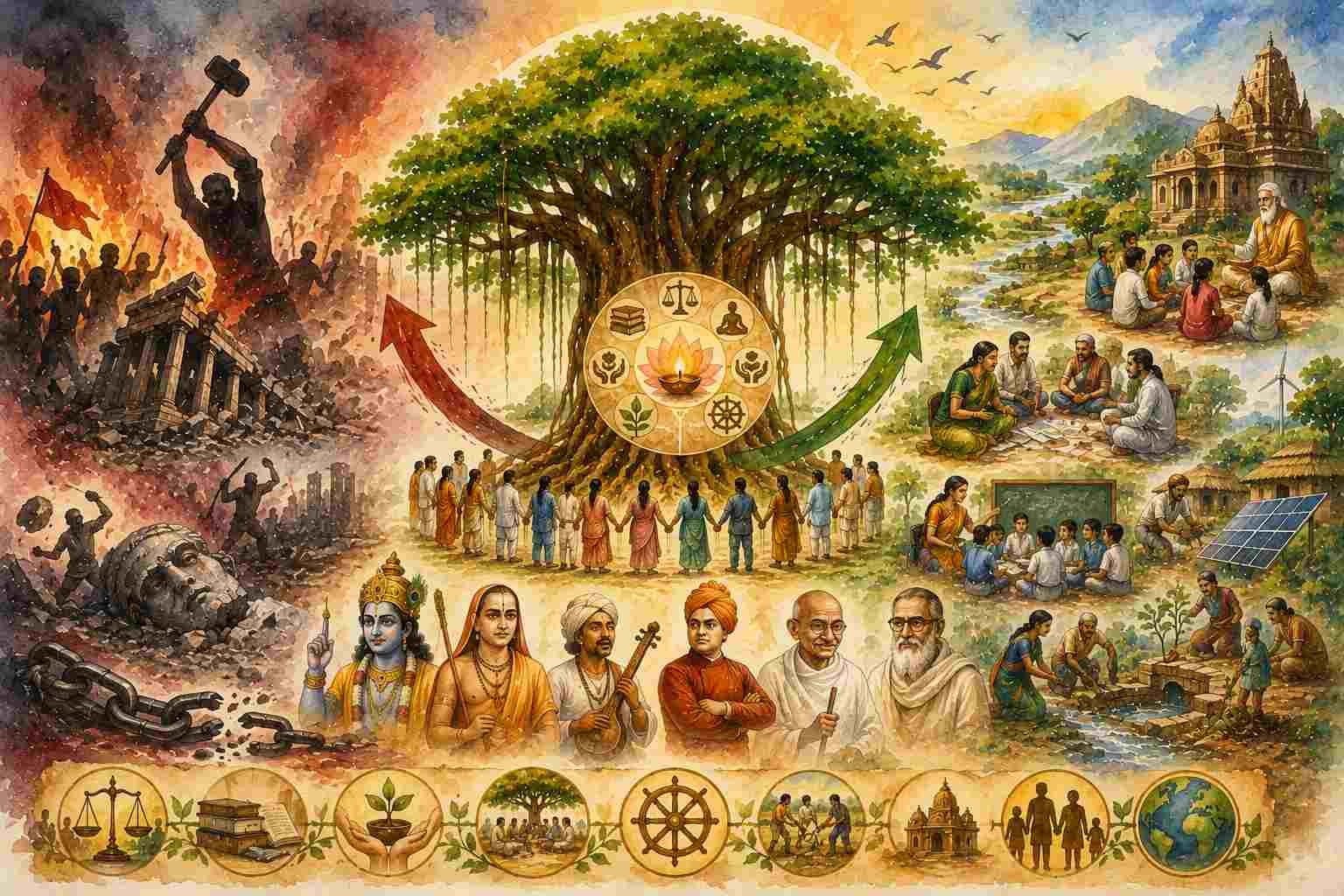
When society declines, what should be done? When a society begins to decline, the…
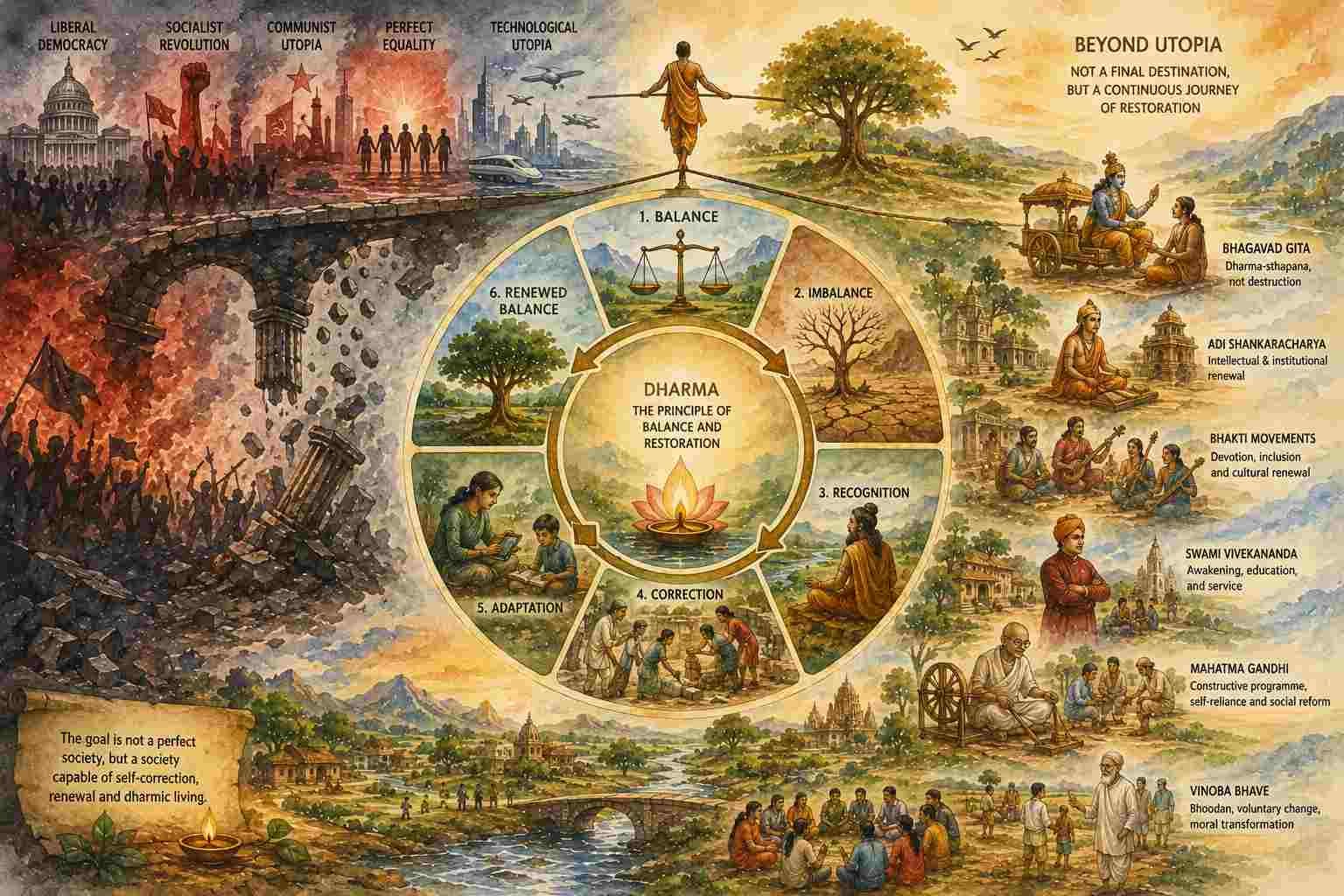
How Do Societies Transform? How does society change? Does history move toward a final destination,…
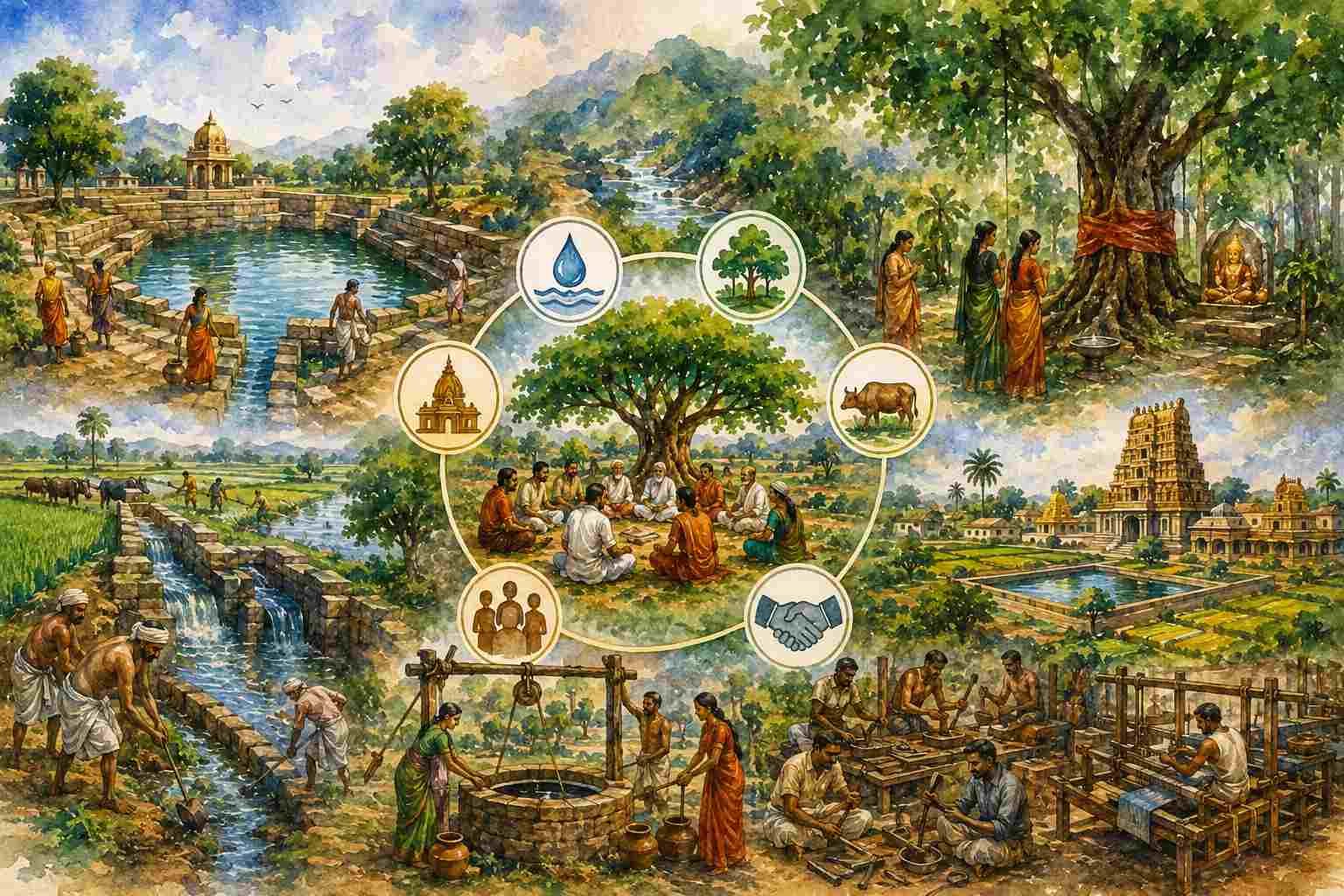
How did Indic civilization manage common resources without excessive central control? The history of modern…
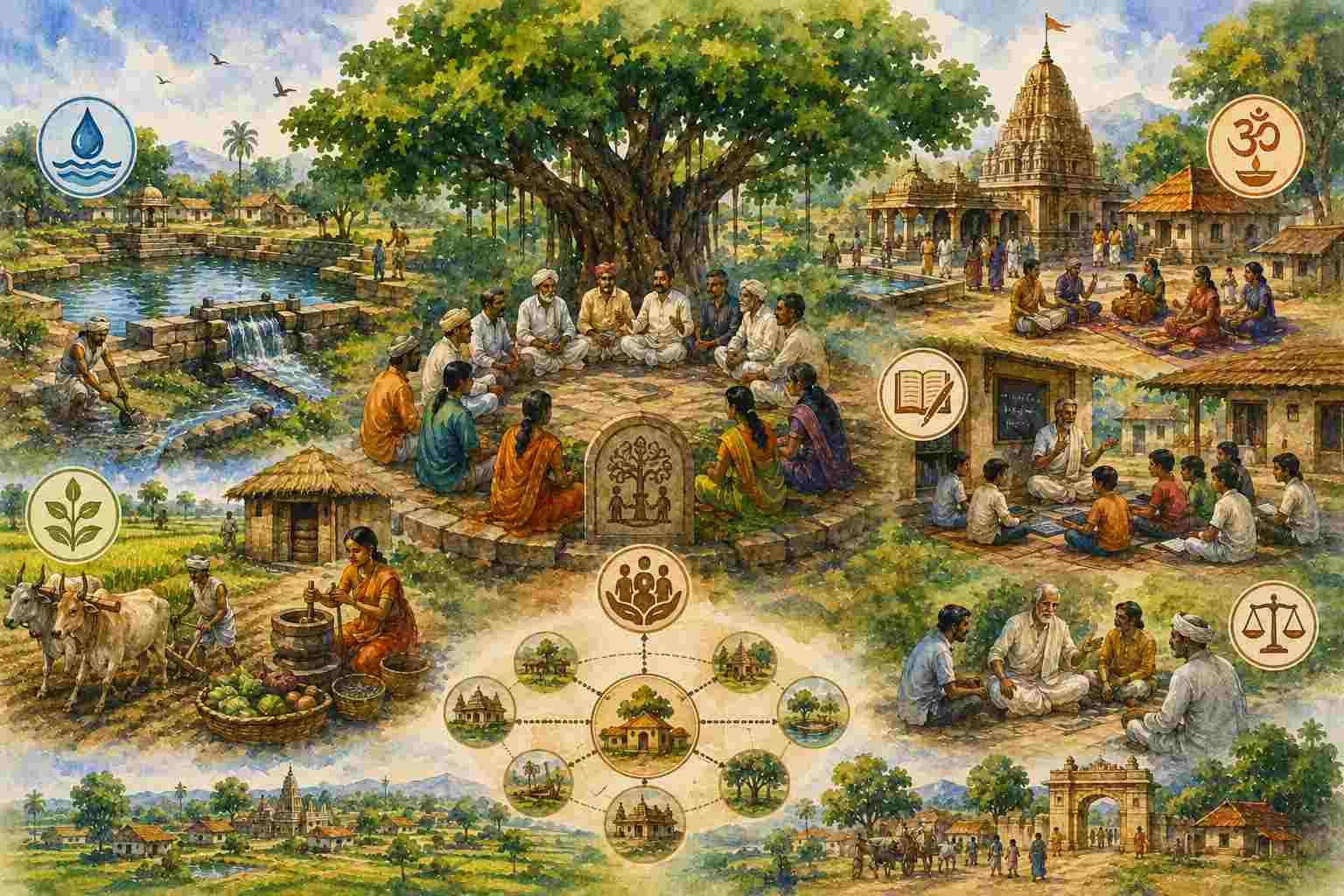
Why did villages remain remarkably resilient across centuries despite changes in dynasties and empires? A…
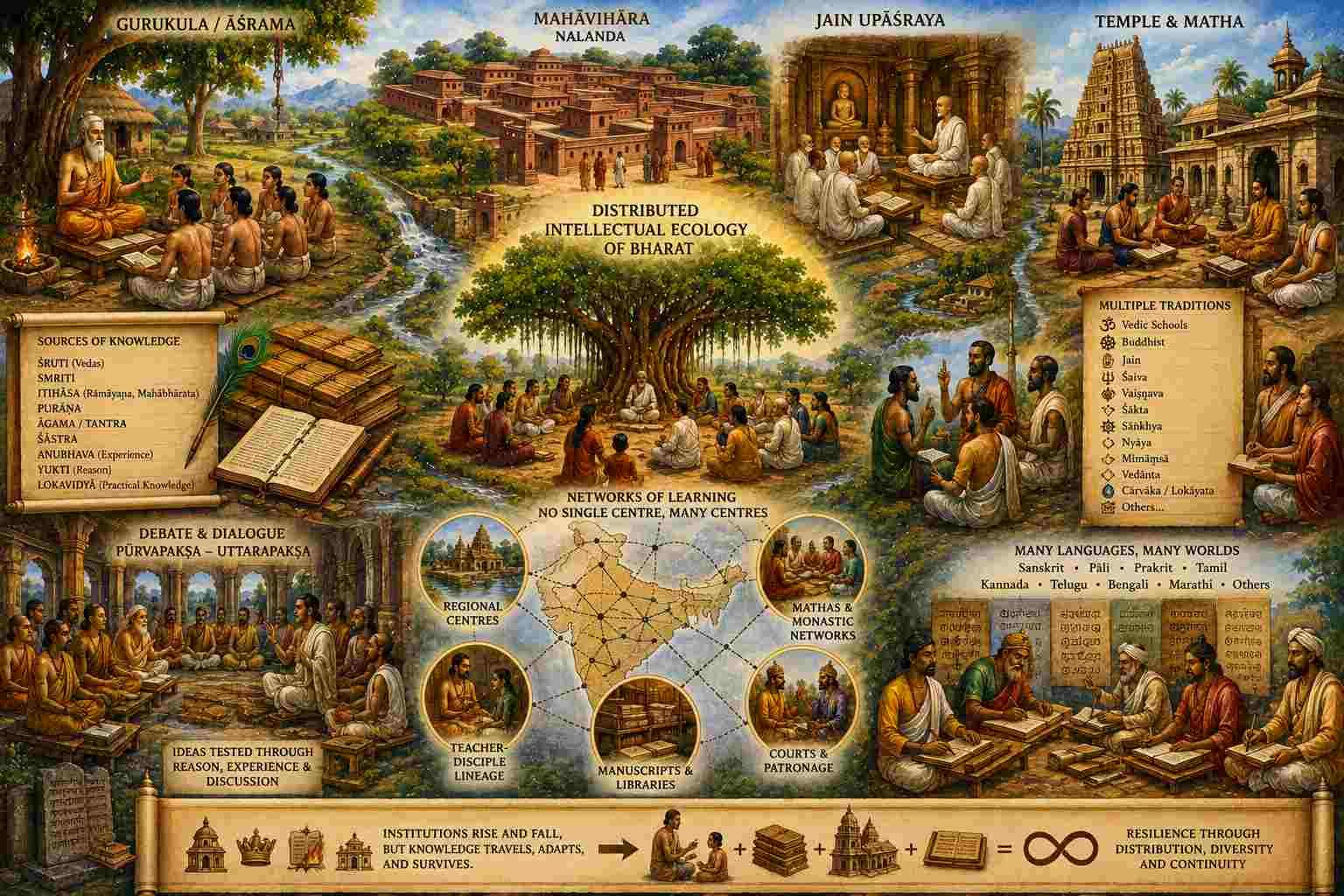
Was Knowledge in Bharat Controlled by One Authority? To understand the structure of knowledge…
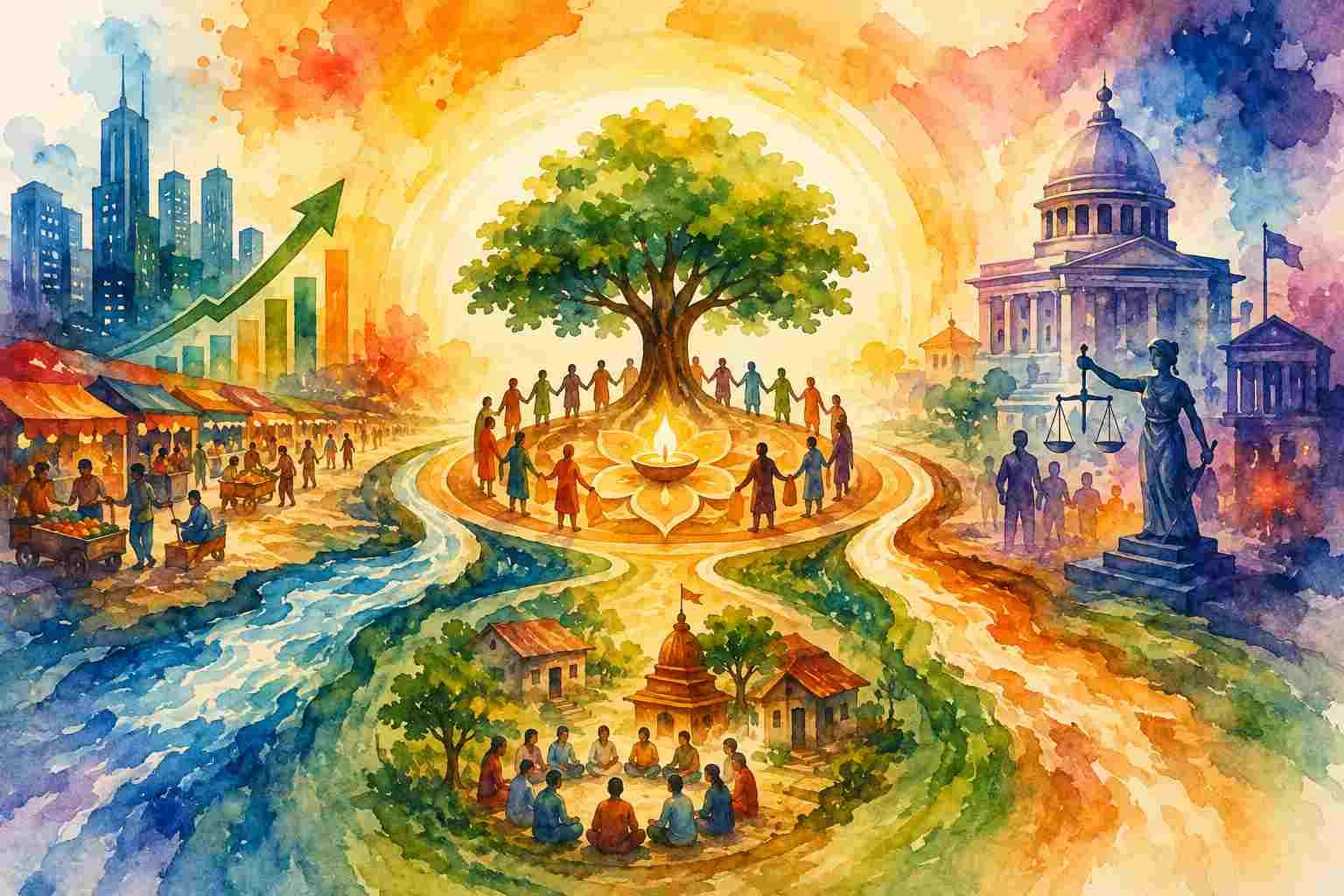
Can a society integrate market, community and state without allowing any one of them to…
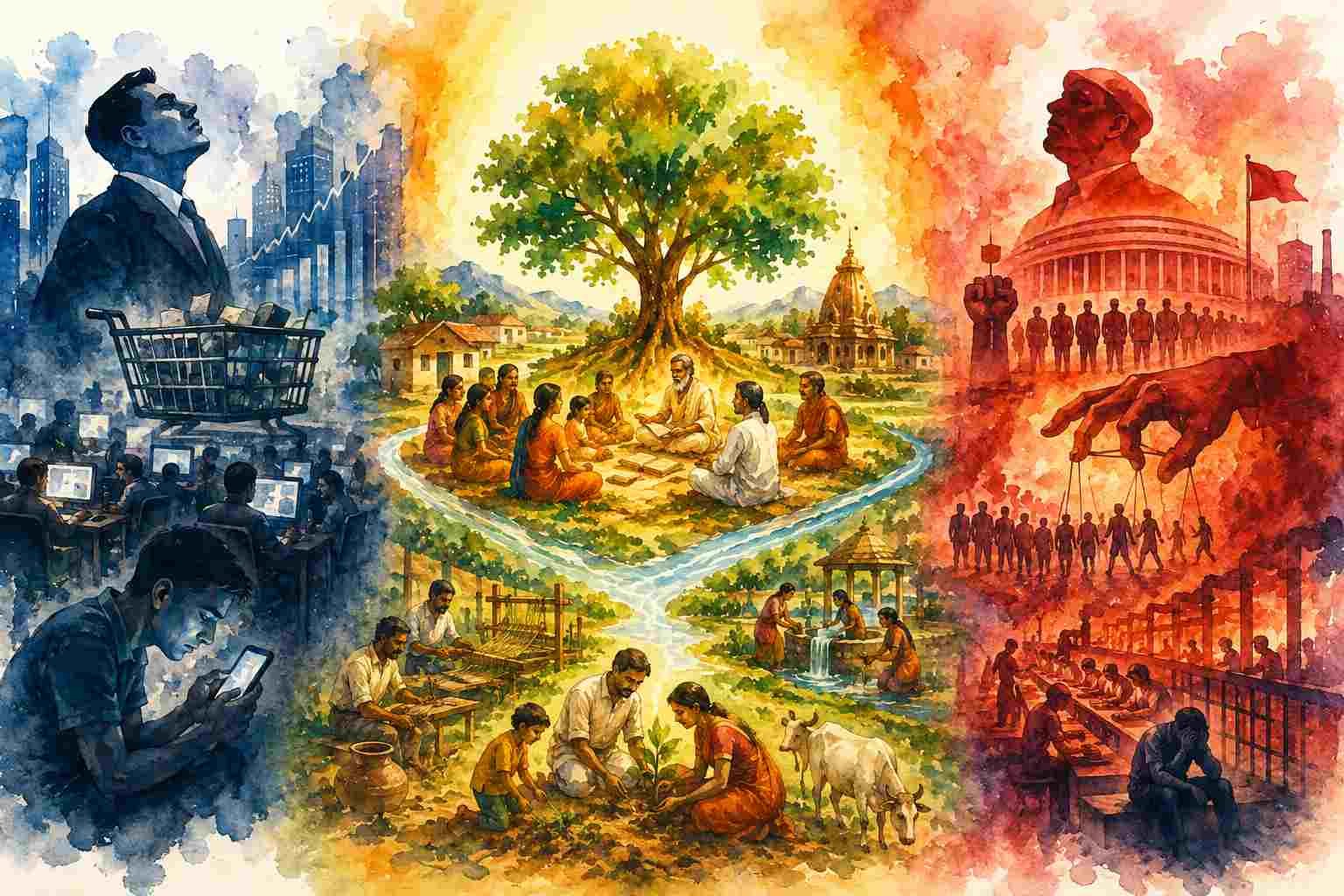
What happens when society begins not with the question of what an individual can claim,…
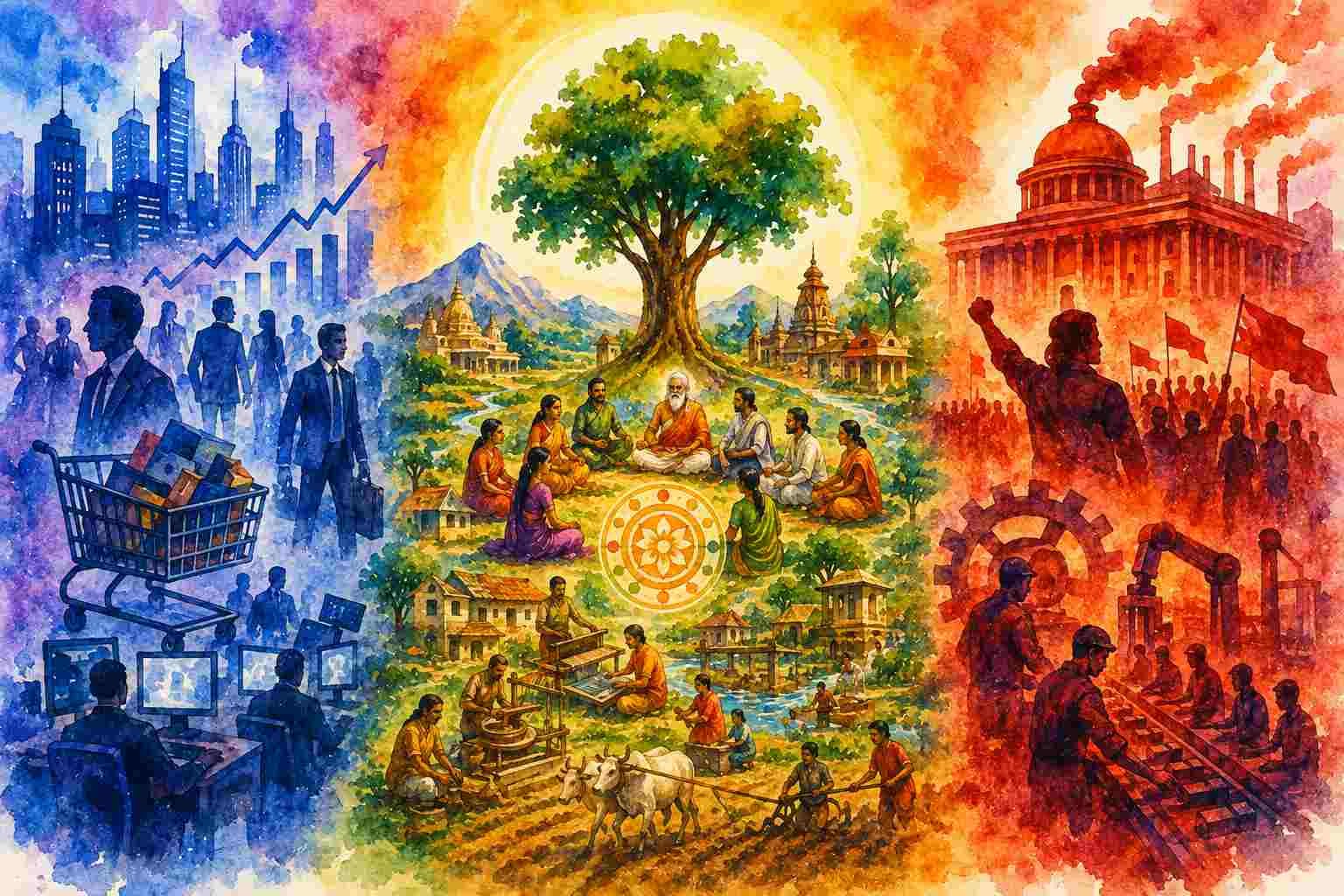
Can Indic thought be classified as conservative, socialist, capitalist, liberal or communist? The question appears…
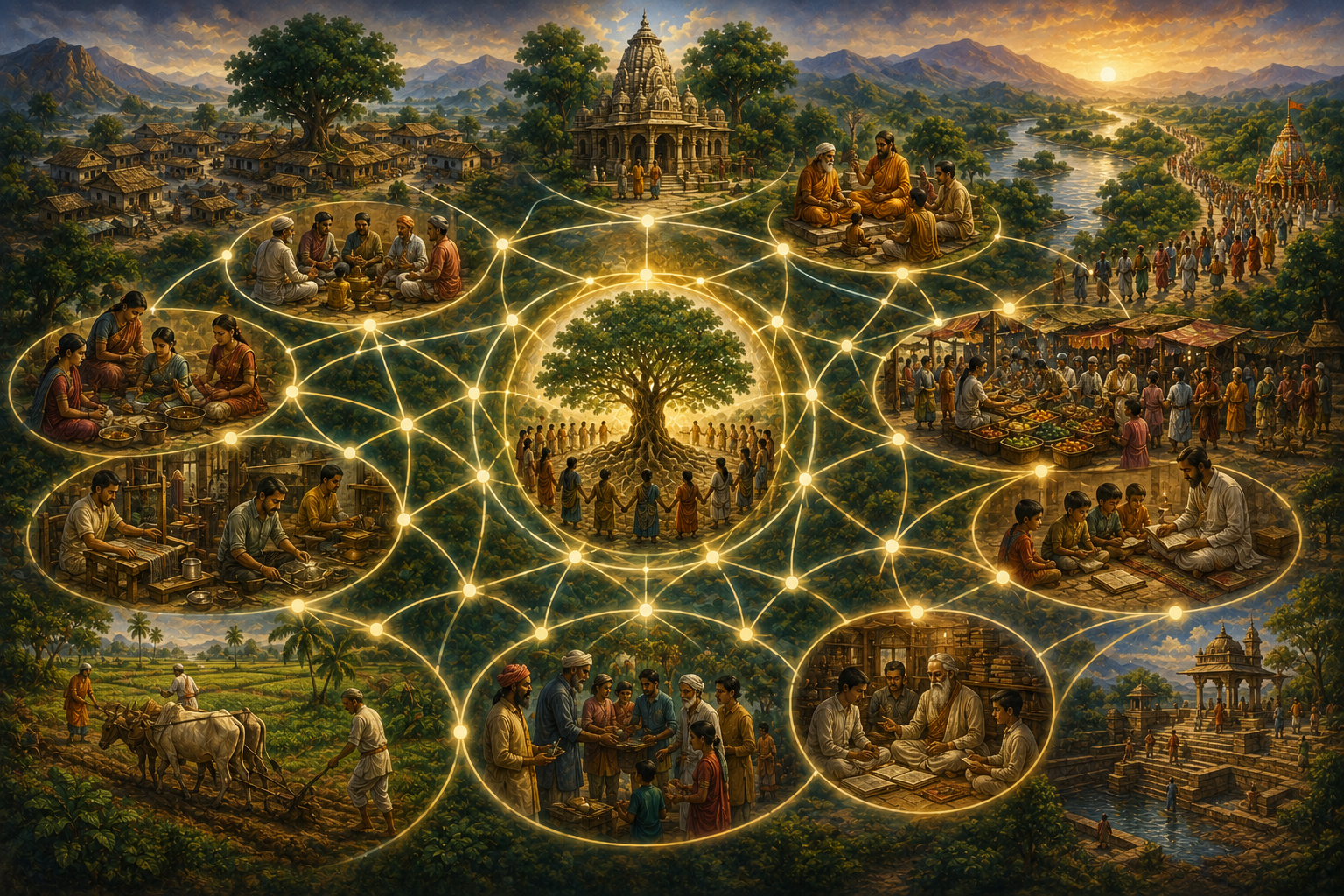
How does order arise without centralized control? One of the most interesting questions in the…
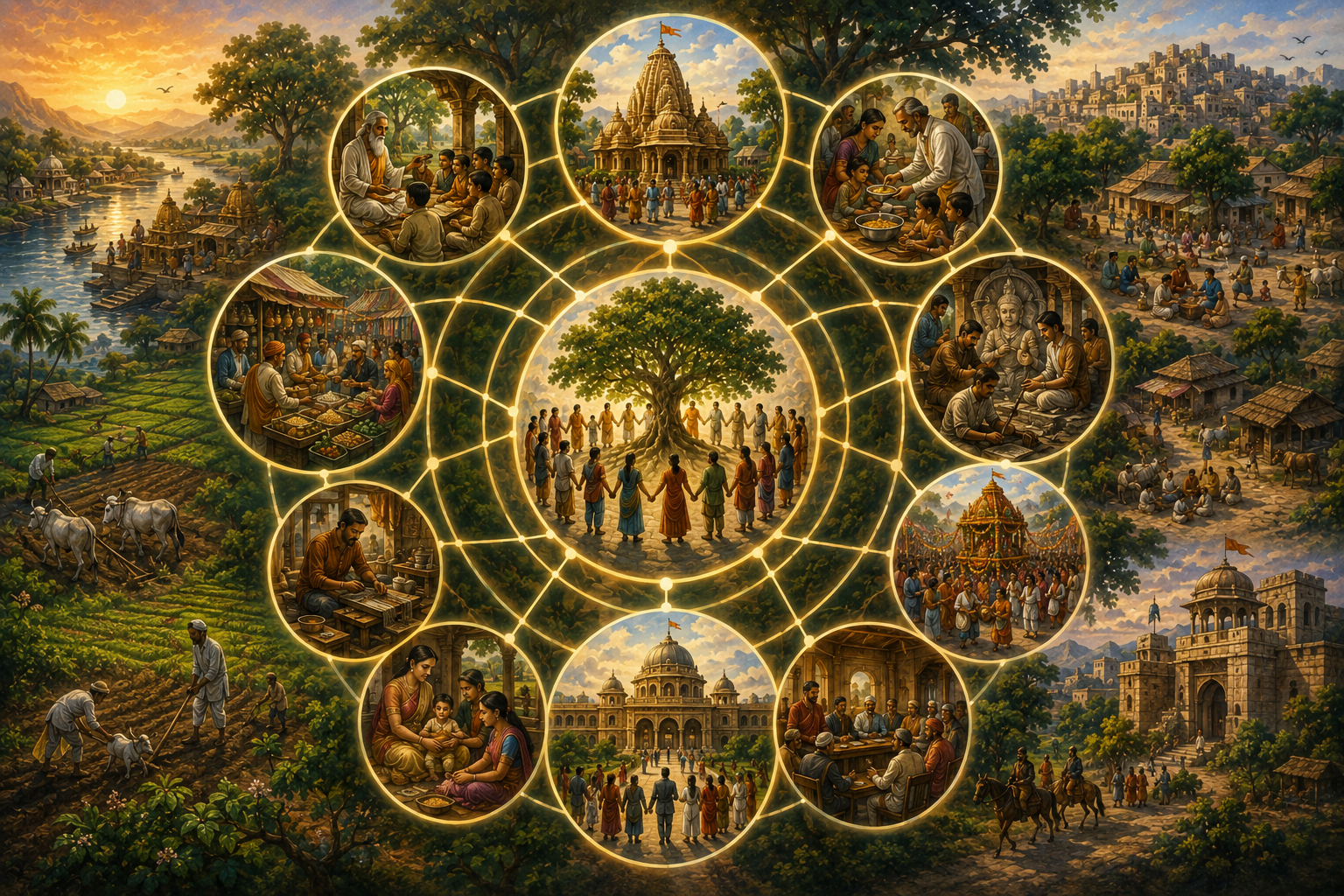
Why have Indic institutions historically shown remarkable resilience? What happens when we stop studying institutions…
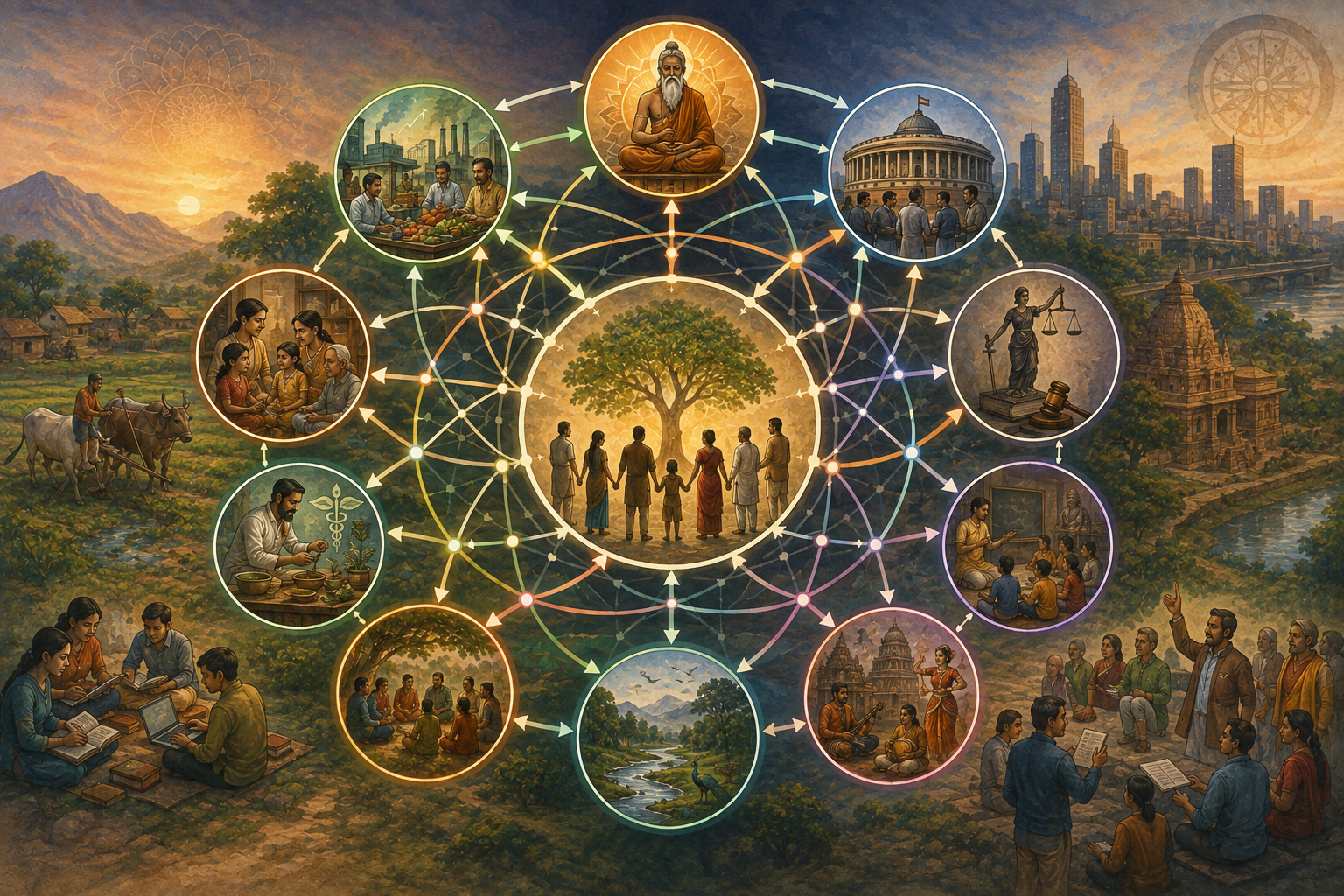
Can society be understood by studying its parts separately? Modern social sciences have become exceptionally…
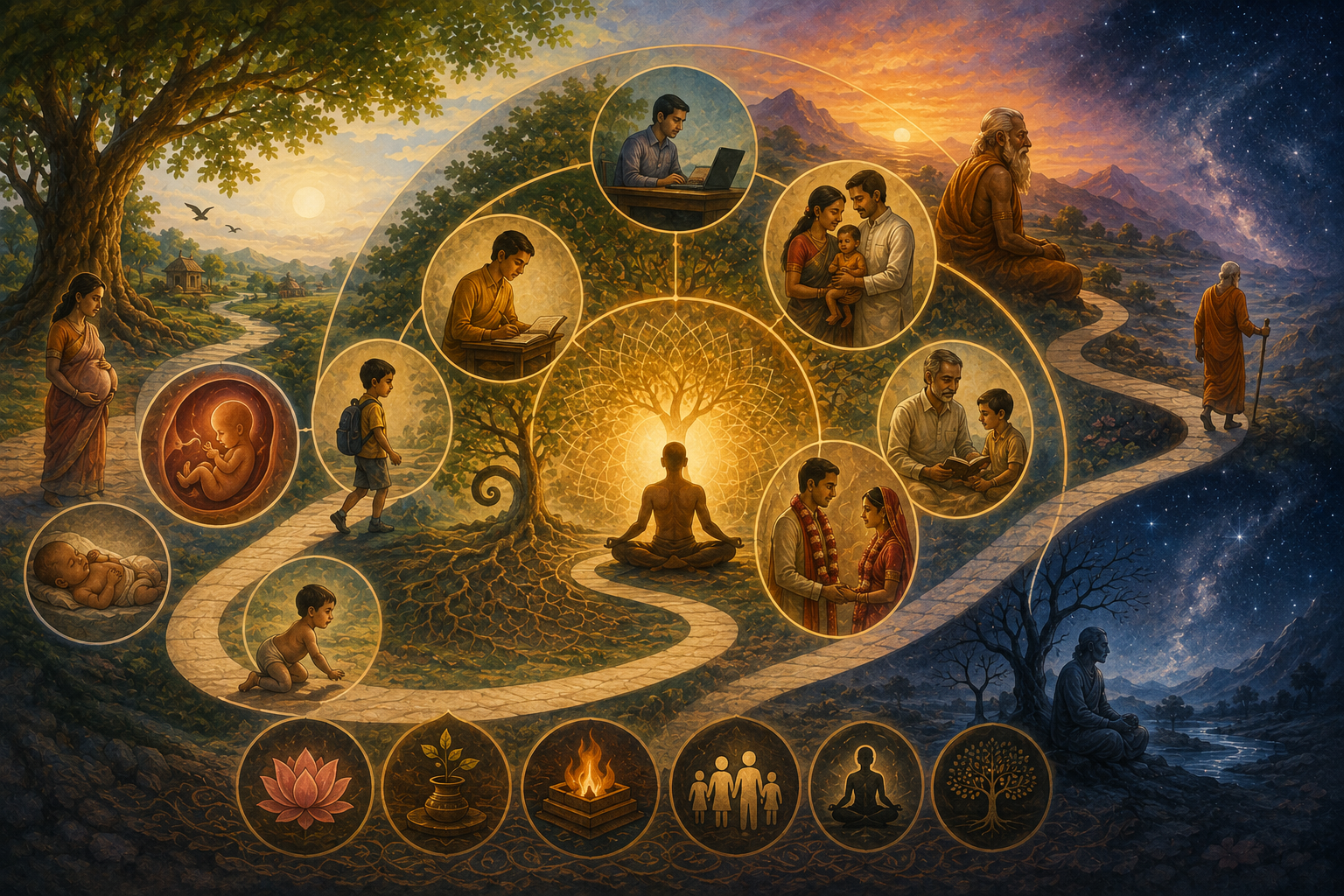
How does an individual move through society? Modern theories of human development generally describe life…
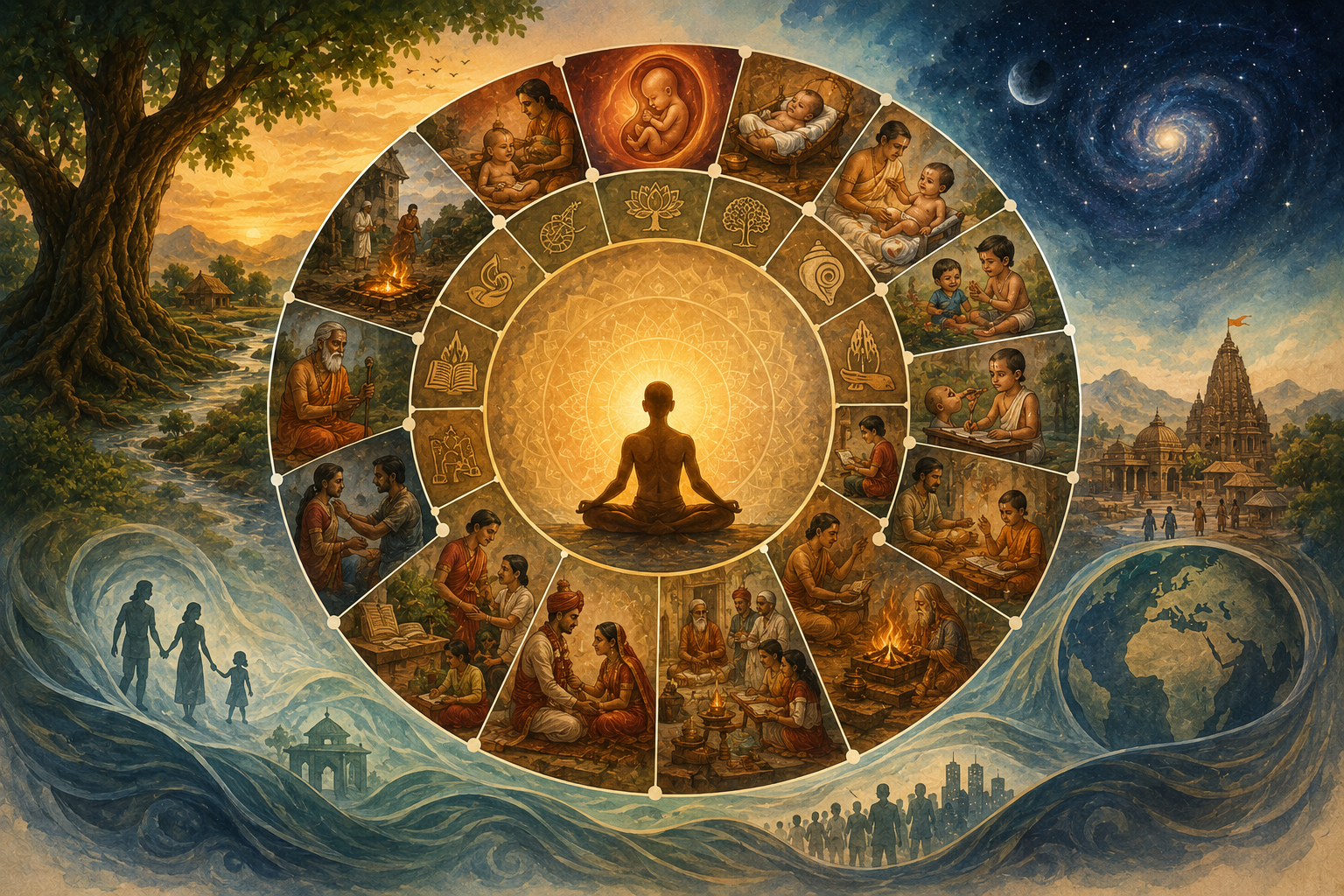
Can rituals function as institutions of socialization? Modern sociology has a familiar answer to the…
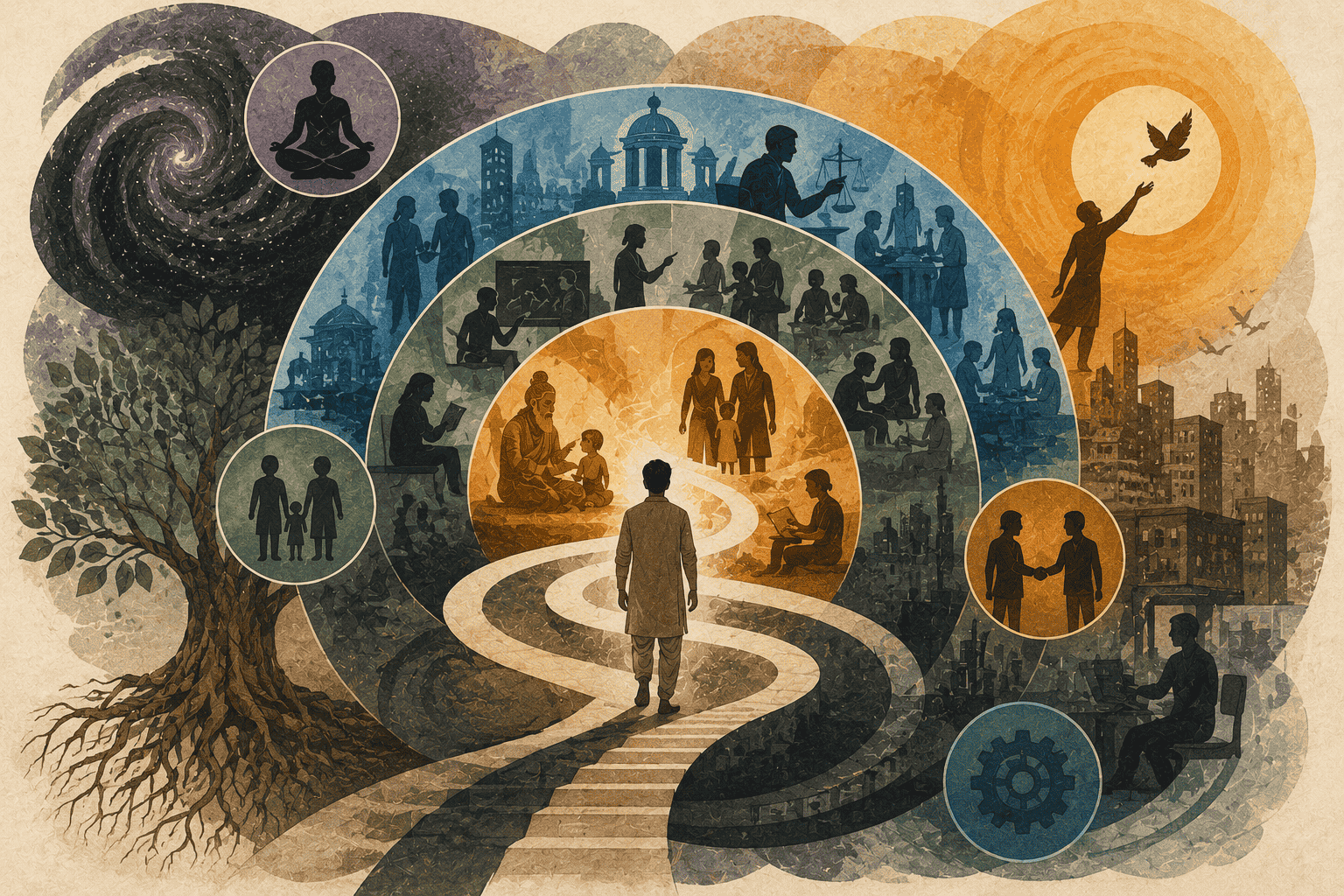
How does an individual become the person that society eventually encounters? The familiar debate between…
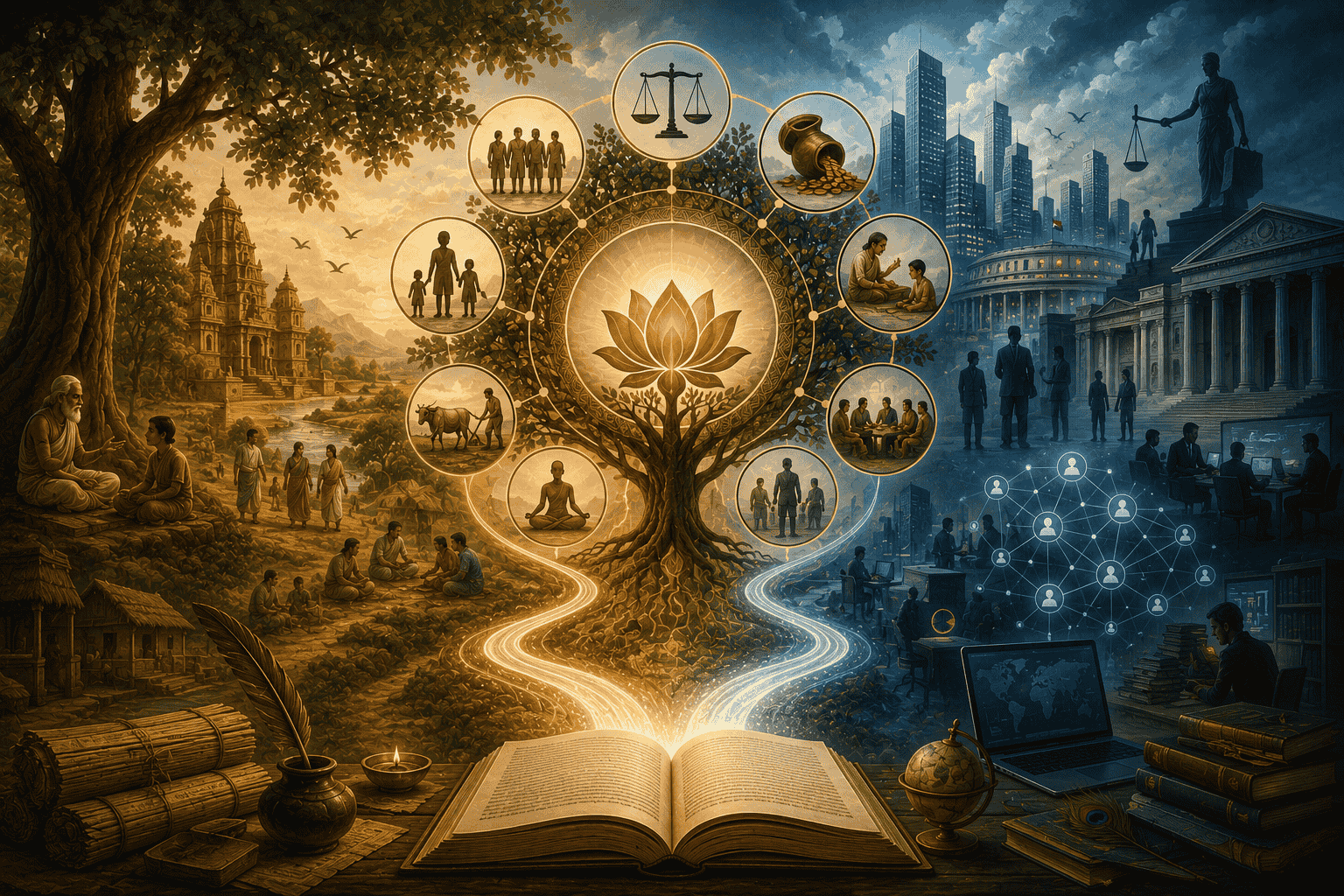
Can the social sciences be rewritten using Indic terminology? Suppose we take a familiar social-science…
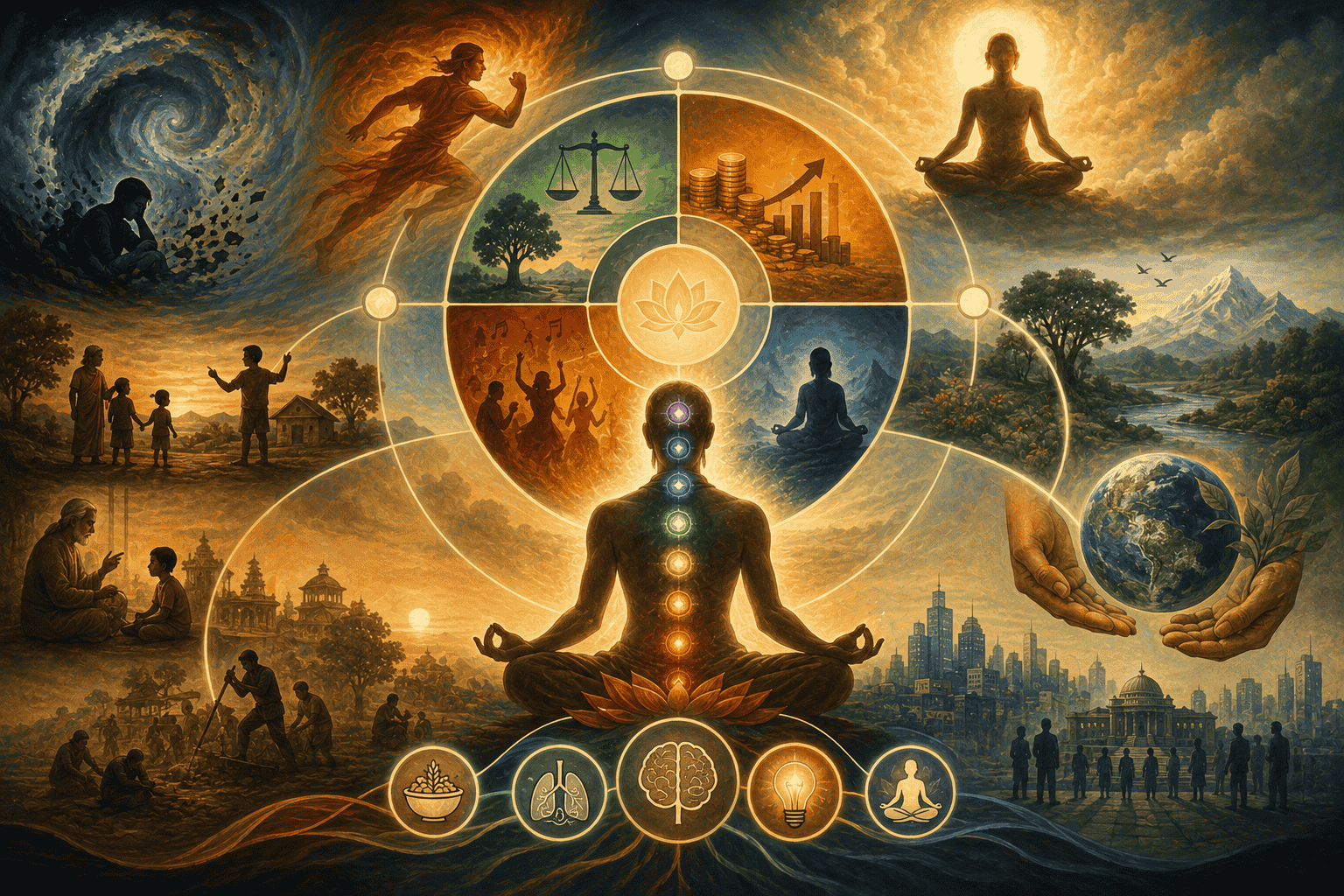
Reconstructing the Indic Theory of Human Behaviour How does a civilization understand the human being?…
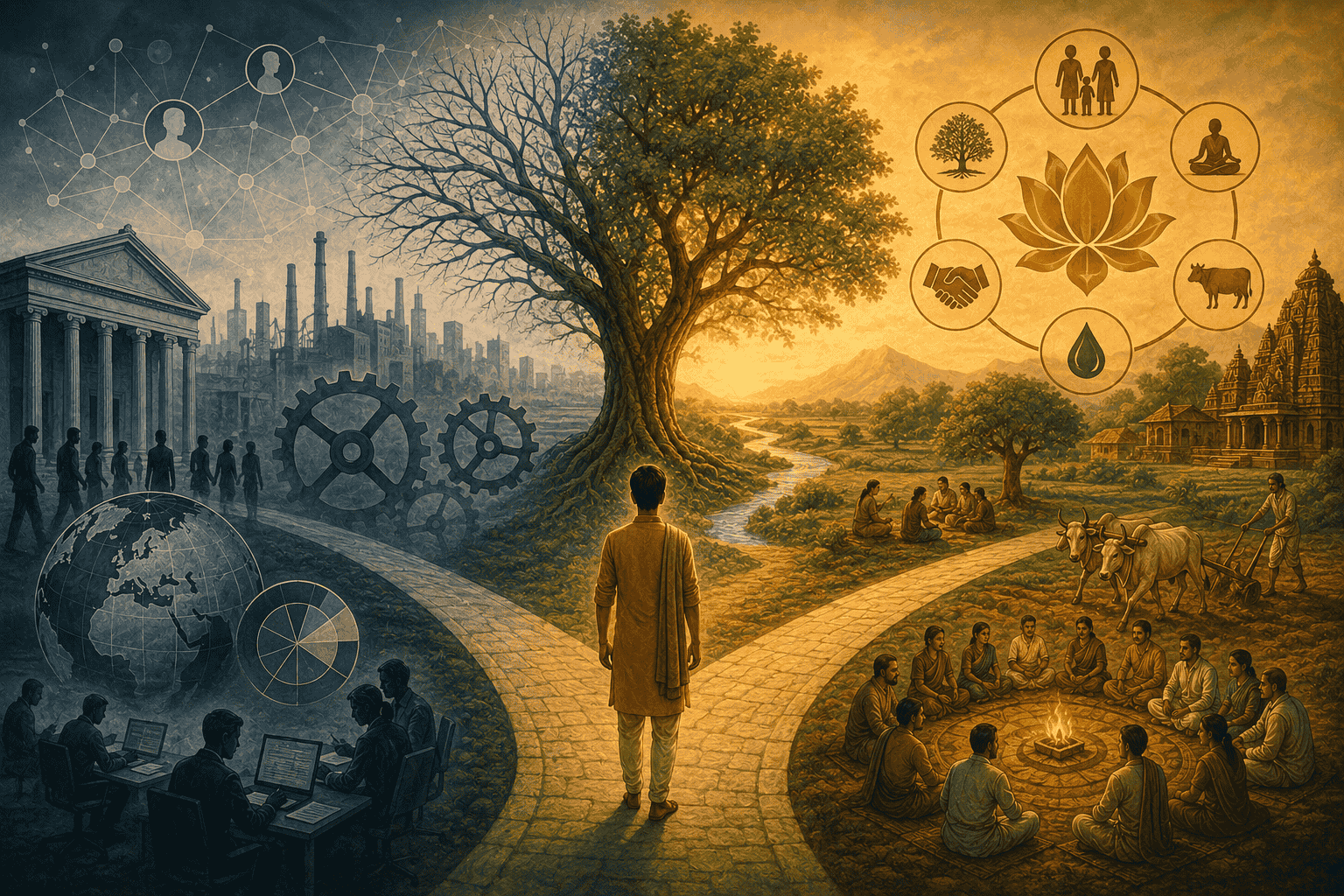
Can India understand itself through concepts like class, race, gender, state, religion and economy alone?…
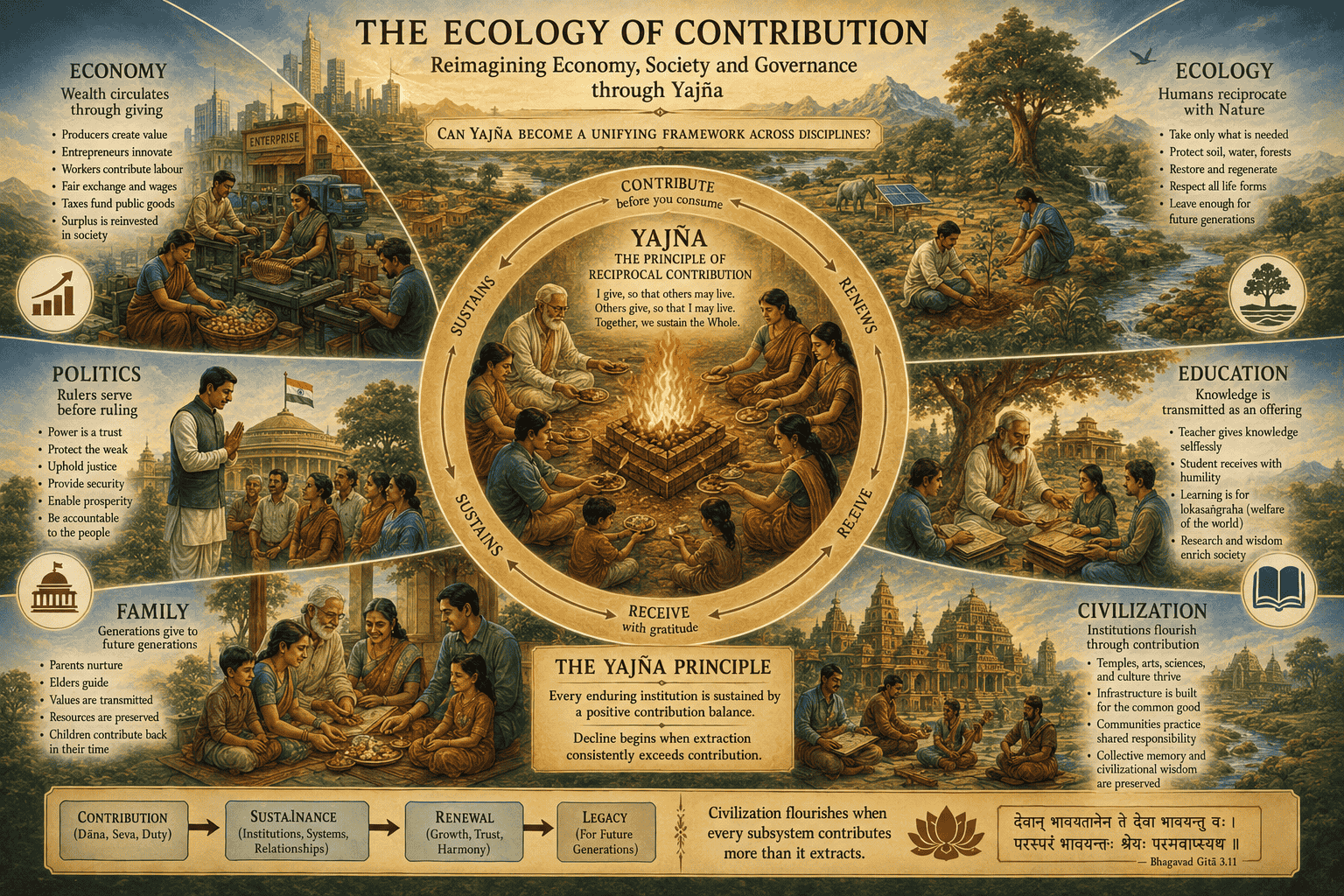
Can Yajña become a unifying framework across disciplines? We have become very good at asking…
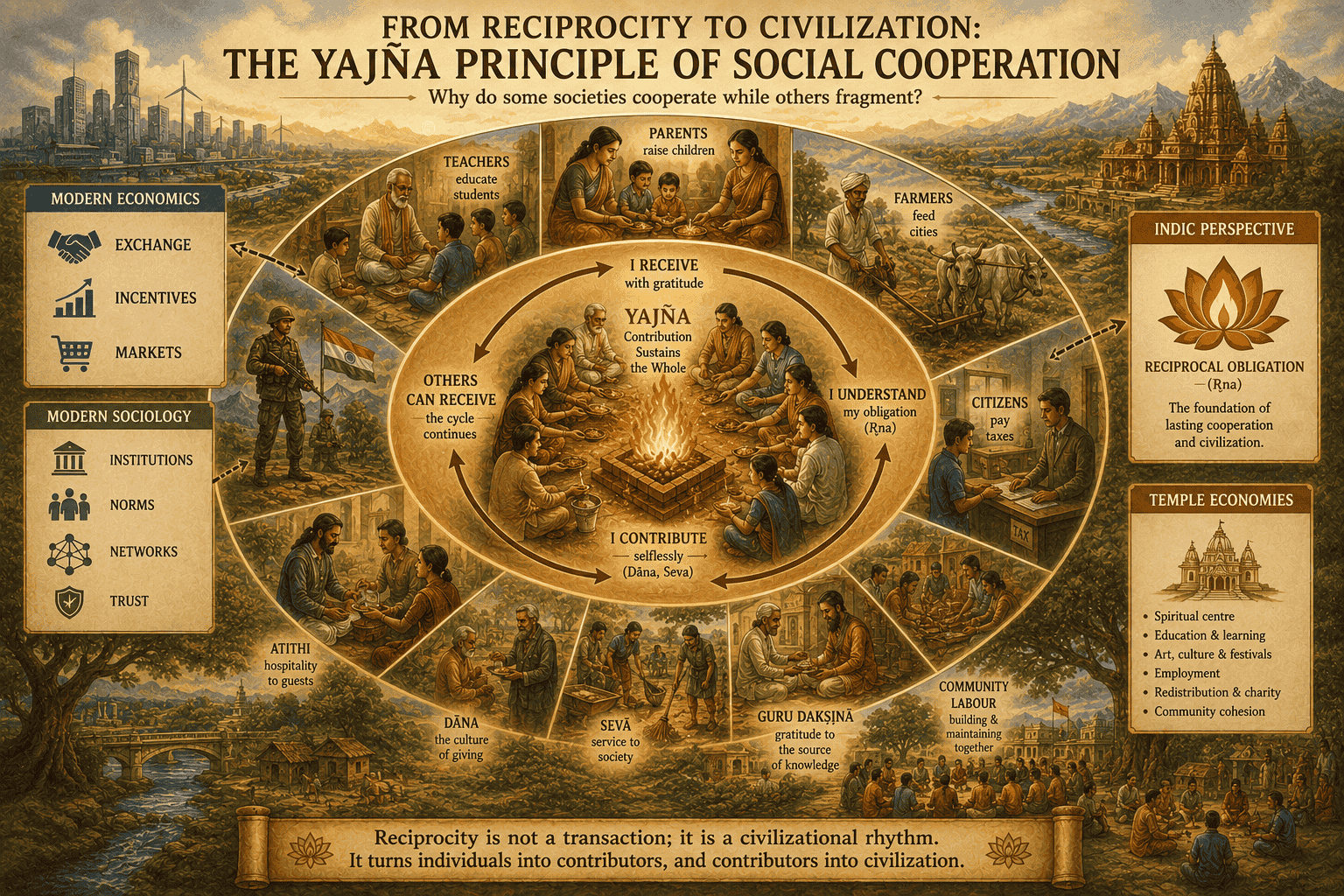
Why do some societies cooperate while others fragment? A market can explain why I exchange…
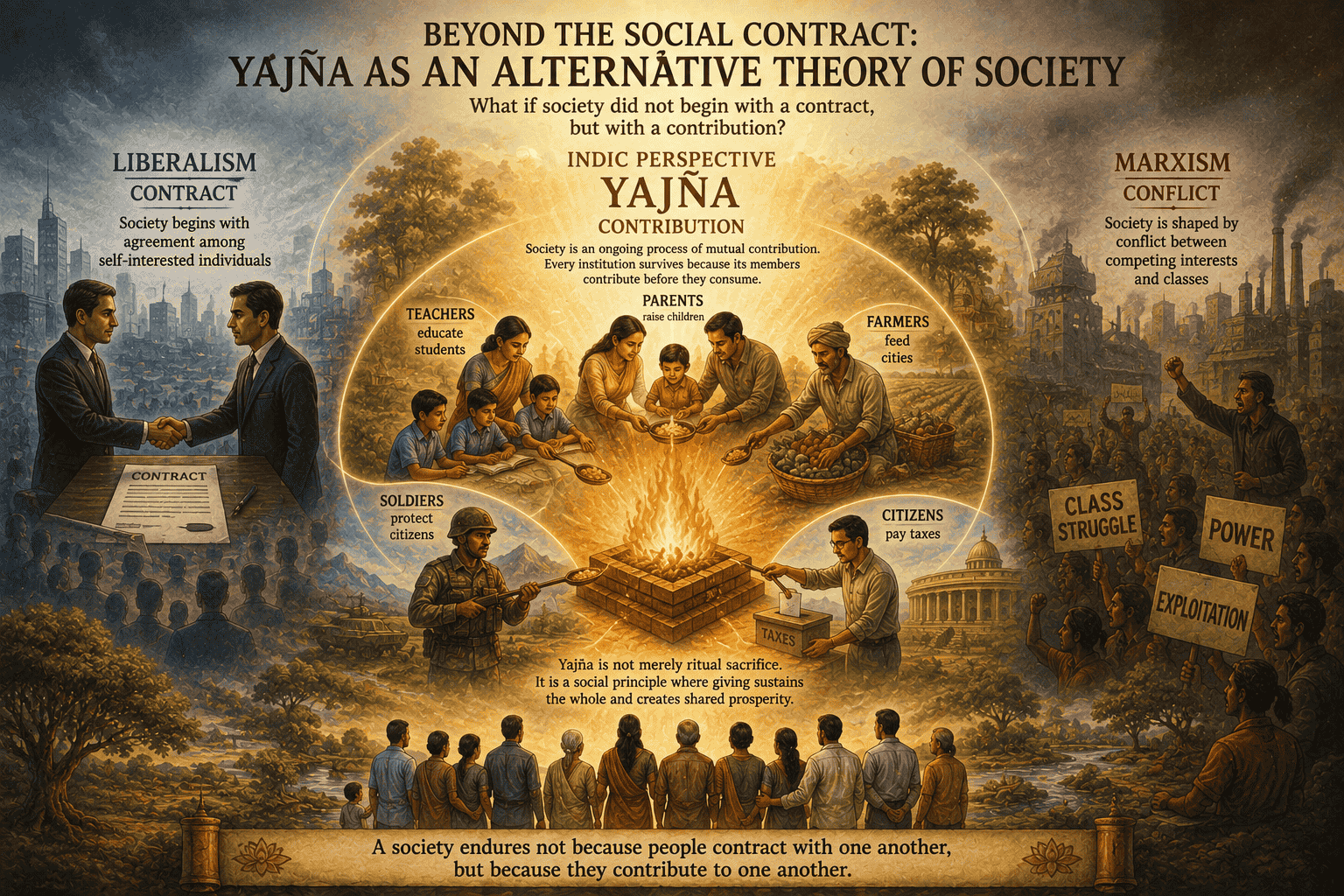
What if society did not begin with a contract, but with a contribution? Much of…
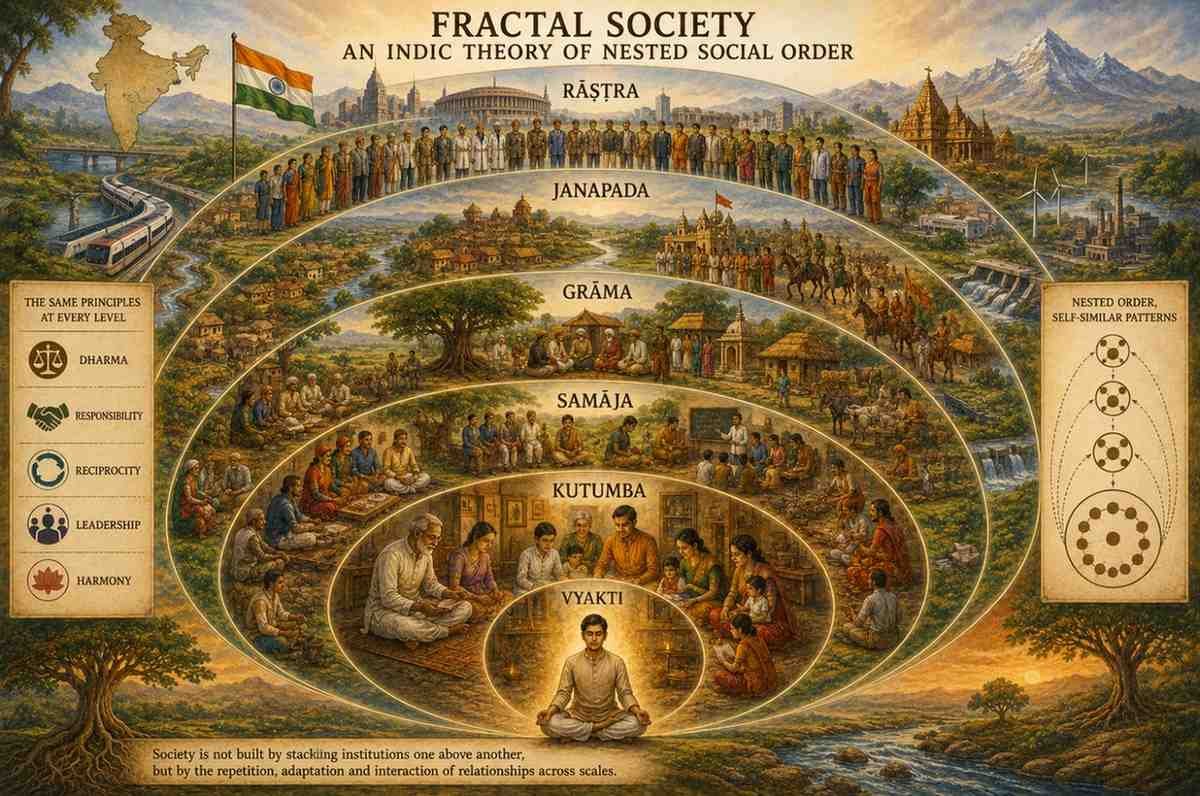
Why do the same social patterns repeat across different scales? What if society is not…
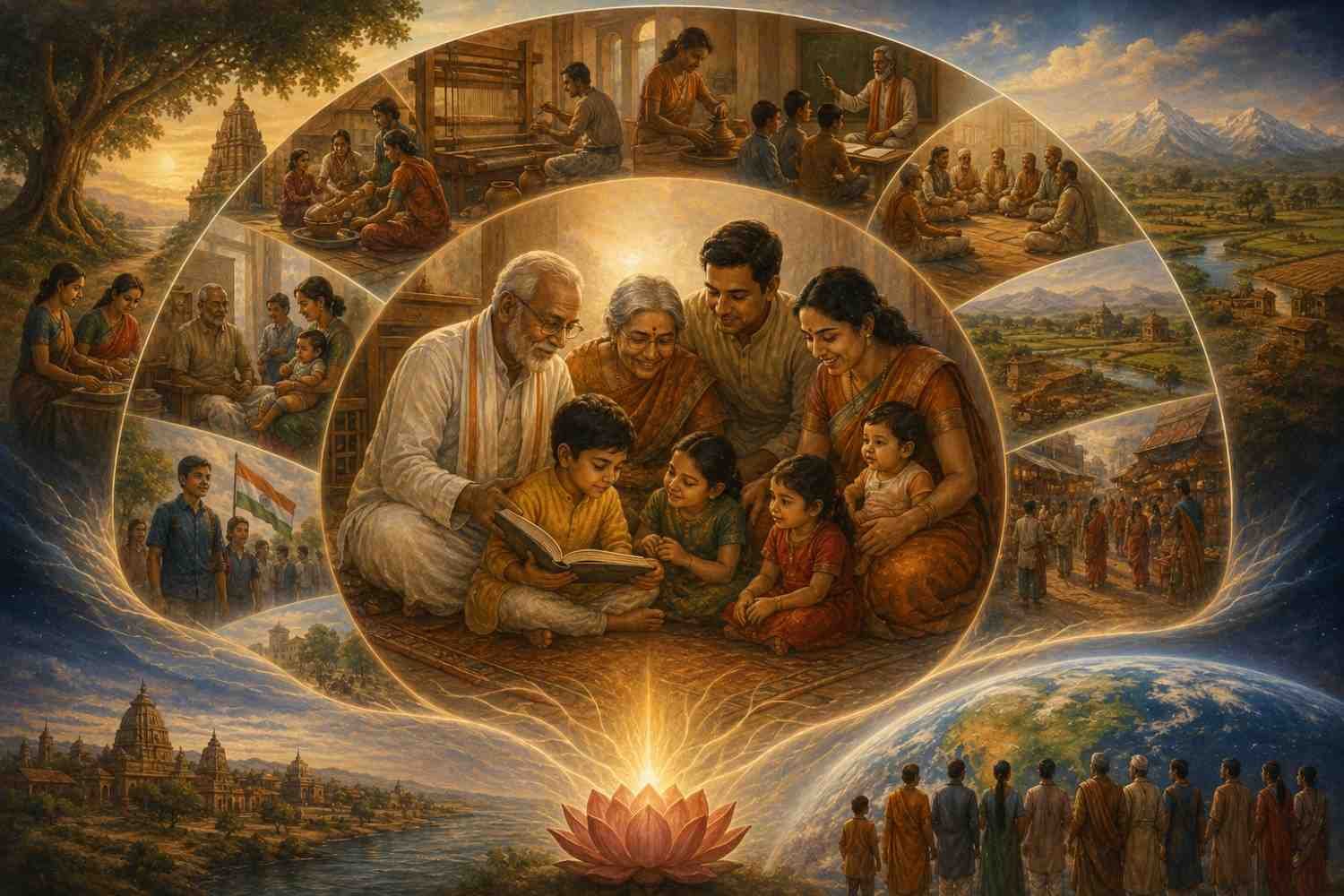
Re-centering the Kutumba in Social Theory Why do we so often speak about the family…
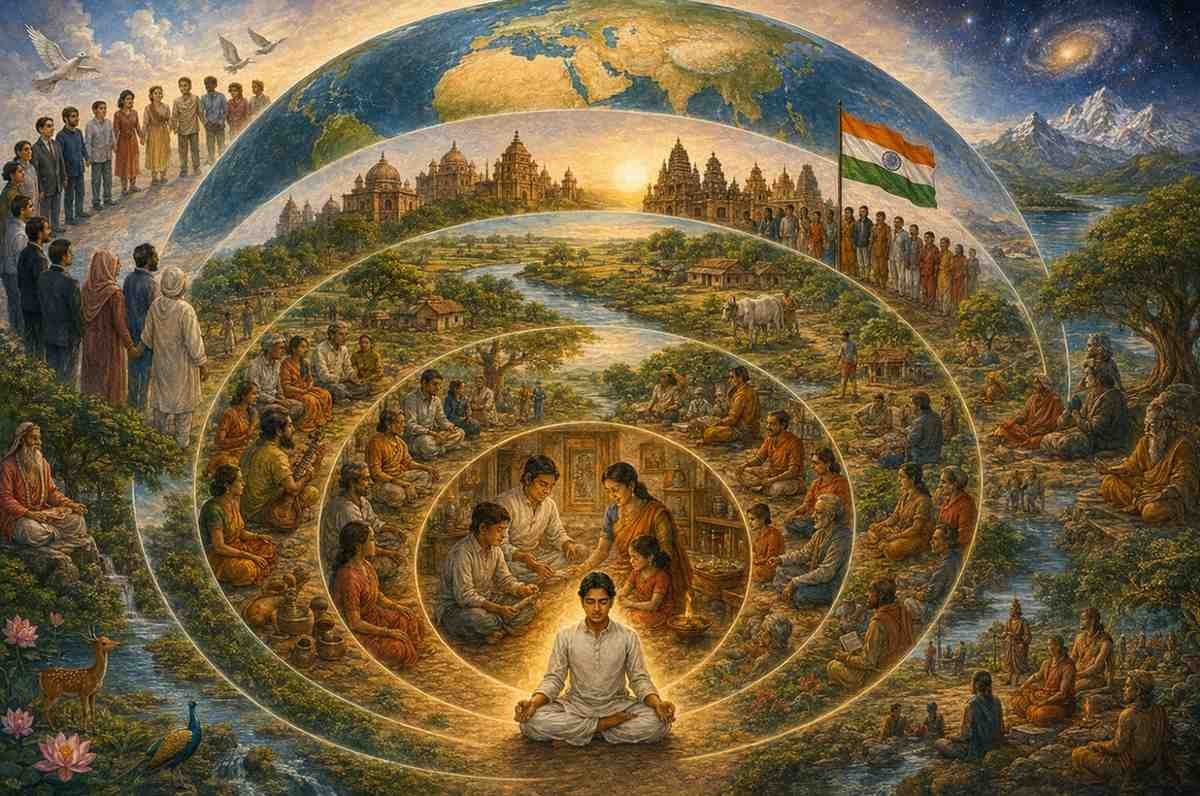
Modern political thought commonly begins with one of two assumptions. The first treats the individual…
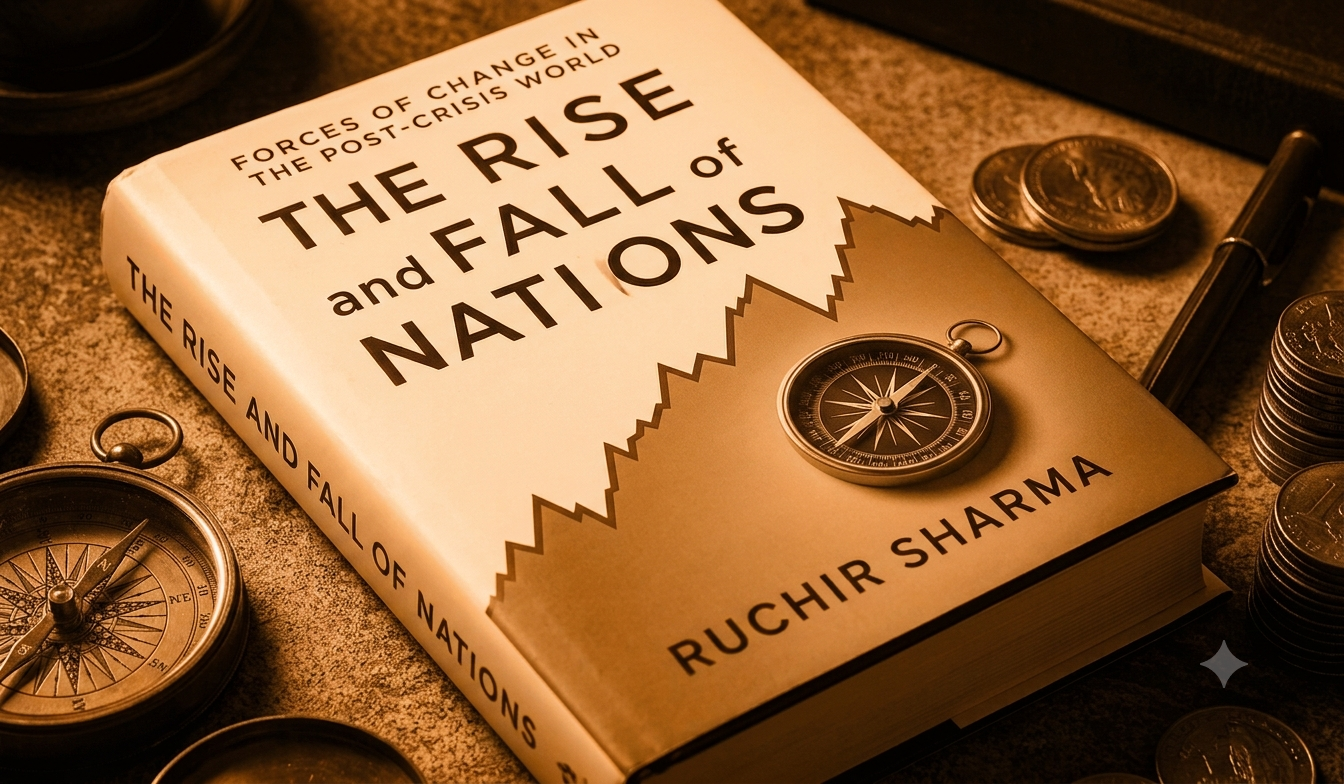
This is a book review of Ruchir Sharma’s ‘The Rise and Fall of Nations’ Economic…
Lorem Ipsum is simply dummy text of the printing and typesetting industry.
Lorem Ipsum is simply dummy text of the printing and typesetting industry.

Lorem Ipsum is simply dummy text of the printing and typesetting industry.

Lorem Ipsum is simply dummy text of the printing and typesetting industry.
Lorem Ipsum is simply dummy text of the printing and typesetting industry. Lorem Ipsum has…
Lorem Ipsum is simply dummy text of the printing and typesetting industry. Lorem Ipsum has…
Lorem Ipsum is simply dummy text of the printing and typesetting industry. Lorem Ipsum has…
Centre for Indic Cultural and Social Studies
Rancharda, Near Shilaj Via Thaltej,
Ahmedabad 382115 Gujarat
Email: socialstudies@indusuni.ac.in
© 2026 | Centre for Indic Cultural & Social Studies | All rights reserved.